
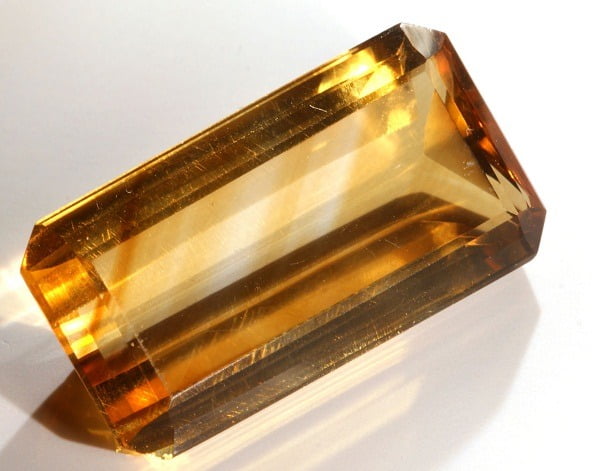
Buying a tourmaline gemstone can be confusing — it comes in more colours than almost any other stone, and quality (and price) varies widely. This buying guide focuses on the practical side: how tourmaline is priced, how to judge quality, how to spot a genuine stone, and how to care for it. (For its astrological benefits as the Mercury stone, see our main tourmaline gemstone guide.)
What Determines Tourmaline’s Price?
Several factors decide the value of a tourmaline gemstone.
Tourmaline Price Factors
| Factor | What Adds Value |
|---|---|
| Colour | Vivid, pure hues (fine pink, green, blue) |
| Clarity | Fewer visible inclusions |
| Cut | Well-proportioned, bright faceting |
| Carat | Larger clean stones cost more per carat |
| Rarity | Rare types like Paraiba command premiums |
In general, a vivid, evenly-coloured, eye-clean tourmaline with a good cut is worth the most, while pale or heavily included stones cost less.
How to Judge Tourmaline Quality
When choosing a tourmaline gemstone, look for a rich, saturated colour that isn’t too dark or too pale, good transparency, and a lively cut that reflects light well. Multicolour stones like watermelon tourmaline are judged on how clean and attractive the colour zoning is. Because tourmaline is naturally included, a few minor inclusions are normal and acceptable.
How to Spot a Genuine Tourmaline
To make sure you’re buying a real tourmaline, always ask for a laboratory certificate confirming it is natural. Genuine tourmaline is durable (around 7–7.5 on the Mohs scale), shows strong pleochroism (different colours from different angles in some stones), and has natural inclusions rather than the round gas bubbles seen in glass imitations. Buying from a trusted, certified seller is the safest way to avoid glass or synthetic fakes.
How to Care for Your Tourmaline
Tourmaline is durable enough for everyday jewellery, but it still deserves care. Clean it gently with mild soap and lukewarm water, avoid harsh chemicals and prolonged ultrasonic cleaning, and store it separately so harder stones don’t scratch it. With simple care, a tourmaline keeps its colour and sparkle for years.
Note: For astrological wearing (finger, day, mantra) and Mercury benefits, refer to our main tourmaline gemstone guide. Gemstone suitability should be confirmed with an astrologer.
Explore More at AstroKapoor
Read the astrological guide in our main tourmaline gemstone page, explore colours in our types of tourmaline guide and watermelon tourmaline, and browse our full Gemstones collection.
Frequently Asked Questions
What determines the price of a tourmaline gemstone?
The price of a tourmaline gemstone depends on its colour, clarity, cut, carat weight and rarity. Vivid, evenly-coloured, eye-clean stones with a good cut are worth the most, while pale or heavily included stones cost less. Rare types like Paraiba tourmaline command premium prices.
How do I judge the quality of tourmaline?
Look for a rich, saturated colour that is neither too dark nor too pale, good transparency, and a lively cut. Because tourmaline naturally contains inclusions, a few minor ones are normal and acceptable. Multicolour stones are judged on how attractive and clean the colour zoning is.
How can I tell if a tourmaline is genuine?
Always ask for a laboratory certificate confirming the stone is natural. Genuine tourmaline is durable (7–7.5 on the Mohs scale), often shows pleochroism, and has natural inclusions rather than the round gas bubbles seen in glass imitations. Buying from a certified seller is the safest option.
How do I care for a tourmaline gemstone?
Clean tourmaline gently with mild soap and lukewarm water, avoid harsh chemicals and prolonged ultrasonic cleaning, and store it separately so harder stones don’t scratch it. With simple care, tourmaline keeps its colour and brilliance for many years.
Is tourmaline worth buying?
Yes. Tourmaline is a durable, beautiful and versatile semi-precious gemstone available in a wide range of colours and price points, making it worth buying for both jewellery and astrological use. Choosing a certified, natural stone ensures good value and authenticity.
