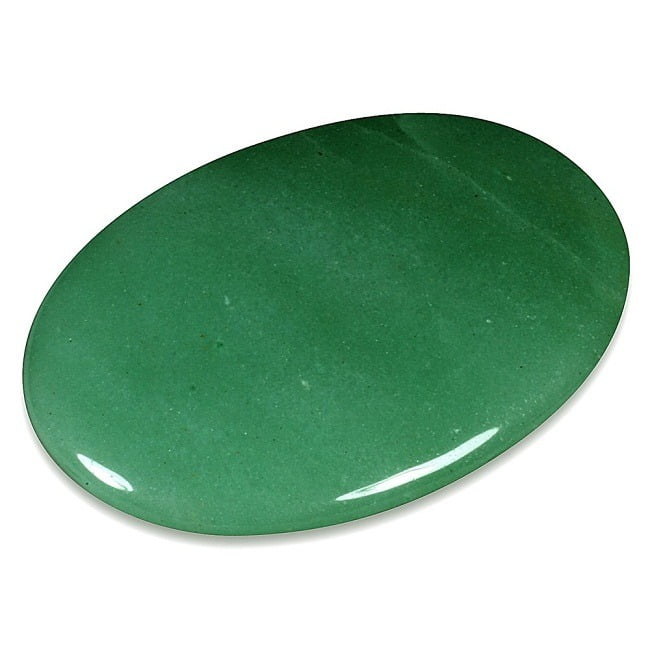
Certified Aventurine Gemstone
Aventurine is a semiprecious gemstone associated with quartz and feldspar varieties. It is commonly found in green, blue, red, brown, and peach colors. It is generally opaque in appearance, often displaying attractive shiny particles or a subtle sparkling effect, and is frequently tumbled or polished.
Aventurine occurs in various parts of the world and is readily available. Italy, Brazil, China, India, Russia, Tibet, and Nepal are among the notable sources associated with Aventurine.
Aventurine Gemstone Properties
Aventurine is a rock composed of more than one type of mineral. It has a specific gravity generally ranging between 2.64 and 2.69. Along with quartz and feldspar components, it can contain minute amounts of minerals such as hematite.
Aventurine containing hematite may display red-brown or gold-brown coloration. It is traditionally known as a stone of luck and is associated with creativity, inspiration, emotional balance, and positive thinking.
Aventurine is traditionally believed to stimulate dreams and psychic awareness. It is also associated with creative inspiration and encouraging individuals to make decisions with greater emotional clarity. Its calming energy is believed to promote a sense of well-being and a positive outlook.
This stone is traditionally regarded as a comforter and supportive gemstone that may help reduce feelings of anxiety, worry, and emotional tension.
Benefits of Aventurine | Healing Properties
Aventurine is traditionally associated with leadership, compassion, empathy, perseverance, mental stability, and clarity. It is believed to stimulate perception and encourage a balanced approach when dealing with challenging situations.
This crystal is traditionally believed to diffuse negative situations and encourage a more positive outlook. Aventurine is also associated with emotional recovery, calming anger and irritation, and promoting inner balance.
Traditionally, Aventurine is believed to absorb electromagnetic smog and provide protection against environmental negativity. It is also associated with balancing masculine and feminine energies and supporting emotional well-being.
In traditional crystal-healing practices, Aventurine is associated with the thymus gland and nervous system. It is also traditionally believed to support healthy metabolism, balanced energy, skin wellness, and overall vitality.
These traditional gemstone and crystal-healing associations should not be considered substitutes for professional medical diagnosis or treatment.
Green Aventurine
Green Aventurine is one of the most popular varieties of Aventurine and is traditionally associated with the heart chakra. It is regarded as a comforting and emotionally balancing stone.
Green Aventurine is traditionally believed to help dissolve negative emotions and encourage calmness, optimism, and emotional recovery. It is also associated with a sense of well-being and inner harmony.
Because of its soothing appearance and traditional heart-healing associations, Green Aventurine is commonly used for meditation, emotional balance, and spiritual practices.
Buying Aventurine and Determining Gemstone Value
When buying Aventurine, factors such as clarity, luster, color, cut, shape, quality, and overall appearance can influence its value and appeal.
Clarity and Luster
Aventurine can range from slightly translucent to opaque. Its luster may appear dull in its natural form and become more vitreous or polished-looking after cutting and finishing.
The presence, distribution, and appearance of natural inclusions can also contribute to the visual character of the stone.
Cut and Shape
Aventurine is commonly cut into cabochons and is also widely used for ornamental and decorative objects. Popular shapes include round, oval, pillar, and heart shapes.
The final cut and polish can highlight the natural color, texture, and reflective particles within the gemstone.
Aventurine Treatment
Natural Aventurine is generally not treated or enhanced in the same way as some other gemstones. However, artificial materials and imitation stones can sometimes be marketed as Aventurine.
Therefore, when purchasing a gemstone, it is advisable to choose a reliable source and certified gemstone to ensure better confidence in its authenticity and quality.
Frequently Asked Questions
What is Aventurine Gemstone?
Aventurine is a semiprecious gemstone associated primarily with quartz and is known for its attractive colors and sparkling inclusions. It is commonly available in green, blue, red, brown, and peach shades.
What are the benefits of Aventurine Gemstone?
Aventurine is traditionally associated with luck, creativity, leadership, emotional balance, confidence, compassion, mental clarity, and positive energy. It is also commonly used in meditation and crystal-healing practices.
What is Green Aventurine used for?
Green Aventurine is traditionally associated with the heart chakra and is believed to support emotional calmness, positivity, compassion, and overall well-being. It is commonly used for meditation and emotional balancing.
How can I determine the value of Aventurine?
The value and appeal of Aventurine can depend on its color, clarity, luster, natural inclusions, cut, shape, quality, and overall finish. High-quality pieces with attractive color and distinctive natural characteristics can be especially desirable.
Is Aventurine a treated gemstone?
Natural Aventurine is generally not treated or enhanced, although imitation materials may exist in the market. For greater confidence in authenticity and quality, it is recommended to purchase Aventurine from a reliable and certified gemstone source.


