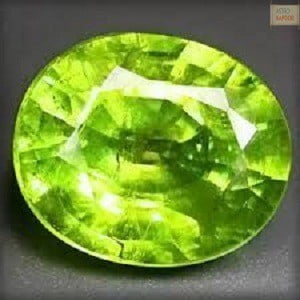
Idocrase Stone, also known as Vesuvianite, is an attractive and relatively uncommon gemstone valued for its beautiful green shades, interesting crystal structure and spiritual symbolism. It is most commonly seen in green, yellow-green and brown-green colours, although rare specimens can occur in blue, pink, purple, red, yellow, colourless and other shades.
Idocrase is especially popular among gemstone collectors and people interested in crystals for meditation, emotional balance, personal growth and positive energy.
What Is Idocrase Stone?
Idocrase and Vesuvianite are two names for the same mineral. The name Vesuvianite comes from Mount Vesuvius in Italy, where notable crystals were identified during the eighteenth century.
The name Idocrase originated from Greek words referring to a “mixed form”, describing the varied crystal forms displayed by the mineral.
Gemologists often use the name Idocrase when discussing gemstone-quality material, while Vesuvianite is more commonly used as the mineral name.
Idocrase Stone Meaning
In modern crystal and metaphysical traditions, Idocrase meaning is strongly connected with personal growth, emotional balance, confidence and moving beyond restrictive patterns.
It is traditionally considered a gemstone that encourages a person to release unproductive thoughts, become more open to change and approach new opportunities with greater confidence.
For this reason, Vesuvianite is often selected by people interested in meditation, self-development and spiritual practices.
Idocrase Stone Benefits
According to traditional crystal beliefs, Idocrase Stone benefits are associated with emotional clarity, positivity and personal transformation.
Idocrase is traditionally believed to support:
- Emotional balance
- Positive thinking
- Confidence and determination
- Personal growth
- Creativity and self-expression
- Letting go of anger and restrictive thoughts
- Greater openness to new opportunities
- Motivation during periods of stagnation
- Meditation and spiritual awareness
- A greater sense of inner stability
These are traditional metaphysical and spiritual associations rather than scientifically established medical benefits.
Vesuvianite Benefits for Emotional Balance
One of the most commonly discussed Vesuvianite benefits is its symbolic connection with emotional release.
In crystal traditions, the stone is associated with letting go of suppressed anger, fear and repetitive emotional patterns. It may therefore be used during meditation or mindfulness practices focused on emotional awareness and positive change.
Rather than treating a medical or psychological condition, Idocrase can be viewed as a symbolic aid for intention setting and personal reflection.
Idocrase and the Heart Chakra
Idocrase is commonly associated with the Heart Chakra in modern crystal traditions, particularly green varieties.
The Heart Chakra, or Anahata Chakra, is traditionally connected with compassion, emotional openness, relationships and inner harmony.
An Idocrase crystal may therefore be used during Heart Chakra meditation or other spiritual practices centred on forgiveness, emotional balance and positive relationships.
Idocrase for Meditation
Idocrase can be incorporated into meditation, mindfulness and intention-setting practices.
People interested in crystal meditation may hold an Idocrase stone, keep it nearby or wear it as jewellery while focusing on intentions such as:
- Personal growth
- Confidence
- Emotional balance
- Creativity
- New beginnings
- Releasing negative thought patterns
- Greater openness to change
Its spiritual significance depends on personal beliefs and practices.
Idocrase Stone Properties
Idocrase belongs to the silicate mineral group and usually forms through metamorphic processes involving carbonate-rich rocks such as limestone and marble.
Its important gemological properties include:
Mineral Name: Vesuvianite
Gemstone Name: Idocrase / Vesuvianite
Mineral Group: Silicate
Crystal System: Tetragonal
Mohs Hardness: Approximately 6.5
Specific Gravity: Approximately 3.3–3.5
Common Colours: Green, yellow-green and brown-green
Other Colours: Blue, yellow, pink, purple, red, white, colourless and black
Lustre: Usually vitreous to greasy
Transparency: Opaque to translucent, with rare transparent material
Idocrase Stone Colour
Green Idocrase is one of the best-known varieties and can sometimes resemble jade or peridot.
However, Vesuvianite occurs in several other colours. A rare blue variety is known as Cyprine, while massive green material from California has sometimes been called Californite.
Because appearance can overlap with other gemstones, professional gemological testing is useful when authenticity is important.
Where Is Idocrase Found?
Although Vesuvianite was named after Mount Vesuvius in Italy, it is not found only in Italy.
Gem-quality material has been reported from locations including:
- Italy
- Canada
- Kenya
- Tanzania
- Switzerland
- United States
- Russia
Different deposits can produce different colours, clarity levels and appearances.
Idocrase Jewellery
Gem-quality Idocrase can be fashioned into:
- Pendants
- Earrings
- Rings
- Cabochons
- Beads
- Carvings
- Collector gemstones
Because Idocrase has a hardness of around 6.5 and can be brittle, jewellery should be protected from hard knocks, abrasion and rough handling.
Pendants and earrings are particularly practical options because they usually experience less impact than rings or bracelets.
How to Care for Idocrase Stone
To keep an Idocrase gemstone in good condition:
- Keep it away from hard impacts.
- Avoid abrasive cleaning.
- Store it separately from harder gemstones.
- Clean gently using a soft cloth.
- Keep jewellery settings free from accumulated dirt.
- Protect polished surfaces from scratches.
For valuable stones, professional gemstone identification and cleaning are preferable.
Who May Consider Idocrase?
Idocrase may appeal to:
- Gemstone collectors
- Crystal enthusiasts
- Meditation practitioners
- People interested in Heart Chakra practices
- Collectors of unusual green gemstones
- People interested in Vesuvianite jewellery
- Those exploring crystals associated with personal growth and emotional balance
Anyone purchasing Idocrase specifically for astrological purposes should obtain personalised guidance rather than relying on universal wearing rules.
Why Is Idocrase Also Called Vesuvianite?
The two names originated independently.
Vesuvianite was named after Mount Vesuvius, where important specimens were discovered. Idocrase was introduced shortly afterward and comes from Greek terminology referring to the mineral’s mixed crystal forms.
Today, both names remain in use, making it useful to search for both Idocrase gemstone and Vesuvianite gemstone when researching the stone.
Frequently Asked Questions About Idocrase
What is Idocrase Stone?
Idocrase is a gemstone variety of the mineral commonly known as Vesuvianite. It is a silicate mineral that occurs most frequently in green, yellow-green and brown shades.
Is Idocrase the same as Vesuvianite?
Yes. Idocrase and Vesuvianite refer to the same mineral. Vesuvianite is commonly used as the mineralogical name, while Idocrase is often used in gemstone terminology.
What are the benefits of Idocrase Stone?
In crystal traditions, Idocrase is associated with emotional balance, personal growth, confidence, creativity, positive thinking and releasing restrictive emotional patterns. These are traditional spiritual beliefs rather than scientifically proven health effects.
Which chakra is Idocrase associated with?
Green Idocrase is commonly associated in crystal traditions with the Heart Chakra, representing compassion, emotional openness and harmony.
What colour is Idocrase?
Idocrase is most commonly green, yellow-green or brown-green. It may also occur in yellow, blue, pink, purple, red, white, colourless and black varieties.
Where was Idocrase discovered?
Vesuvianite was named after Mount Vesuvius in Italy, where notable crystals were found. The mineral has since been identified in numerous countries worldwide.
Is Idocrase a birthstone?
Idocrase is not generally recognised as one of the traditional modern birthstones. Some metaphysical systems associate Vesuvianite with particular zodiac signs, but these associations vary between traditions.
Is Idocrase good for jewellery?
Yes. Attractive Idocrase can be cut into cabochons, faceted gemstones, beads and carvings. With a Mohs hardness of around 6.5, it should be protected against scratching and strong impacts.


