Waiting Time: 22-25 Working Days. Book an astrology consultation for Cataract Treatment in Medical Astrology. (Earlier Appointment depends on the availability of Slots). Consultation will be given through an audio call.
Cataract Cure Through Medical Astrology & Ayurveda | Holistic Eye Health Guide
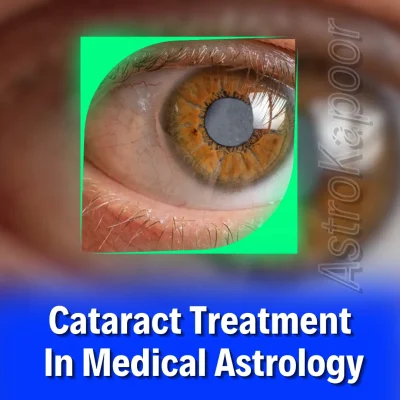
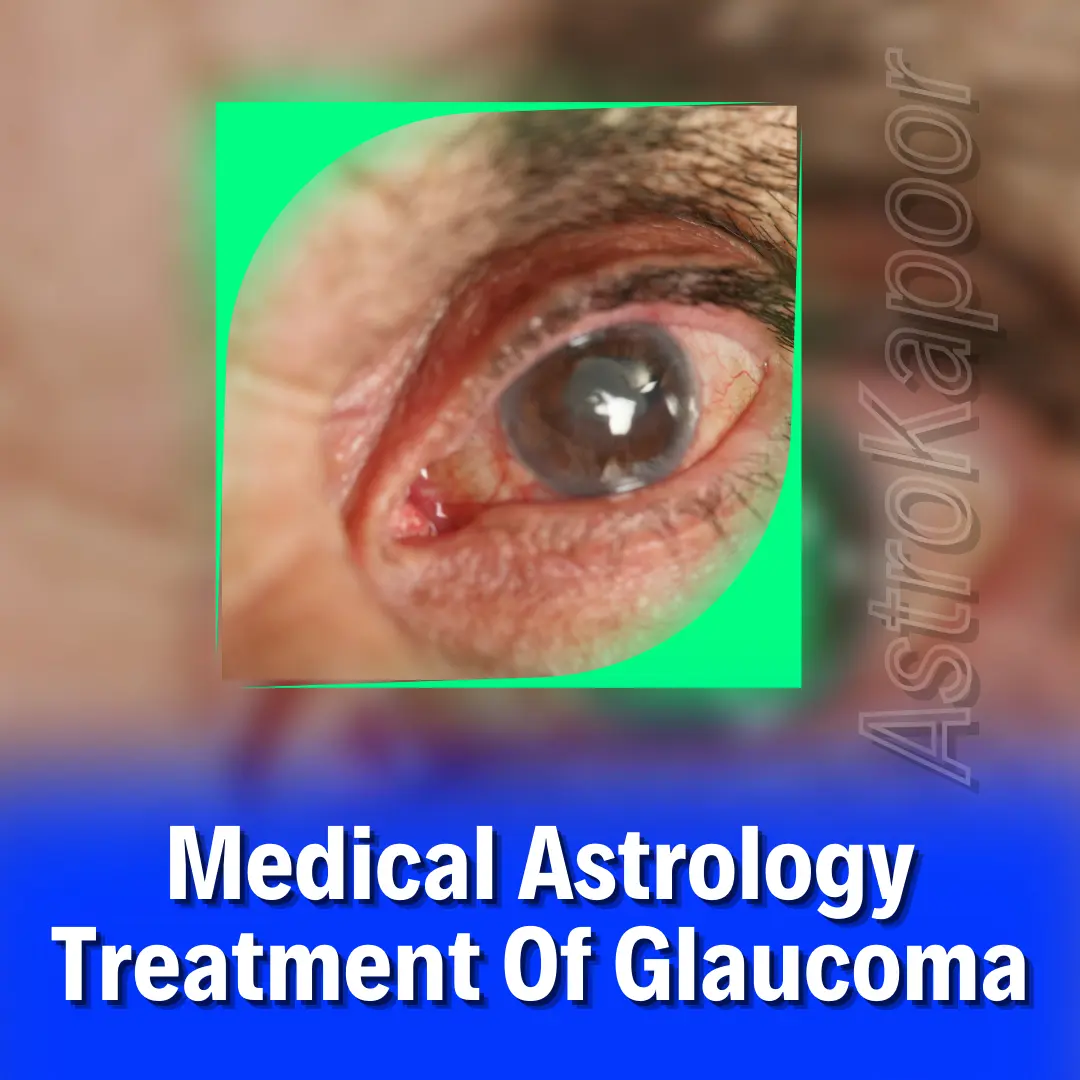
A cataract is one of the most common eye disorders affecting millions of people worldwide. It develops when the natural lens of the eye becomes cloudy, leading to blurred vision, cloudy vision, glare, difficulty seeing at night, and gradual vision loss. Cataracts are most commonly associated with ageing, although they can also occur due to diabetes, eye injuries, prolonged exposure to ultraviolet (UV) light, genetics, or certain medications.
Modern medicine treats cataracts primarily through cataract surgery, where the cloudy lens is removed and replaced with an artificial intraocular lens (IOL). Alongside conventional medical care, some individuals also explore complementary practices such as Ayurveda and Medical Astrology for additional spiritual guidance, lifestyle recommendations, and holistic wellness.
Prashant Kapoor offers personalized Medical Astrology consultations, combining traditional Vedic Astrology with holistic wellness principles to help individuals understand health tendencies from an astrological perspective. These services are intended to complement—not replace—professional eye care.
What Is a Cataract?
A cataract occurs when proteins within the eye's natural lens break down and clump together, causing the lens to become cloudy. As the cataract progresses, it may interfere with normal vision and everyday activities such as reading, driving, or recognizing faces.
There are several types of cataracts, including:
Nuclear Cataract
Develops in the centre of the lens and is most commonly associated with ageing.
Cortical Cataract
Appears as wedge-shaped cloudy areas around the outer edge of the lens that gradually move toward the centre.
Posterior Subcapsular Cataract
Forms at the back of the lens and may develop more quickly. It is more common in people with diabetes or those using long-term steroid medications.
Congenital Cataract
Present at birth or develops during childhood due to genetic or developmental factors.
Cataract Symptoms
Recognizing early signs of cataracts is important for timely medical evaluation.
Common cataract symptoms include:
- Blurred or cloudy vision
- Difficulty seeing at night
- Increased sensitivity to sunlight and glare
- Halos around lights
- Frequent changes in eyeglass prescription
- Faded or yellowish colours
- Double vision in one eye
- Difficulty reading small text
Anyone experiencing these symptoms should consult an ophthalmologist for a comprehensive eye examination.
Cataract Causes and Risk Factors
Several factors may contribute to cataract development, including:
- Ageing
- Long-term UV exposure
- Diabetes
- Smoking
- Long-term corticosteroid use
- Eye injury or trauma
- Previous eye surgery
- Family history
- High blood pressure
- Obesity
- Poor nutrition
Understanding these cataract causes can help people make informed lifestyle choices that support long-term eye health.
Cataract Diagnosis
A cataract is diagnosed through a comprehensive eye examination performed by an ophthalmologist. Diagnostic tests may include:
- Visual acuity testing
- Slit-lamp examination
- Retinal examination
- Eye pressure measurement
- Dilated eye examination
Early diagnosis allows doctors to monitor cataract progression and determine the appropriate timing for treatment.
Cataract Treatment Options
The most effective cataract treatment in modern medicine is cataract surgery, also known as a cataract operation, during which the cloudy natural lens is replaced with an artificial intraocular lens.
Depending on the individual's condition, doctors may recommend:
- Regular eye examinations
- Updated prescription glasses
- Lifestyle modifications
- Cataract surgery when vision significantly affects daily life
Many people also explore complementary approaches such as Ayurveda and Medical Astrology to support overall well-being alongside conventional medical treatment.
Cataract in Medical Astrology
Medical Astrology is a traditional branch of Vedic Astrology that examines planetary influences on different areas of health.
According to traditional astrological principles, eye health is commonly associated with:
Mercury
Mercury is traditionally linked with the nervous system, perception, and visual coordination. Challenging Mercury placements, particularly involving the 2nd or 12th houses, are believed by practitioners to indicate susceptibility to eye-related issues.
Sun
The Sun represents vitality and eyesight in many classical astrological texts. Weak or afflicted solar influences may be examined during Medical Astrology consultations.
Venus
Venus is traditionally connected with beauty, vision, and sensory perception. Its condition in the birth chart is often evaluated for eye health.
Saturn and Mars
Malefic influences from Saturn or Mars on houses associated with eyesight are traditionally interpreted as possible indicators of chronic eye conditions.
Rahu and Ketu
Some Medical Astrology traditions associate Rahu and Ketu with unusual or chronic eye disorders, including cataracts.
Astrological analysis is individualized and is not intended to diagnose medical conditions.
Ayurveda and Holistic Support for Cataracts
Ayurveda emphasizes maintaining balance within the body and supporting long-term eye health through lifestyle, nutrition, and herbal practices.
Traditional Ayurvedic approaches may include:
- Triphala
- Maha Triphala
- Chandrodaya Vati
- Eye-friendly nutrition
- Stress management
- Adequate sleep
- Yoga and Pranayama
- Protection from excessive sunlight
- Daily routines that promote eye wellness
Any Ayurvedic herbs or supplements should only be used under the supervision of a qualified Ayurvedic practitioner.
Medical Astrology Remedies for Eye Health
Following an individualized birth chart analysis, traditional Medical Astrology may recommend remedies such as:
- Mahamrityunjaya Mantra
- Surya Gayatri Mantra
- Navgraha Puja
- Personalized gemstone recommendations such as Emerald (only after chart analysis)
- Charitable donations as prescribed in Vedic traditions
- Meditation and mindfulness practices
- Lifestyle recommendations based on planetary periods (Mahadasha and Antardasha)
These remedies are personalized and should not be generalized without a detailed horoscope analysis.
Why Choose a Personalized Medical Astrology Consultation?
Every individual's birth chart is unique.
During a consultation, Prashant Kapoor evaluates:
- Birth chart (Janma Kundli)
- Planetary combinations related to eye health
- Mahadasha and Antardasha
- Planetary transits
- Strength of benefic and malefic planets
- Traditional Vedic remedial measures
The purpose is to provide personalized spiritual guidance and traditional astrological insights that complement ongoing medical care.
Frequently Asked Questions
Q - What is a cataract?
A cataract is a clouding of the eye's natural lens that causes blurred vision and gradually reduces eyesight.
Q - What causes cataracts?
Ageing is the most common cause, although diabetes, UV exposure, smoking, genetics, steroid medications, and eye injuries can also contribute.
Q - Is cataract surgery the only treatment?
Currently, cataract surgery is the only proven medical treatment that removes a cataract once it significantly affects vision.
Q - Can Ayurveda help cataracts?
Ayurveda focuses on supporting overall eye health, nutrition, and lifestyle. It should be viewed as a complementary approach rather than a replacement for medical treatment.
Q - Can Medical Astrology predict eye diseases?
Medical Astrology practitioners believe certain planetary combinations may indicate health tendencies. These interpretations are traditional beliefs and are not medical diagnoses.
Q - Which planets are associated with eyesight?
Traditional Vedic Astrology commonly associates the Sun, Mercury, Venus, Rahu, Ketu, and Saturn with various aspects of eye health.