Narayan Bali Yagya — Pitra Dosh Nivaran & Peace for Departed Souls
Narayan Bali Yagya is a sacred Vedic ceremony performed to bring peace to a departed soul and to provide relief from Pitra Dosh (ancestral karmic influences) in the family's horoscope. It is especially performed in cases of unnatural or premature death, and to help the deceased soul progress on its journey toward liberation (moksha). At AstroKapoor, this ritual is performed with dignity and authenticity by expert Pandits and Aacharyas under the guidance of Astrologer Prashant Kapoor.
Narayan Bali is a traditional ancestral ritual that combines spiritual prayers, offerings, mantras, and sacred fire rituals. The exact procedure and muhurat can be determined according to the family's circumstances and traditional Vedic guidance.
What is Narayan Bali Yagya?
Narayan Bali Yagya is a sacred ceremony performed for a departed blood relative to aid the soul's journey toward peace and liberation. It is considered highly effective in helping the departed soul attain spiritual evolution and in resolving the ancestral karmic imbalances (Pitra Dosh) that can affect the living family.
The Narayan Bali Puja is traditionally performed with specific Vedic mantras and offerings dedicated to Lord Vishnu (Narayan). Families may seek this ritual when they believe unresolved ancestral matters require traditional spiritual remedies.
For personalized horoscope-based guidance regarding ancestral influences, families can consider a vedic astrology consultation.
What is Pitra Dosh?
Pitra Dosh is an ancestral karmic influence that appears in the birth chart when there are unresolved matters relating to ancestors (pitru) — often connected to the Sun and Rahu, and the 9th house (father/ancestors). It is traditionally believed to create obstacles for the family until the ancestors are honoured and appeased through rituals like Narayan Bali, Tripindi Shradh, and Pind Daan.
A personalized astrology consultation can help examine the birth chart and identify traditional astrological factors associated with Pitra Dosh before selecting an appropriate ritual.
Common Signs (Lakshan) of Pitra Dosh
- Repeated obstacles in career, finances, or growth despite hard work.
- Delays or difficulties in marriage or childbirth (santan badha).
- Recurring family disputes or lack of peace at home.
- Unexplained, persistent health issues in the family.
- Feeling "stuck" or facing repeated setbacks across generations.
(These are traditional astrological indicators; a Vedic astrologer confirms Pitra Dosh by analysing the birth chart.)
Pitra Dosh is traditionally assessed through the complete horoscope rather than through a single planetary placement. The Sun, Rahu, 9th house, their associations, and other relevant chart factors may be considered during the analysis.
Who Can Perform Narayan Bali Yagya?
This Yagya can be performed by anyone for the benefit of a departed relative. Traditionally, one exception is observed: a man does not perform this Yagya for his in-laws. The astrologer guides the eligible family member through the proper procedure.
The appropriate family member, ritual requirements, and procedure may vary according to traditional customs. Therefore, it is advisable to seek guidance before arranging the ceremony.
Significance & Benefits of Narayan Bali Yagya
- Helps the departed soul attain peace and liberation (moksha).
- Provides relief from Pitra Dosh and unresolved ancestral karma.
- Removes obstacles believed to arise from ancestral karmic imbalance.
- Restores harmony, health, and prosperity for the family.
- Honours the ancestors — considered a sacred duty (pitru rin).
- Provides a traditional spiritual method for addressing ancestral concerns.
- Helps the family perform important ancestral rites with proper Vedic procedures.
These benefits are understood within the traditional spiritual and Vedic astrology framework.
Narayan Bali vs Nagbali — What's the Difference?
| Ritual | Performed For |
|---|
| Narayan Bali | Peace of a departed soul, especially in cases of unnatural/premature death, and Pitra Dosh relief |
| Nagbali | To atone for the killing of a serpent (Sarpa/Nag Dosh) and related ancestral karma |
The two are often performed together as Narayan Nagbali for complete Pitra Dosh nivaran, traditionally at sacred sites such as Trimbakeshwar (Nashik), over a multi-day vidhi.
Narayan Bali primarily focuses on the spiritual peace of the departed soul and ancestral concerns, while Nagbali is traditionally associated with Sarpa or Nag Dosh. When both are considered necessary, they may be performed together according to traditional Vedic procedures.
Narayan Bali Vidhi (Procedure)
- Invocation of Lord Vishnu — prayers are offered to Lord Vishnu (Narayan) for the departed soul.
- Offerings to the deceased — symbolic offerings are made to appease and honour the soul.
- Pind Daan — rice balls (pind) are offered to help the soul's transition to the afterlife.
- Chanting of Vedic mantras — special mantras recited to cleanse negative karmic influences.
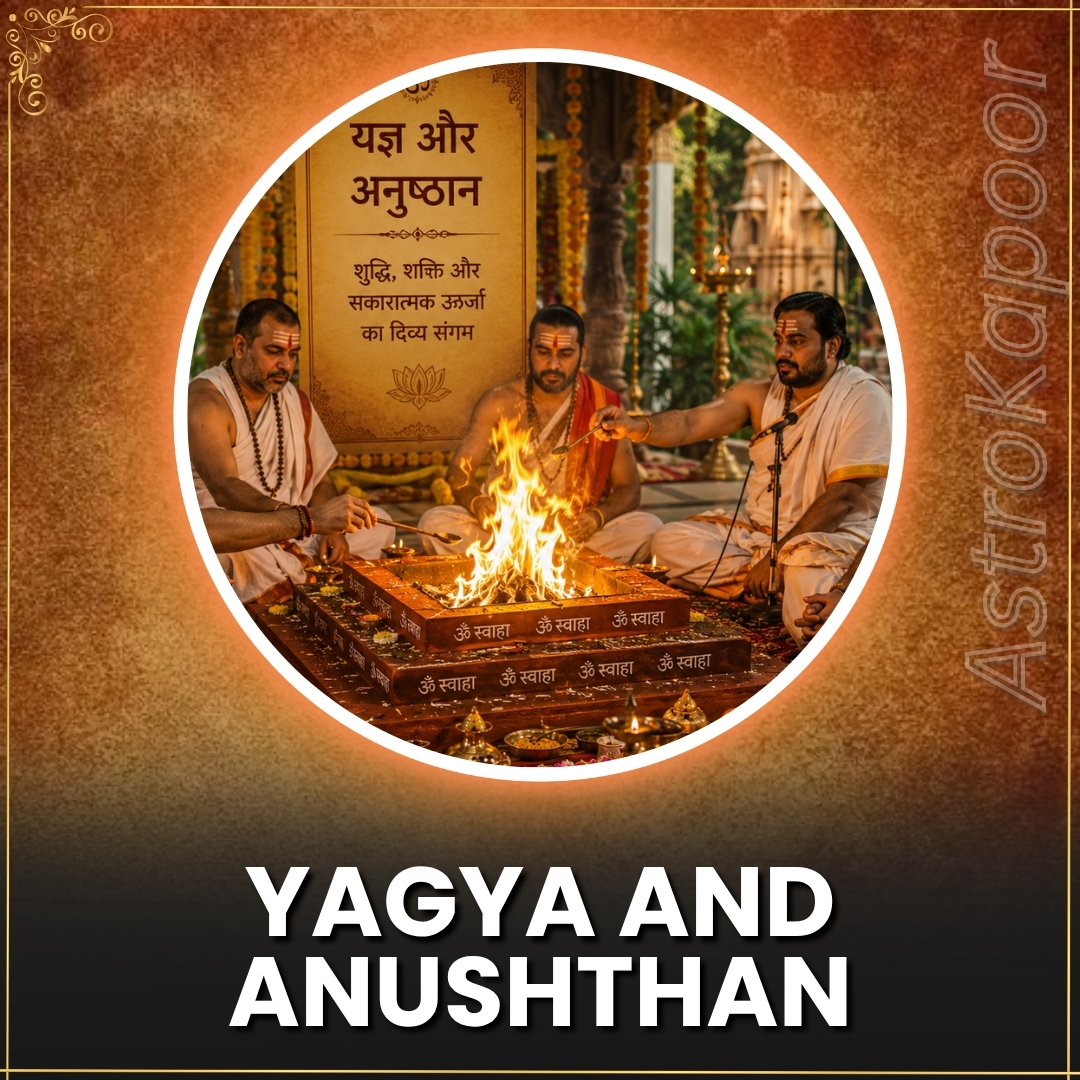
- Homam (fire ritual) — the sacred fire ceremony invokes divine energies for peace and liberation.
The complete vidhi (especially Narayan Nagbali) is often performed over three days, on a muhurat fixed by the astrologer.
The exact Narayan Bali Vidhi may depend on the family tradition, purpose of the ceremony, location, and guidance of the Pandits performing the ritual.
When is Narayan Bali Performed?
- On an auspicious muhurat fixed from the panchang (certain tithis are preferred).
- During Pitru Paksha (the fortnight dedicated to ancestors) and on Amavasya — considered especially effective for ancestral rituals.
The suitable date and timing can be confirmed according to the panchang and traditional Vedic practices. Families should follow the guidance of experienced Pandits or Aacharyas when planning the ceremony.
Horoscope-Based Guidance for Pitra Dosh
A birth chart may be examined to understand traditional astrological indications related to ancestors, the Sun, Rahu, and the 9th house. The assessment can help determine whether a Pitra Dosh remedy or ancestral ritual is traditionally considered appropriate.
AstroKapoor provides vedic astrology consultation for personalized horoscope analysis and traditional Vedic guidance.
AstroKapoor also offers specialized services for different areas of life, including corporate astrology and stock market astrology. For financial matters, clients can explore Financial Astrology Consultation.
For personal relationships and family-related astrological guidance, Love and Relationship Astrology is also available.
For traditional horoscope-based perspectives related to health and planetary influences, a medical astrologer can provide complementary astrological guidance. Such guidance should not replace professional medical diagnosis or treatment.
Why Choose AstroKapoor?
- Performed with dignity by experienced Vedic Pandits and Aacharyas.
- Guided by renowned astrologer Prashant Kapoor.
- Authentic rituals as per Vedic tradition.
- Guidance on the correct vidhi, muhurat, and eligibility.
- Personalized guidance based on relevant horoscope factors.
- Traditional Vedic procedures performed with appropriate mantras and offerings.
Book a Narayan Bali Yagya
To honour a departed loved one and seek relief from Pitra Dosh, contact AstroKapoor for guidance and the auspicious muhurat.
Book Narayan Bali Yagya →
Related: our Ketu Yagya → Kaal Sarp Dosh section covers another Rahu-Ketu axis remedy often examined alongside Pitra Dosh.
"Performing the Narayan Bali Yagya is a sacred duty toward one's ancestors — ensuring their peace and securing blessings for the living."
Frequently Asked Questions
1. What is Narayan Bali Yagya?
Narayan Bali Yagya is a sacred Vedic ritual performed to honor and offer prayers for a deceased family member. It is traditionally performed to support the spiritual journey of the departed soul and seek peace, liberation, and blessings for the family.
2. When is Narayan Bali Yagya performed?
Narayan Bali Yagya is generally performed after the death of a blood relative, especially in situations involving unresolved ancestral matters, untimely death, or when astrological analysis indicates ancestral-related concerns such as Pitru Dosha.
3. How is Narayan Bali Yagya performed?
The ritual is performed through a series of Vedic procedures, including the invocation of Lord Vishnu, symbolic offerings to the departed soul, Pind Daan, chanting of sacred mantras, and Homam (fire ritual). Experienced Pandits and Acharyas conduct the Yagya according to traditional methods.
4. What details are required to book Narayan Bali Yagya?
To arrange a personalized Narayan Bali Yagya, details such as the name of the deceased person, relationship with the person, date of birth (if available), date and details of death, place of birth/death (if available), and details of the person performing the ritual may be required for proper ritual guidance and preparation.
5. Is Narayan Bali Yagya related to Pitra Dosh?
Yes. Narayan Bali Yagya is traditionally associated with ancestral rituals performed for concerns related to
Pitra Dosh and the spiritual peace of a departed soul. The suitability of the ritual can be assessed through traditional astrological analysis and family circumstances.