Yagyas and Anushthan
"Aum Bhur Bhuva Svah Tat Savitur Varenyam Bhargo Devasya Dhimahi Dhiyo Yo Naha Prachoday"
ॐ भूर्भुवः स्वः तत्सवितुर्वरेण्यं भर्गो देवस्यः धीमहि धियो यो नः प्रचोदया
Meaning of the Gayatri Mantra: We meditate upon the radiant glory of the Divine Light that pervades the earth, the atmosphere and the heavens — may that supreme light illumine and guide our intellect. Understanding the meaning while chanting is what turns repetition into sadhana, and the same principle applies to every one of the yagyas and anushthan described below.
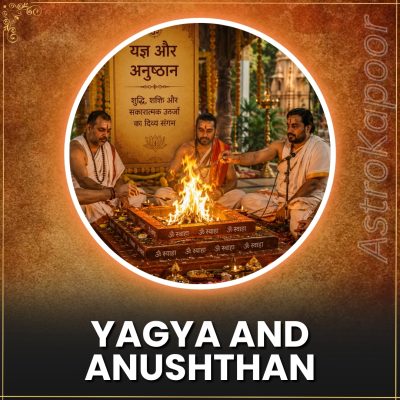
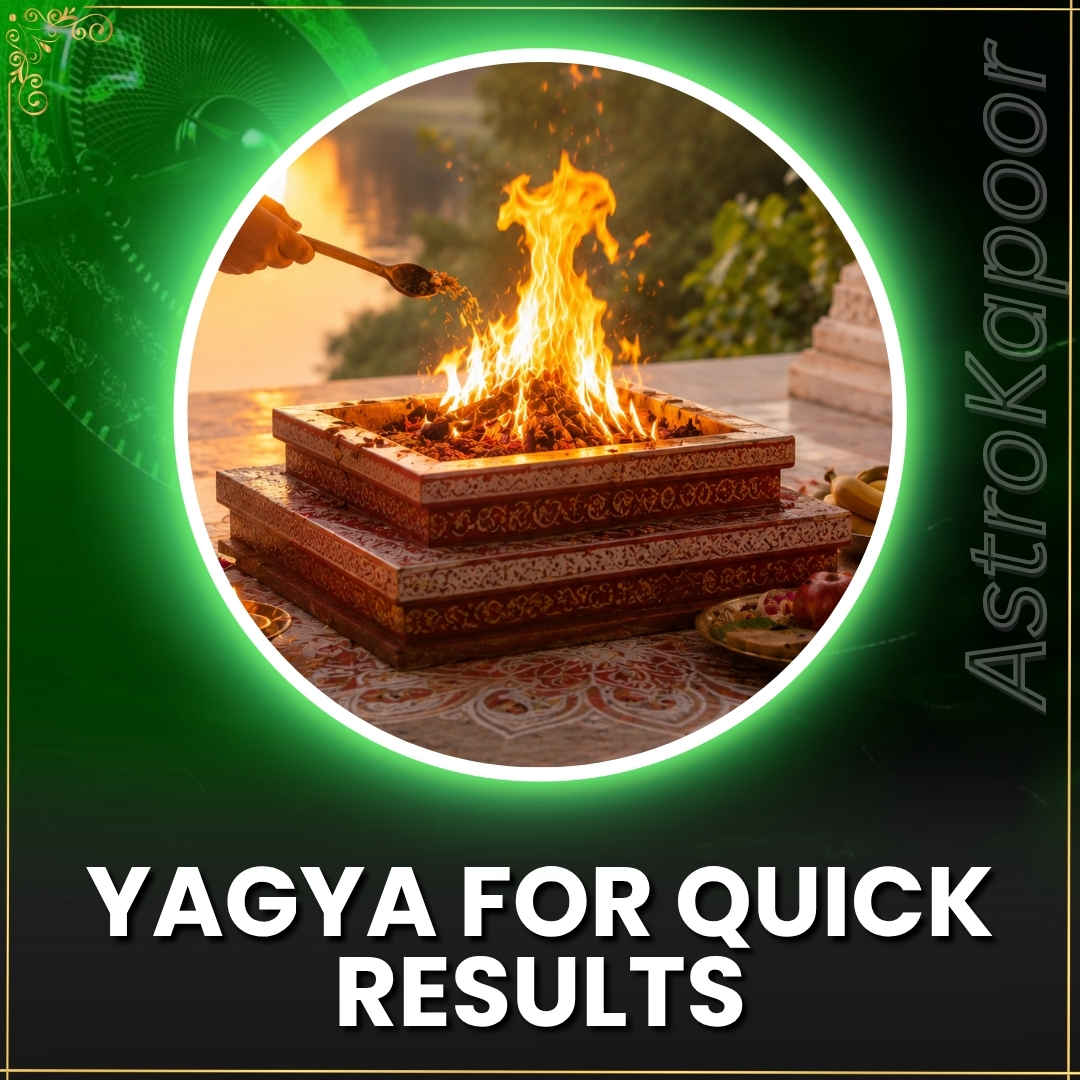
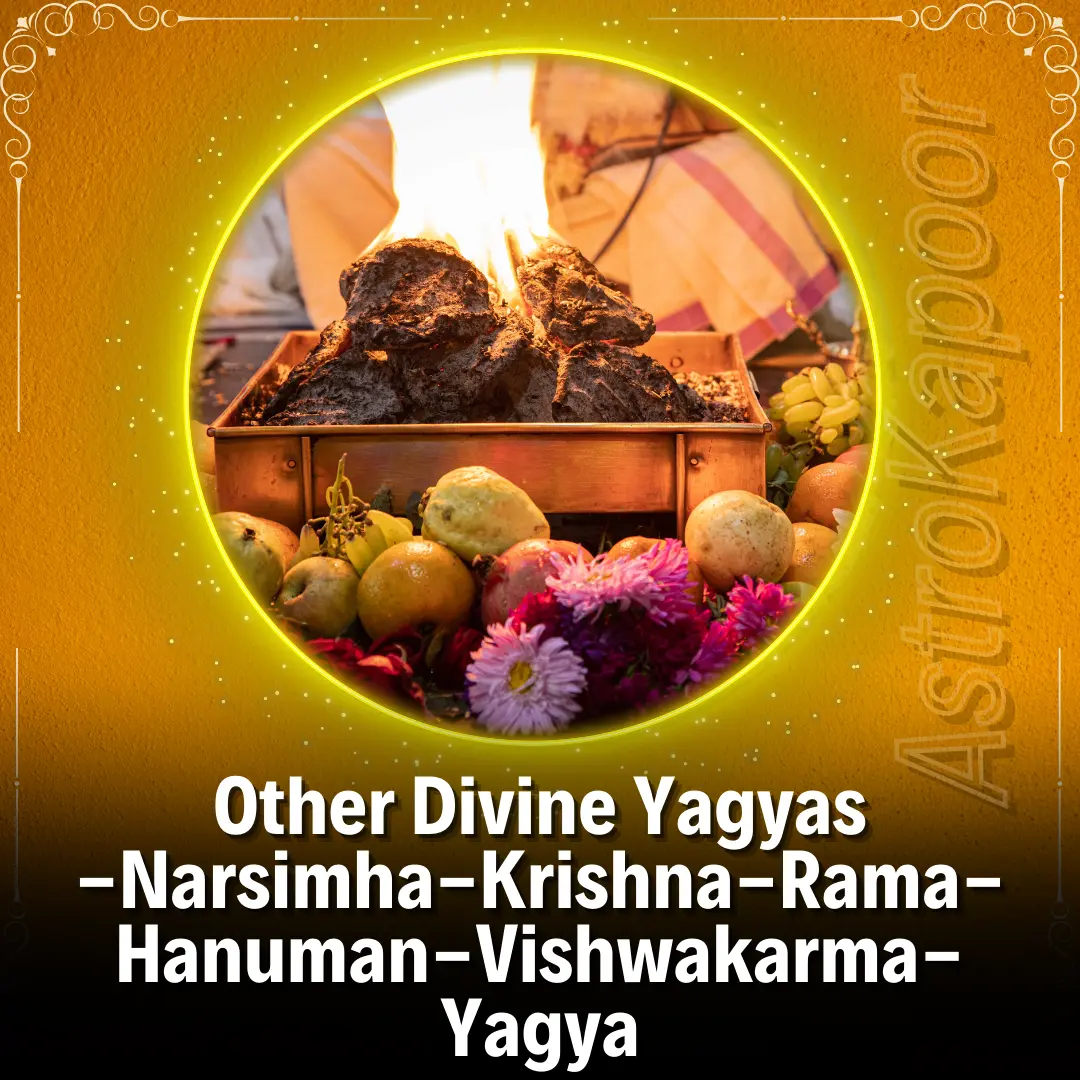
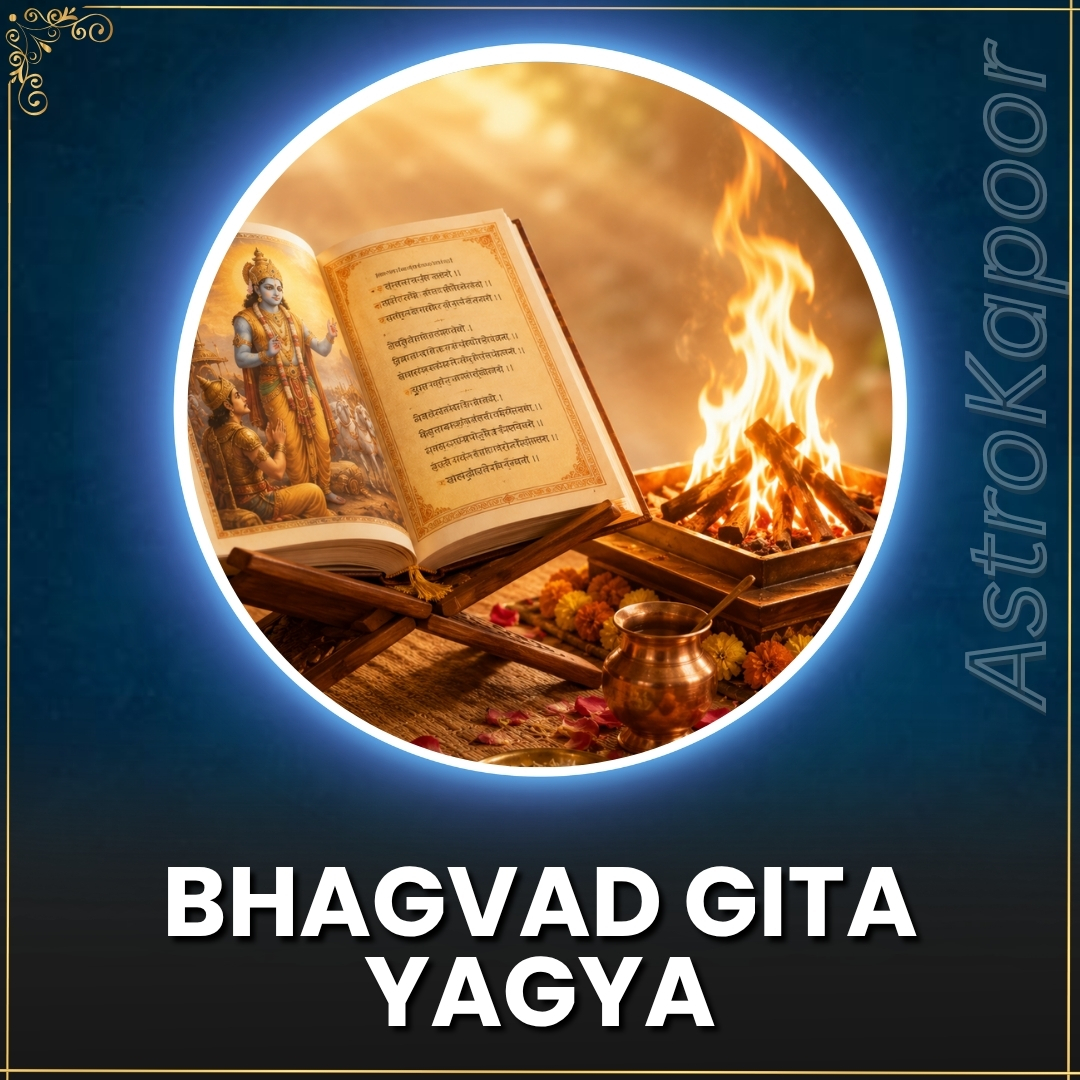
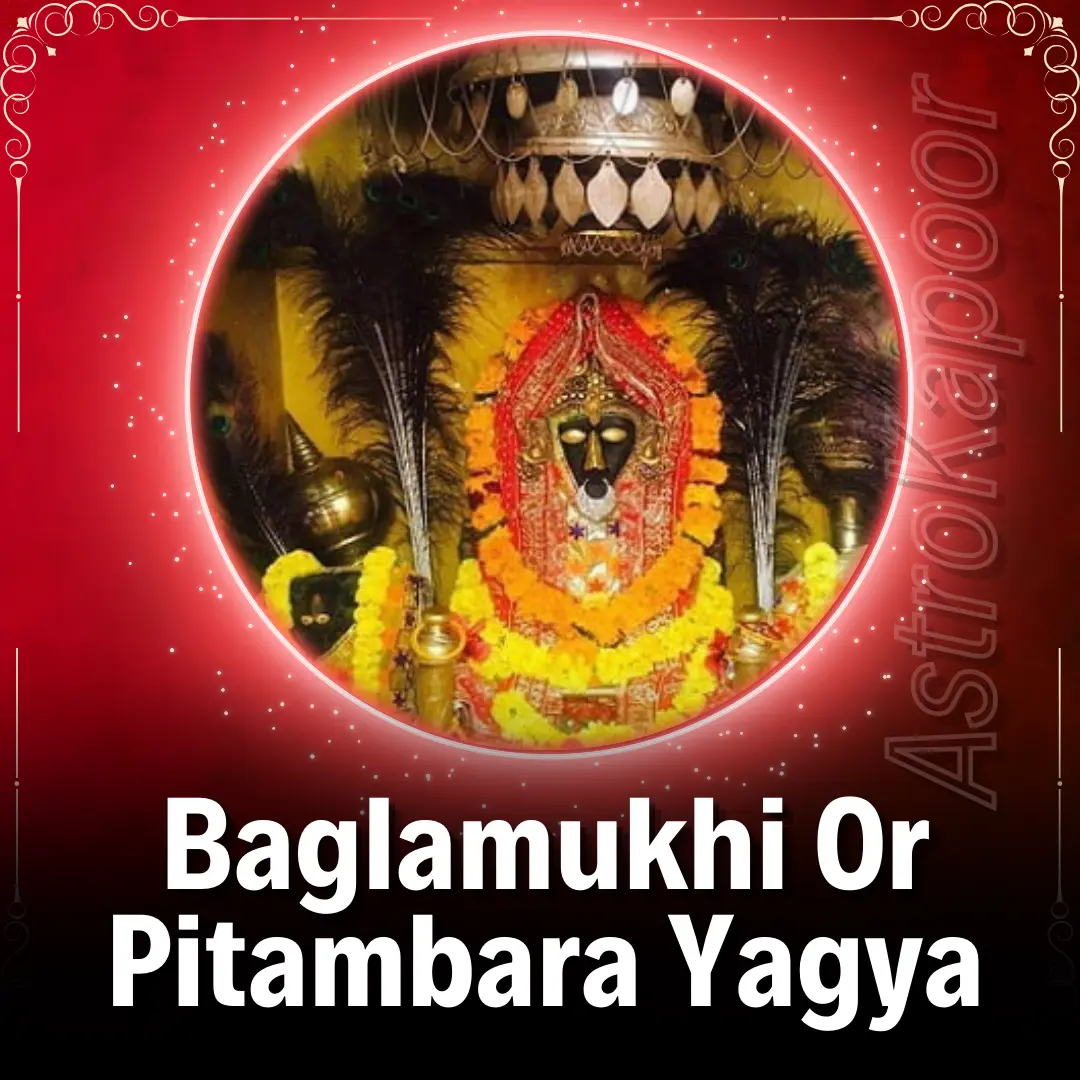
Yagyas and anushthan are powerful spiritual practices rooted in ancient Vedic traditions. These sacred rituals are designed to purify the mind, body, and soul while attracting positive energies into life. Through yagya anusthan homans, individuals can align themselves with divine vibrations and experience peace, clarity, and spiritual growth.
The word anushthan means a disciplined spiritual undertaking carried out for a fixed count, over a fixed number of days, with a clear sankalpa or resolve. A yagya or homa is the fire offering itself, accompanied by mantra chanting. Together, yagya and anushthan form the two halves of Vedic ritual practice — the outer offering and the inner discipline — and each of the practices described below can be taken up on its own or as part of a longer sadhana.
Yagya Anusthan Homans
Gurudev has provided various types of anushthan so that individuals can choose according to their needs and spiritual goals. These yagyas and anushthan help in removing negativity, enhancing inner strength, and creating a strong spiritual connection.
The choice of anushthan usually follows the intention behind it — mental peace and clarity, relief from repeated obstacles, protection, strength during a difficult planetary period, or steady daily spiritual progress. If you are unsure which Vedic ritual suits your situation, the selection can be made after examining the running Mahadasha and the current planetary transits in your birth chart, so that the sadhana and its timing support each other.
That reading is usually done with an astrology consultant before the sankalpa is taken, and a
vedic astrology online session serves the purpose equally well for those who are not able to sit in person.
Difference Between Yagya, Havan and Anushthan
Yagya is the complete Vedic ritual, in which offerings are made into the consecrated fire with specific mantras, usually performed by trained priests for a defined purpose.
Havan is the fire offering itself; in common usage, havan refers to the shorter, domestic form of a yagya.
Anushthan is the disciplined repetition of a mantra, stotra or practice for a fixed count and duration, completed by the sadhak personally. An anushthan is often concluded with a havan.
24 Gayatri Mantra Japa
With Gurudev's divine voice guiding the Gayatri Mantra, practitioners can visualize sun rays entering their body, filling them with positivity and divine light. This powerful yagya anusthan homans practice helps remove negativity and brings inner peace. By synchronizing your thoughts with the mantra, you can experience a deep transformation in your spiritual journey.
The Gayatri Mantra has twenty-four syllables, and each syllable is traditionally held to awaken a distinct spiritual quality — which is why this Gayatri Mantra Japa is structured around the count of 24. Practitioners commonly begin with a mala of 108 repetitions each morning and increase the count as the practice settles. Facing east at sunrise, keeping the spine upright, and holding the visualisation of sunlight steady through the japa are the three details that most improve the quality of the practice.
Gayatri Mantra Lekhan Sadhana
Gayatri Mantra writing is a highly beneficial spiritual practice. One written mantra equals ten mantra japa counts, making it extremely powerful. This form of yagyas and anushthan helps infuse divine consciousness into the practitioner and awakens 24 spiritual qualities within an individual. These qualities lead to success, prosperity, and overall life improvement.
Mantra lekhan sadhana suits anyone whose mind wanders during spoken japa, because the hand, the eye and the mind are engaged together — the writing itself holds the concentration that chanting alone sometimes cannot.
Disciplines to Follow While Writing Gayatri Mantra:
- Write the mantra with devotion and focus on its meaning.
- Maintain a slow and steady pace without rushing.
- Ensure clarity and correctness while writing.
- Keep the notebook neat and in the same place daily.
- Practice regularly at a fixed time.
- The mantra can be written in any language or script.
- Use any notebook suitable for writing.
Following these disciplines enhances the effectiveness of this spiritual anushthan and brings long-lasting benefits.
Completed mantra lekhan notebooks are treated as sacred. They should be kept clean and respectfully stored in the place of worship rather than discarded with ordinary paper; many practitioners submit them at a Gayatri temple or ashram once a notebook is filled.
Gayatri Chalisa Anusthan
This anushthan is performed over 9 days with complete dedication. After performing rituals like shat-karma, ahavan, and panchopchar pooja, one must recite the Gayatri Chalisa 12 times daily. By the end of 9 days, it completes 108 recitations.
Morning time, especially Brahm Muhurat, is considered the most auspicious for performing such yagyas and anushthan. At the end of the ritual, Surya Arghya Daan is performed to complete the spiritual process and receive divine blessings.
Brahm Muhurat falls roughly ninety-six minutes before sunrise and lasts about forty-eight minutes — for most of India this places it between approximately 4:00 and 5:30 in the morning, shifting with the season and your location. It is regarded as the finest window for japa, meditation and anushthan because the atmosphere is still and the mind has not yet been drawn into the day's activity.
A nine-day anushthan is traditionally undertaken with a spoken sankalpa on the first morning and carried through without breaking the count. Simple sattvic food, a fixed seat and place, and the same time each day are the supports that make the discipline sustainable. If a day is missed, the practice is generally resumed and the shortfall completed rather than abandoned, and guidance on this is best taken from your acharya.
Spiritual Importance of Yagyas and Anushthan
Yagyas and anushthan are not just rituals but a path to spiritual awakening. They help balance energies, remove obstacles, and bring harmony into life. Practicing yagya anusthan homans regularly allows individuals to connect with higher consciousness and achieve peace, success, and fulfillment.
In Vedic thought, the value of a yagya lies as much in the attitude of the person performing it as in the ritual mechanics — the offering made into the fire is understood as an offering of ego, attachment and unwanted tendencies. This is why discipline, regularity and sincerity of sankalpa are emphasised throughout this page.
It is also worth saying plainly what these practices are and are not. Yagyas and anushthan are a spiritual discipline undertaken for inner clarity, steadiness and progress. They are followed alongside your own effort, medical care and practical decision-making, never as a substitute for any of them.
Where a health concern lies behind the sadhana, a
medical astrology consultation may be taken alongside your doctor's treatment, as a support to it and never in place of it.
Conclusion
Yagyas and anushthan offer a complete spiritual solution for those seeking peace, positivity, and divine guidance. Whether it is mantra japa, lekhan sadhana, or chalisa anusthan, each practice plays a vital role in transforming life. By following these sacred rituals with discipline and devotion, one can unlock true spiritual potential and experience lasting happiness.
If you would like help choosing the right anushthan, fixing an auspicious start date, or arranging a yagya to be performed on your behalf by trained priests, the AstroKapoor team can guide you through both the selection and the vidhi.
Those who prefer to settle the details over a call can book a
best astrologer online consultation and go through the chart, the choice of practice and the start date in one sitting.Many who take up an anushthan also seek guidance in other areas of life; for business decisions our
corporate astrologer handles company charts and timing, and for those active in the markets we offer
astrostock prediction as a separate service.
FAQ
1. What are yagyas and anushthan?
Yagyas and anushthan are Vedic rituals performed to purify energy, remove negativity, and attract positive spiritual vibrations into life.
2. What is yagya anusthan homans?
Yagya anusthan homans are fire rituals combined with mantra chanting that help in spiritual cleansing and manifestation of positive outcomes.
3. How does Gayatri Mantra Japa help?
Gayatri Mantra Japa enhances mental clarity, removes negativity, and brings spiritual peace and divine blessings.
4. What is Gayatri Mantra Lekhan Sadhana?
It is the practice of writing the Gayatri Mantra, which strengthens focus and activates divine qualities within an individual.
5. Why is Brahm Muhurat best for anushthan?
Brahm Muhurat is considered spiritually powerful as the environment is calm, making it ideal for meditation and rituals.
6. How long does Gayatri Chalisa Anusthan take?
It is performed over 9 days with 12 recitations daily, completing 108 recitations in total.
7. Can anyone perform yagyas and anushthan?
Yes, anyone with devotion and discipline can perform these rituals and benefit from their spiritual power.