
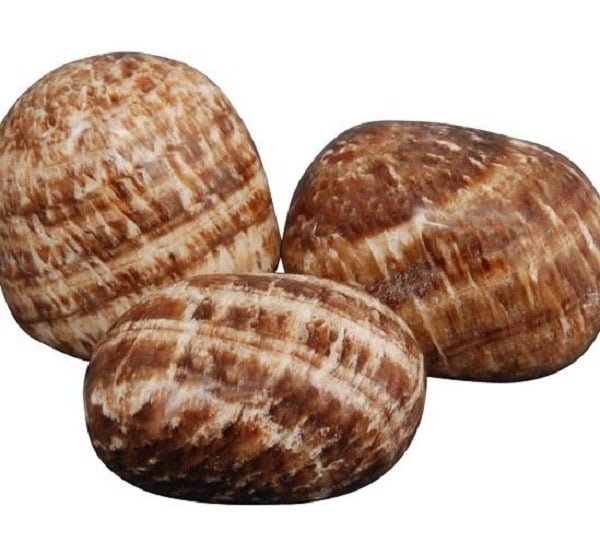
What Is Aragonite Crystal?
Aragonite is a naturally occurring calcium carbonate mineral with the chemical formula CaCO₃. It is one of the common crystalline forms of calcium carbonate and is closely related to calcite, although the two minerals have different crystal structures. Aragonite forms naturally through geological, biological and chemical processes and can be found in caves, marine environments, mollusc shells and coral-related deposits.
The Aragonite crystal is known for its distinctive formations and variety of colors, including white, brown, yellow, orange, blue and green. In traditional crystal practices, Aragonite stone is associated with grounding, stability, patience, concentration and a stronger connection with the Earth.
For people interested in natural crystals, mineral specimens or spiritual stones, Aragonite combines fascinating mineralogical properties with a long history of traditional metaphysical use.
Aragonite Meaning
The Aragonite meaning is commonly associated with balance, grounding, patience and stability. Crystal-healing traditions describe Aragonite as a stone that may encourage a calm and disciplined approach to everyday life while helping a person feel more connected to the physical world.
The Aragonite crystal meaning is also strongly connected with Earth energy. For this reason, it is often used during meditation, grounding exercises and spiritual practices focused on creating emotional stability and greater awareness.
From a symbolic perspective, Aragonite is sometimes linked with responsibility toward nature, conservation and respect for natural resources.
Aragonite Crystal at a Glance
| Property | Details |
|---|---|
| Mineral Name | Aragonite |
| Chemical Formula | CaCO₃ |
| Mineral Group | Carbonate Mineral |
| Crystal System | Orthorhombic |
| Mohs Hardness | Approximately 3.5–4 |
| Common Colors | White, brown, yellow, orange, blue, green and colorless |
| Primary Association | Grounding and stability |
| Common Uses | Mineral collection, decoration, meditation and crystal practices |
History and Origin of Aragonite
Aragonite was named in 1797 by German geologist Abraham Gottlob Werner after Molina de Aragón in Guadalajara, Spain, near the mineral’s historical type locality.
Natural Aragonite can form in several environments. It occurs in caves as mineral deposits, in marine settings and within the shells of many molluscs. Calcium carbonate produced by certain marine organisms may also occur in the Aragonite form.
Deposits of Aragonite have been found in different parts of the world, making the mineral important both scientifically and commercially.
How Is Aragonite Formed?
Aragonite may form when calcium-rich water interacts with carbonate under suitable environmental conditions. It can develop through both inorganic precipitation and biological processes.
Marine organisms such as molluscs can use calcium carbonate to create parts of their shells. Aragonite can also occur in caves, hot springs and marine sediments.
Although Aragonite and calcite have the same chemical formula, their internal crystal arrangements are different. Aragonite has an orthorhombic crystal structure, while calcite belongs to the trigonal crystal system.
Aragonite Properties
The properties of Aragonite make it interesting to mineral collectors, crystal enthusiasts and geology students. With a Mohs hardness of approximately 3.5 to 4, Aragonite is relatively soft compared with gemstones such as quartz, sapphire and diamond.
Natural Aragonite can appear in several crystal habits, including radiating clusters, needle-like formations and attractive branching structures. Some specimens are particularly valued for their star-like crystal formations.
Physical Properties of Aragonite
Important physical and mineralogical characteristics include:
- Chemical composition of calcium carbonate
- Orthorhombic crystal system
- Mohs hardness of approximately 3.5–4
- Common white, brown, yellow, orange, blue and green varieties
- Natural occurrence in caves, shells, marine deposits and mineral formations
These characteristics distinguish genuine Aragonite mineral specimens from other visually similar stones.
Aragonite Benefits
The benefits of Aragonite crystal described in crystal traditions primarily relate to grounding, concentration, patience and emotional stability. These associations are traditional and spiritual rather than scientifically established medical effects.
People who work with crystals often use Aragonite when they want to create a calmer environment or develop greater mental discipline.
Mental and Concentration Benefits
Traditionally, Aragonite stone benefits are believed to include improved focus, patience and mental organisation. Because of these associations, students and professionals sometimes keep an Aragonite crystal near their study or work area.
Aragonite is also traditionally connected with discipline and perseverance, making it popular among people who want a symbolic reminder to remain consistent and focused.
Emotional Benefits
In metaphysical traditions, Aragonite is associated with emotional balance and the ability to manage feelings of frustration, anger or oversensitivity. It is often described as a stabilising crystal that encourages patience and acceptance.
These traditional beliefs should be understood as part of crystal and spiritual practices rather than medical treatment.
Spiritual Benefits
The spiritual meaning of Aragonite is closely linked with grounding and maintaining balance during meditation or spiritual development.
Some practitioners use Aragonite during meditation when they want to feel more centred and connected with the Earth. It may also be placed in meditation areas, living spaces or work environments as a symbolic grounding stone.
Aragonite Healing Properties
The term Aragonite healing properties is commonly used within traditional crystal-healing communities. Aragonite has historically been associated with relaxation, grounding, energetic balance and physical stability.
However, crystals should not be used to diagnose, prevent or treat disease. Any claims about physical or emotional healing associated with Aragonite belong to traditional or metaphysical belief systems and are not substitutes for qualified medical advice or treatment.
People who enjoy crystal practices may use Aragonite as part of meditation, mindfulness or relaxation routines.
Aragonite Chakra
The Aragonite chakra association is generally connected with the lower energy centres, particularly the Root Chakra in modern crystal traditions.
The Root Chakra is symbolically linked with stability, security, grounding and connection to the physical world. Because Aragonite itself is traditionally regarded as a grounding mineral, practitioners may place it near the lower body during meditation or keep it nearby when practising grounding exercises.
Different colors of Aragonite may also be associated with additional chakras depending on the spiritual system being followed.
Aragonite Zodiac Sign
There is no universally accepted scientific connection between minerals and astrology. However, within modern crystal traditions, people sometimes explore the relationship between an Aragonite zodiac sign and the symbolic qualities of the stone.
Because Aragonite is associated with patience, responsibility and grounding, it may be selected by people of different zodiac signs who feel these qualities support their personal or spiritual goals.
When selecting an Aragonite gemstone for astrology or spiritual practice, personal preference and the guidance of a qualified practitioner may also be considered.
Aragonite Metaphysical Properties
The most commonly discussed Aragonite metaphysical properties include grounding, stability, patience, discipline and Earth connection.
Crystal practitioners may use Aragonite to:
- Encourage a more grounded mindset
- Support meditation and mindfulness practices
- Symbolise patience and emotional stability
- Create a calm study or working environment
- Encourage environmental awareness and connection with nature
- Support spiritual practices focused on balance
These uses are based on traditional crystal beliefs rather than scientifically established effects.
Aragonite Uses
There are several practical and traditional Aragonite uses.
Natural Aragonite may be purchased as a mineral specimen for collection or display. Attractive crystal clusters are frequently used for home decoration, meditation spaces and crystal collections.
Within spiritual practices, an Aragonite crystal may be held during meditation, placed in a room or carried as a personal grounding stone.
Some people also use polished Aragonite pieces, pendants or decorative specimens because of the mineral’s natural colors and distinctive crystal formations.
Different Aragonite Colors
Aragonite occurs naturally in several colors depending on mineral impurities and formation conditions.
White Aragonite
White Aragonite is commonly associated with clarity, balance and peaceful energy in crystal traditions.
Brown Aragonite
Brown Aragonite has a strong earthy appearance and is frequently associated with grounding and stability.
Blue Aragonite
Blue Aragonite is an especially popular variety among crystal collectors. Search interest around Blue Aragonite has increased because of its attractive color and metaphysical associations.
People often search for Blue Aragonite meaning, Blue Aragonite benefits, Blue Aragonite chakra and Blue Aragonite spiritual properties.
Orange and Yellow Aragonite
Orange and yellow varieties are appreciated for their warm natural appearance and decorative value.
The exact color, clarity and crystal formation can vary significantly from one natural specimen to another.
Aragonite vs Calcite
Aragonite vs Calcite is a common comparison because both minerals are composed of calcium carbonate.
The major difference lies in their crystal structure.
| Feature | Aragonite | Calcite |
|---|---|---|
| Chemical Formula | CaCO₃ | CaCO₃ |
| Crystal System | Orthorhombic | Trigonal |
| Mohs Hardness | About 3.5–4 | About 3 |
| Natural Formation | Marine deposits, caves, shells and other environments | Extremely widespread in sedimentary and geological formations |
| Crystal Appearance | Often radiating, branching or needle-like | Frequently rhombohedral |
Although chemically similar, Aragonite and calcite are different minerals because atoms are arranged differently within their crystal structures.
How to Use Aragonite Crystal
There are several ways to use Aragonite depending on whether it is being purchased as a mineral specimen, decorative stone or spiritual crystal.
You may:
- Keep Aragonite near your desk or study area
- Hold it while meditating
- Place it in a meditation or relaxation space
- Add a natural specimen to a crystal collection
- Keep it in a living space as decorative mineral art
- Wear suitable polished Aragonite jewellery with appropriate care
Because Aragonite is comparatively soft, it should be protected from scratches and rough handling.
How to Cleanse and Care for Aragonite
Aragonite requires more careful handling than harder minerals.
Avoid harsh chemicals, abrasive cleaning materials and prolonged exposure to water. Instead, clean the surface gently using a soft, dry or slightly damp cloth when necessary.
For people who follow spiritual crystal-cleansing traditions, non-contact methods such as moonlight, sound or placing the stone near other suitable crystals may be preferred.
Store natural Aragonite separately from harder gemstones to reduce the possibility of scratches.
Can Aragonite Go in Water?
Because Aragonite is a relatively soft calcium carbonate mineral, prolonged soaking in water is generally not recommended. Acids and harsh cleaning solutions should also be avoided.
If cleaning is necessary, use gentle methods and dry the specimen carefully.
How to Identify Natural Aragonite
Natural Aragonite should be evaluated based on its crystal structure, mineral composition, hardness, formation and source.
When purchasing a specimen, look for a seller who provides clear information about:
- Natural origin
- Mineral type
- Size and weight
- Color
- Treatment or enhancement status
- Certification where applicable
Because natural crystals vary, minor differences in color, inclusions and formation are expected.
Aragonite Price and Buying Guide
The Aragonite price can vary depending on the variety, color, crystal formation, size, weight, quality, origin and rarity of the specimen.
Common natural specimens may be reasonably accessible, while visually exceptional crystal clusters or unusual varieties such as high-quality Blue Aragonite may command higher prices.
Before you buy Aragonite stone online, check whether the seller clearly describes the specimen and provides authentic product photographs and certification information where applicable.
For people searching for a natural Aragonite crystal, certified Aragonite gemstone or Aragonite stone price, choosing a trusted gemstone specialist can help provide greater clarity about authenticity and quality.
You can explore and buy natural Aragonite stone online from AstroKapoor and check the available specimen details before selecting the stone that best meets your requirements.
Why Buy Natural Aragonite?
Natural Aragonite combines geological interest, attractive crystal formations and traditional spiritual significance. Every natural piece may vary slightly in shape, shade, inclusions and crystal pattern, making each specimen visually unique.
Whether you are looking for Aragonite for a mineral collection, meditation practice, home décor or personal crystal collection, authenticity and accurate mineral information should remain the most important considerations.
FAQs About Aragonite Crystal
1. What is Aragonite crystal used for?
Aragonite is used as a mineral specimen, decorative crystal and meditation stone. In traditional crystal practices, it is associated with grounding, patience, concentration and emotional stability. These spiritual associations are based on traditional beliefs rather than scientifically proven medical effects.
2. What are the main Aragonite crystal benefits?
Traditional Aragonite crystal benefits include grounding, focus, patience, discipline and emotional balance. Many crystal enthusiasts use it during meditation, study or mindfulness practices to symbolise stability and connection with the Earth.
3. What chakra is Aragonite associated with?
Aragonite is most commonly associated with the Root Chakra in modern crystal traditions because both are symbolically connected with stability, security and grounding. Individual associations may vary depending on the color of the Aragonite and the spiritual system being followed.
4. What is the difference between Aragonite and Calcite?
Aragonite and calcite both have the chemical formula CaCO₃, but their crystal structures are different. Aragonite has an orthorhombic crystal system, while calcite has a trigonal structure. Aragonite is also slightly harder, measuring approximately 3.5–4 on the Mohs scale.
5. Where can I buy certified Aragonite stone online?
Natural Aragonite can be purchased from established gemstone and mineral sellers that provide clear information about authenticity, size, weight, color and origin. Buyers looking for a certified Aragonite gemstone should review the product specifications and certification details before purchasing.
