
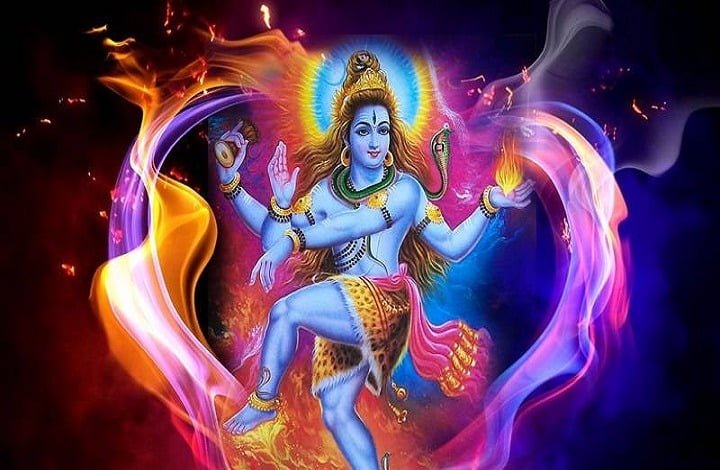
The powerful Rudra mantra is one of the most revered invocations of Lord Shiva in his Rudra form — the fierce, storm-like aspect that destroys negativity and clears the path for renewal. Rudra is described in the Vedas as both the roarer who removes suffering and the compassionate one who heals. Chanting a Rudra mantra with faith is believed to build courage, dissolve fear, and surround the devotee with protective energy. For anyone drawn to Shiva worship, these mantras are among the most potent tools available.
Who Is Rudra?
Rudra is the ancient Vedic name for Lord Shiva in his most dynamic and untamed form. While Shiva is often worshipped as the serene meditator, Rudra represents the same divinity in motion — the force that breaks down what is stagnant so that transformation can occur. The word is linked both to “roaring” and to “removing sorrow,” which captures the paradox at the heart of Rudra: fierce on the surface, deeply compassionate underneath.
The Most Powerful Rudra Mantras
Several Shiva mantras invoke the Rudra energy. The most widely chanted include:
- Om Namo Bhagavate Rudraya — a direct salutation to Lord Rudra, chanted for protection, inner strength and the removal of obstacles.
- Mahamrityunjaya Mantra — “Om Tryambakam Yajamahe…”, the great death-conquering mantra addressed to Rudra, chanted for health, healing and protection from untimely misfortune.
- Shiva Gayatri Mantra — “Om Tatpurushaya Vidmahe…”, which invokes Shiva’s wisdom and grace.
- Ekadasha Rudra invocations — recited during the Rudrabhishekam ritual, honouring the eleven forms of Rudra.
Each of these has its own tone and purpose, but all channel the same protective, transformative Rudra energy.
Benefits of Chanting the Rudra Mantra
Devotees turn to the Rudra mantra for a wide range of reasons. Regular, sincere chanting is traditionally associated with protection from negativity and fear, greater courage and mental resilience, relief from stress and anxiety, and spiritual growth. The Mahamrityunjaya mantra in particular is chanted for wellbeing and recovery during difficult times, and is often recommended as a supportive practice alongside — never in place of — proper medical care. Above all, the Rudra mantra is believed to build a sense of fearlessness, helping the devotee face challenges with a steady mind.
How to Chant the Rudra Mantra
For the best results, approach the mantra with cleanliness, focus and devotion:
- Bathe and sit facing east or north, ideally early in the morning.
- Light a lamp or incense before an image or Shivling if available.
- Use a Rudraksha mala to count your repetitions.
- Chant clearly and steadily, in rounds of 108, keeping the mind on Lord Shiva.
- Monday and the Pradosh period are considered especially auspicious for Shiva mantras.
Rudraksha beads share a deep connection with Rudra — the very name Rudraksha means “the eye of Rudra.” You can explore this link further in our guide to the power of the sixteen mukhi Rudraksha, a bead associated with Lord Shiva’s Mahakaal form.
Frequently Asked Questions
What is the most powerful Rudra mantra?
“Om Namo Bhagavate Rudraya” is the core Rudra salutation, while the Mahamrityunjaya Mantra is considered the most powerful for health, healing and protection. Both invoke Lord Shiva’s Rudra energy.
What are the benefits of chanting the Rudra mantra?
Chanting the Rudra mantra is believed to bring protection, courage, mental strength, relief from fear and anxiety, and spiritual growth. It is often chanted for wellbeing during challenging periods.
How many times should the Rudra mantra be chanted?
Traditionally the mantra is chanted in rounds of 108 using a Rudraksha mala. Regular daily practice is considered more effective than occasional long sessions.
When is the best time to chant the Rudra mantra?
Early morning after bathing is ideal. Mondays, the Pradosh period and the month of Shravan are considered especially auspicious for chanting Shiva and Rudra mantras.
Can the Mahamrityunjaya mantra cure illness?
The Mahamrityunjaya mantra is chanted for healing, strength and wellbeing, and many devotees find it comforting during illness. It should be treated as a spiritual support alongside proper medical treatment, not as a replacement for it.
