
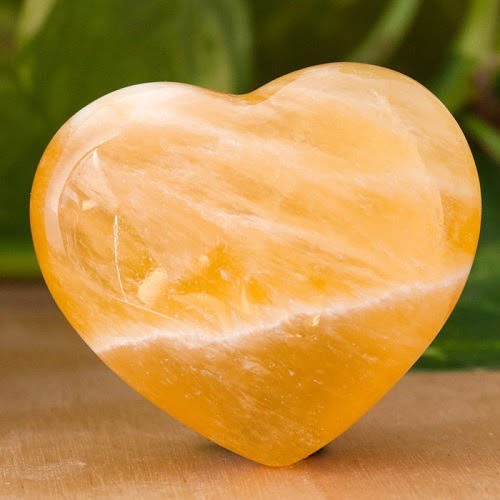
Calcite is the primary ore of calcium and the most stable form of calcium carbonate. Calcium carbonate is found in the abundant form and is the most important ore of calcite gemstone. Calcite is often called as “Limespar”’ or “calspar”. Calcite deposits are found in the deposits of sedimentary rocks such as limestone. Calcite is soft and fragile as compared to other gemstones. It is also called as collector’s stone as it lacks the hardness and durability needed for making of jewelry. The hardness of calcite can be compared to Amber, Coral and Chrysocolla.
Calcite is a very important mineral used in the industrial applications. It is used in the construction industry in the process of cementation.
Natural Calcite is one of the most abundant and widely occurring carbonate minerals. Its chemical composition is calcium carbonate, CaCO₃, and it is an important component of limestone, marble and many other sedimentary and metamorphic rocks.
For mineralogical clarity, Calcite is better described as a common calcium carbonate mineral rather than the primary ore of calcium. It has major industrial importance because limestone and other Calcite-rich materials are widely used in cement, construction, agriculture and manufacturing.
Calcite is also popular among mineral collectors because it forms an exceptional range of crystal habits and colors. Transparent Calcite is especially interesting because of its strong double refraction.
Calcite Meaning and Natural Appearance
Calcite meaning in modern crystal traditions is commonly associated with clarity, motivation, emotional balance and positive energy.
Pure Calcite is colorless or white, but natural impurities and inclusions can produce yellow, orange, red, pink, green, blue, grey and brown varieties.
The mineral can be transparent, translucent or, in massive material, opaque. Its attractive colors and wide variety of crystal forms make it popular for mineral collections, carvings and decorative stones.
Calcite Gemstone Origin and Sources
Calcite is found in many locations in the world, but the most important sources of calcite are Chihuahua and Mexico. It is also found in United States, New Jersey, New York, Germany, Texas, Africa and Czech Republic.
Calcite is an extremely widespread mineral and occurs in thousands of geological locations worldwide.
Mexico is famous for attractive Calcite specimens, including transparent and strongly colored varieties. Important specimens are also found throughout the United States, Europe, Africa and many other mineral-producing regions.
Because Calcite is so widespread, geographic origin usually cannot be determined from color or appearance alone.
How Natural Calcite Forms
Calcite develops in many different geological environments.
It commonly forms in sedimentary rocks such as limestone, in metamorphic marble, in hydrothermal mineral veins and inside caves where it can create stalactites and stalagmites.
It can also occur together with minerals such as Quartz, Fluorite, Dolomite and various metallic ores.
This broad range of formation environments explains why Natural Calcite appears in so many crystal habits, sizes and colors.
Calcite Gemstone Value
Color – In the purest for, Calcite is a colorless stone. The most common color of Calcite found is white, grey, red and blue.
Clarity – It is found in transparent to translucent in appearance. It has an attractive vitreous luster.
Calcite Treatment – It is an untreated gemstone.
Cut and Shape – It is often faceted or carved. The most common shapes in which calcite are cut are ovals, octagons and cushion.
Calcite Gemstone value depends on color, transparency, crystal quality, size, locality, cutting and overall appearance.
Transparent material with attractive color or unusual optical characteristics can be particularly interesting to gemstone and mineral collectors.
Because Calcite has low hardness and perfect cleavage, faceted stones are generally considered collector gems rather than durable everyday jewelry stones.
Calcite Treatment and Identification
Natural untreated Calcite is widely available, but it is not accurate to assume that every Calcite product on the market is untreated.
Massive Calcite may sometimes be dyed, including green-dyed material intended to resemble other decorative stones. Some material may also be impregnated with wax or plastic.
Treatment disclosure is therefore important when purchasing strongly colored or unusual Calcite material.
A gemological examination can use characteristics such as refractive index, specific gravity, cleavage and birefringence to help identify Calcite.
Calcite Gemological Properties
Chemical Composition – Calcium carbonate
Crystal – Trigonal
Hardness – 3 on the Mohs scale
Luster – Vitreous
Transparency – Transparent to translucent
Calcite is a relatively soft mineral with a Mohs hardness of 3. It also has perfect rhombohedral cleavage, which means it can split relatively easily along specific crystallographic directions.
Important properties include:
- Chemical formula – CaCO₃
- Mineral group – Calcite Group
- Crystal system – Trigonal
- Mohs hardness – 3
- Specific gravity – Approximately 2.71
- Refractive indices – Approximately 1.486 and 1.658
- Birefringence – Very strong, approximately 0.172
- Cleavage – Perfect
- Lustre – Vitreous to pearly
- Streak – White
- Transparency – Transparent to translucent, with some massive material opaque
Strong birefringence is one of Calcite’s most interesting optical properties.
Double Refraction in Calcite
Clear Calcite can display strong double refraction. When a transparent piece is placed over printed text or another object, two images may sometimes be visible through the crystal.
This phenomenon occurs because light entering the mineral is divided into two rays traveling at different speeds.
Clear material historically known as Iceland Spar is particularly famous for demonstrating this optical effect.
Calcite Metaphysical Properties
Calcite is associated with fire, water, wind and earth. Calcite enhances the metaphysical energies and it is an excellent grounding stone. Calcite balances all the chakras and heals the metaphysical plane of a person. It increases creativity and brings spirituality and wisdom to the wearer. It is an excellent grounding stone which can be used with other crystal. It is excellent for alternative crystal healing.
Calcite is used in Medical Astrology since ancient time for the treatment of back pain and rheumatism. It strengthens the teeth, bones, and eyes. Calcite is associated with the planet Venus and represents the Sun and the Moon. Calcite is the premier cleaner of the stored negative energies.
In crystal traditions, Calcite is associated with cleansing, motivation, creativity, emotional awareness and spiritual development.
Different colors of Calcite may also be given different chakra or metaphysical associations. For example, green material may be linked with the Heart Chakra, while yellow or orange Calcite may be associated with the Solar Plexus or Sacral Chakra.
Claims involving rheumatism, back pain, bones, teeth, eyesight or other medical conditions are traditional crystal-healing beliefs and are not scientifically established treatments. Calcite should not replace professional healthcare.
Calcite Benefits
Calcite is a powerful healer and amplifier of energy. Psychologically, calcite helps to connect the emotions with the intellect and creates emotional intelligence. It has a positive effect especially where someone who has lost hope or motivation. It removes laziness, aiding in becoming more energetic on all levels.
Mentally, calcite calm the mind, teaches and helps to analyse the memory. It confers the ability to change the ideas into action.
Calcite alleviates emotions stress and replaces it with serenity. It is a stabilizing stone. It enhances trust in oneself and strengthens the ability to overcome setbacks.
Traditional Calcite benefits are commonly associated with motivation, calmness, confidence, concentration and maintaining a positive state of mind.
Some people use Calcite during meditation or keep colorful Calcite crystals in personal spaces for decorative and spiritual purposes.
These emotional and metaphysical benefits are based on traditional crystal practices rather than scientifically proven psychological effects.
How to Identify Natural Calcite
Calcite has several physical characteristics that can help distinguish it from other minerals.
Natural Calcite commonly shows:
- Mohs hardness of 3
- Perfect rhombohedral cleavage
- White streak
- Vitreous to pearly lustre
- Strong double refraction in transparent material
- Transparent to translucent appearance
- Wide range of natural colors
- Strong reaction with weak acids
Its low hardness means Calcite can be scratched more easily than Quartz and many commonly worn gemstones.
Professional mineral or gemological testing is recommended when precise identification or treatment disclosure is important.
Calcite Jewelry and Care
Calcite may be fashioned into pendants, beads, cabochons, carvings and occasional faceted collector gemstones.
However, its Mohs hardness of only 3 and perfect cleavage make it vulnerable to scratches, chips and breakage. Rings and bracelets exposed to frequent impacts therefore require particular care.
Clean Natural Calcite with a soft dry or slightly damp cloth. Avoid acidic cleaning products, harsh household chemicals, steam cleaning and ultrasonic cleaners.
Because Calcite reacts readily with acids, even weak acidic substances should be kept away from polished specimens.
Store Calcite separately from harder gemstones to prevent surface scratches.
Why Choose Certified Calcite Gemstone?
A Certified Calcite Gemstone can provide greater confidence when mineral identity, natural origin or treatment information is important.
Certification or professional testing becomes especially useful when purchasing transparent faceted material, unusually colored Calcite or specimens represented as untreated.
Buyers should consider color, transparency, crystal quality, cleavage, surface condition, cut and available treatment information before purchasing Natural Calcite.
Sorry, No Products Available!!!!
Frequently Asked Questions
What is Calcite Gemstone?
Calcite is a naturally occurring calcium carbonate mineral with the chemical formula CaCO₃. It belongs to the trigonal crystal system and commonly occurs in limestone, marble, mineral veins and many other geological environments.
What is the hardness of Calcite?
Calcite has a Mohs hardness of 3. It is relatively soft compared with Quartz, Sapphire and many other gemstones, so it requires careful handling.
What colors does Natural Calcite come in?
Pure Calcite can be colorless or white, while natural impurities can produce yellow, orange, red, pink, blue, green, grey, brown and other colors.
Is all Calcite untreated?
No. Natural untreated Calcite is common, but some massive Calcite can be dyed or impregnated with wax or plastic. Treatment disclosure should be checked when purchasing unusually colored material.
Can Calcite be used in jewelry?
Yes, but Calcite is better suited to protected jewelry and collector pieces because it has a hardness of only 3 and perfect cleavage. Pendants and earrings are generally more practical than jewelry exposed to frequent knocks.


