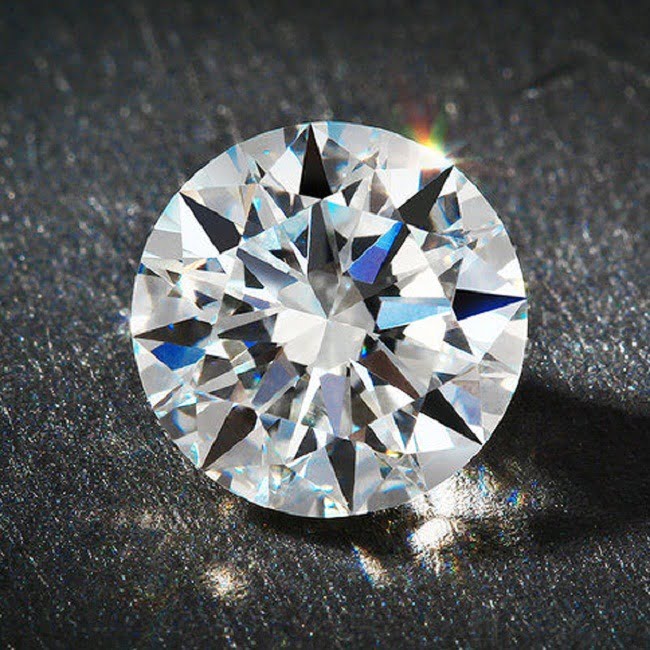
Zircon Gemstone
Zircon is a mineral that belongs to the group of neosilicates. Cubic Zircon occurs in igneous rocks, metamorphic rocks, and sedimentary rocks. Zircon also occurs in sedimentary deposits and is a common constituent of sands. Cubic Zircon can become more modified by intense radiation damage. Some Zircon contains large amounts of uranium and thorium deposits.
Zircon is found in many varieties, but the most popular form is the colorless one. The name Zircon has been derived from the Persian word “Zargun,” which means gold-colored. Cubic zirconia is widely considered a substitute for diamond because of its attractive appearance and brilliance.
Cubic Zircon
Cubic Zircon is mainly used in the ceramic industry as it is one of the most refractory materials known. In gemology, White Zircon has gained wide importance, though it is also found in brown, yellow, orange, and other beautiful shades.
Zircon stone is highly brilliant and transparent in texture. Unfortunately, many consumers have a misconception that Zircon is synthetic or artificial. Therefore, it is important to differentiate between natural Zircon and synthetic stones before purchasing.
Sri Lanka has been a source of gem-quality Zircon for hundreds of years. It is also found in Australia, Brazil, Cambodia, France, and Myanmar. Natural Zircon can display excellent brilliance and a wide range of colors, making it an important gemstone in both gemology and jewelry.
Zircon Gemology
| Property | Details |
|---|---|
| Color | White, Yellow, Orange, Red, Green, Brown |
| Appearance | Clear, double terminated, small to large |
| Rarity | Expensive, but readily available |
| Source | Australia, Brazil, Cambodia, France, Thailand, Tanzania, Vietnam |
| Category | Neosilicate |
| Brilliance | Very high |
| Luster | Vitreous to adamantine |
| Mohs Scale Hardness | 7.5 |
| Formula | ZrSiO4 |
For personalized gemstone selection, a Vedic gemstone recommendation can help determine the most suitable gemstone according to an individual’s astrological requirements.
Healing Effects and Benefits of Zircon
Zircon is traditionally associated with numerous healing and beneficial effects in crystal and gemstone traditions. It is regarded as a powerful crystal for removing electromagnetic pollution or radioactivity and is traditionally believed to help protect against geopathic stress. Some crystal-healing practices recommend placing Zircon around the bed to promote a peaceful and comfortable environment.
Cubic Zircon is traditionally associated with the Sahasrara Chakra, also known as the crown chakra. It is believed in traditional healing systems to support detoxification, relaxation, and restful sleep.
Zircon is also traditionally associated with cellular balance and metabolic well-being. It is believed to help reduce stress and protect the body and mind from destructive energies.
The traditional benefits associated with Zircon include:
- Promotes peace and comfort
- Supports spiritual awareness
- Associated with crown chakra balancing
- Traditionally used for stress relief
- Supports emotional stability and contentment
- Associated with love, wisdom, and prosperity
- Traditionally believed to support relief from headaches and migraines
- Used in traditional gemstone practices for mental balance
- Traditionally associated with women’s wellness and pregnancy support
These healing associations come from traditional gemstone and crystal practices and should not replace professional medical care or treatment.
In Which Finger to Wear Zircon
Cubic Zircon should traditionally be worn in a gold or silver ring on the ring finger or middle finger on a suitable day. Before wearing, the stone should be gently washed with water and soap to remove residues from cutting and polishing.
It can then be purified with milk according to traditional gemstone-wearing practices. The appropriate metal, finger, day, and wearing method may vary according to an individual’s horoscope and astrological requirements.
Natural and Certified Zircon Gemstones
At AstroKapoor, we offer natural and certified gemstones of excellent quality. Cubic Zirconia is examined through various tests by our team of gemologists and is finally certified by government-approved laboratories. The best-quality stones are selected for our clients based on their requirements.
Clients can purchase Cubic Zircon gemstones according to their preferred specifications, including color, quality, size, and gemstone requirements. Providing accurate requirements helps in selecting a suitable gemstone.
Cubic Zirconia Jewelry
Cubic Zirconia is a beautiful and popular stone used in jewelry. It is especially common in engagement rings because of its attractive brilliance and diamond-like appearance.
Cubic Zirconia rings are widely used to enhance the beauty of jewelry designs. In traditional astrological associations, Cubic Zirconia is also connected with Venus, the planet associated with love, beauty, luxury, relationships, and artistic expression.
The Six Key Steps in Examining a Stone
Whenever possible, examine stones while they are unmounted.
- Make sure the gemstone is clean.
- Hold the unmounted stone so that your fingers touch only the girdle.
- View the gemstone under proper lighting.
- Rotate the stone to observe it from different angles.
- Examine its brilliance, transparency, color, and overall appearance.
- Whenever possible, obtain professional gemological verification for authenticity and quality.
These steps can help in the preliminary examination of a gemstone, while professional laboratory certification provides more reliable identification.
Vedic Mantra for Wearing Zircon
“Om Sah Shukrayae Namah”
The mantra is traditionally associated with Shukra (Venus) and may be chanted while wearing the gemstone according to Vedic gemstone practices.
Pran Pratishtha and Energization of Zircon Gemstone
Please note that all Gems are already energized (Pran Pratishtha) before being sent to our clients by special Pundits and Purohits having in-depth knowledge of the Vedas.
An auspicious day and Nakshatra are chosen by our Purohits according to the client’s name, date of birth, and place of birth.
A mat is placed with its face towards the East, North, or North-East while performing the Pooja.
The Cubic Zircon gemstone is washed with holy Gangajal and Kum Kum is applied.
An incense stick is lit in front of the gemstone, and the appropriate mantra is chanted along with marigold flowers according to the concerned gemstone.
The name and date of birth of the person are chanted by the Purohits while performing the energization according to the gemstone.
This completes the Pran Pratishtha of the gemstone, allowing the person to wear it directly after receiving it.
Frequently Asked Questions
What is Zircon gemstone?
Zircon is a naturally occurring mineral belonging to the neosilicate group. It is known for its high brilliance, transparency, durability, and range of natural colors. White and colorless Zircon are particularly popular in jewelry.
Is Cubic Zircon the same as natural Zircon?
No. Natural Zircon and Cubic Zirconia are different materials. Natural Zircon is a naturally occurring mineral with the chemical formula ZrSiO4, while Cubic Zirconia is a synthetic diamond substitute made from zirconium dioxide.
What are the benefits of Zircon gemstone?
Zircon is traditionally associated with peace, comfort, spiritual awareness, wisdom, prosperity, emotional balance, and protection from negative energies. It is also used in traditional crystal-healing practices for stress management and meditation.
Which finger should Zircon gemstone be worn on?
According to traditional gemstone practices, Zircon may be worn in a gold or silver ring on the ring finger or middle finger on a suitable day. The ideal method can vary according to the wearer’s horoscope.
What mantra should be chanted while wearing Zircon?
The traditional Vedic mantra mentioned for wearing Zircon is “Om Sah Shukrayae Namah.” The gemstone may also be energized through Pran Pratishtha before it is worn.


