
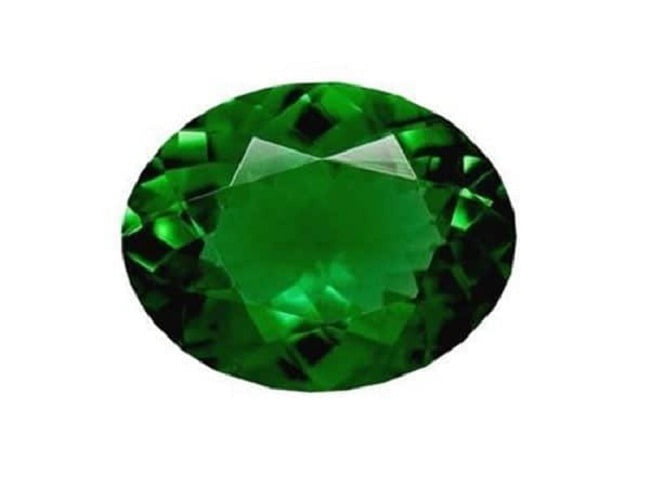
Certified Tourmaline Gemstone
Tourmaline is a crystal born aluminum silicate mineral, with magnesium, iron, sodium, lithium, potassium. Tourmaline name has come from the Sinhalese word “Turmali” mean “stone mixed with vibrant color” from Sri Lanka. These were brought from Sri Lanka by the Dutch East India Company, to satisfy demands of gems and jewels. It was sometimes called as “Ceylonese magnet” as it has the capacity to attract and repel the hot ashes. Tourmaline is one of the most versatile gemstones. It is unsurpassable stone, both on benefits and beauty. It is very versatile and brings a positive influence to everyone. It is a sensitive stone for sensitive people. It is subtle, gentle, yet powerful. One of the most exciting discoveries of this century was the discovery of Tourmaline unique variety in Paribas, Brazil.
Tourmaline is particularly admired for its exceptional range of natural colours and its ability to occur in single-colour, bi-colour, and multi-colour forms. Its natural colour combinations make each gemstone distinctive and attractive for both jewellery and gemstone collections.
Tourmaline is present in every color, in every tone from deep to pastel, and even with two or more colors appearing on the same stone side. The fascinating watermelon tourmaline looks just like watermelon, with the one part as green and the other part as red. It can become its own source of electric charge as it is both pyroelectric and piezoelectric. It shows that when gem is put under great pressure, or dramatically heated or cooled, it creates electrical charge capable of emitting infrared rays.
Tourmaline grows in columns, reminding us of the stalks of plants. It is a gem of translucent light, and sometimes has layers and layers of color. It is found in mines of Australia, Madagascar, Russia, Sri Lanka and USA
Tourmaline Gemology
Color-Light –Black, Brown, Blue, Green, red, Yellow, Watermelon, Blue-Green
Appearance-Shiny, Opaque or Transparent
Rarity-Easily obtained
Source-United States, Mexico, Russia, Brazil, India, Italy, Zimbabwe Afghanistan
Category-Cyclosilicate
Luster-Vitreous-Vitreous to resinous
Crystal structure-Trigonal
Mohs scale hardness-7-7.5
The quality of Tourmaline can vary depending on its colour, clarity, transparency, cut, size, origin, and natural inclusions. Certain rare colour varieties and exceptional specimens can command significantly higher prices than common Tourmaline.
Healing and Metaphysical Properties
Tourmaline has rainbow of colors and each color has its own healing quality. Black tourmaline transmutes negative energy. It cleanses, purifies, and transforms dense energy into lighter one. It is a shamanic stone, which brings protection during rituals. It can be used for scrying* and was traditionally used to find out the culprit. Natural tourmaline wands are useful healing tools. The clear the aura, remove blockages, disperse negative energy, and point to solutions for specific problems. They are excellent for balancing and connecting the chakras.
It has a strong association with the devic energies and is extremely beneficial for the garden and plants. It can act as a natural insecticide, keeping pests away, and buried in the soil, encourages the growth and health of all crops.
Psychologically, Tourmaline aids in understanding oneself and others. It promotes self confidence and removes fears. It is a powerful mental healer, balancing the right-left hemisphere of the brain.
Emotionally, Red, Yellow, and Brown stones are beneficial for sexuality and the emotional dysfunction. Physically, it heals mental tension and balances male-female energies
Tourmaline is also traditionally associated with grounding, protection, confidence, emotional balance, creativity, and positive energy. Different colours of Tourmaline are believed to have different metaphysical associations in crystal-healing traditions.
These healing and metaphysical claims are traditional beliefs and should not be considered a replacement for professional medical diagnosis or treatment.
Clarity and Inclusion
Different varieties of tourmaline, shows different clarity inclusions. Blue- Green colors are large and clean, while red and pink show eye-visible inclusions. The most common inclusion in this stone is light fractures and liquid filed heated structures.
Natural inclusions are common in Tourmaline and can provide information about the gemstone’s formation and characteristics. Clarity expectations can differ depending on the particular colour variety of Tourmaline.
Treatment and Enhancement
Most Tourmaline is untreated, while the variety of Paribas is heated to enhance the color.
Some Tourmaline may undergo treatments to improve its colour or appearance. Buyers should therefore consider whether an individual gemstone is natural, treated, or enhanced when purchasing a valuable specimen.
Tourmaline Colour Varieties
Tourmaline is available in a wide range of colours, including:
- Black Tourmaline
- Green Tourmaline
- Pink Tourmaline
- Red Tourmaline
- Blue Tourmaline
- Yellow Tourmaline
- Brown Tourmaline
- Watermelon Tourmaline
- Blue-Green Tourmaline
Each colour variety may have different appearance, availability, value, and traditional metaphysical associations.
This is a birth stone of October the different color of this stone rules different zodiac sign. This prized stone is rarely expensive, but the chrome indicolite and rubilite varieties are priced heavily. It is also used in jewelry items, studded in rings, pendants, bracelets and necklace along with precious gemstones.
Tourmaline Jewellery
Tourmaline is commonly used in rings, pendants, bracelets, and necklaces. Its wide range of colours allows it to complement both traditional and modern jewellery designs.
The durability of Tourmaline also makes it suitable for jewellery, although appropriate care is recommended to protect the gemstone from hard impact and harsh chemicals.
How to Choose Natural Tourmaline Gemstone
When purchasing Tourmaline, buyers can consider:
- Colour and colour intensity
- Transparency and clarity
- Cut and brilliance
- Carat weight
- Natural inclusions
- Origin
- Treatment or enhancement
- Gemological certification
A certificate from a reputable gemological laboratory can help document the characteristics of an individual gemstone.
Note: Corporate Supplies and Wholesale Requirement
Note: Corporate supplies and wholesale requirement: Please click here
We at Astrokapoor offer natural and certified gemstones of excellent quality. Each gemstone is passed from various tests by the team of our own gemologist and finally certified by government approved laboratories and best quality is picked for our clients. You can directly buy natural Tourmaline Gemstones from our online store by sending us your details and requirements. We offer best competitive rates to our clients. Kindly provide your requirement filling up the given form.
Vedic Mantra for Wearing
“Om sah budhae namah”
This completes the Pran Pratishtha of the gemstone and the person can directly wear this as it has already been energized.
The Six Key Steps in Examining a Stone
Whenever possible, examine stones unmounted.
Make sure the gem is clean.
Hold the unmounted stone so that your fingers touch only the girdle.
View the gem under proper lightning.
It is also useful to examine the gemstone under suitable lighting from multiple angles to understand its colour, clarity, brilliance, and natural inclusions.
Pran Pratishtha of Tourmaline Gemstone
Please note that all Gems are already energized (Pran Pratishtha) before sending to our clients by special Pundits and Purohits having in-depth knowledge of Vedas.
An auspicious day and nakshatra is chosen by client Name, Date of birth and Place by our Purohits.
A Matt is placed with its face towards East, North or North east while performing Pooja
The gemstone is washed with holy Gangajal applied Kum Kum.
An incense stick is lighted in front of the gemstone and mantra is enchanted along with marigold flowers in according to the concerned gemstone.
The Name of the person, Date of birth is enchanted by closing the eyes by Purohits according to the concerned gemstone.
This completes the Pran Pratishtha of the gemstone and the person can directly wear this as it has already been energized.
Frequently Asked Questions
What is Tourmaline gemstone?
Tourmaline is a naturally occurring cyclosilicate mineral known for its exceptional range of colours. It can occur in black, green, blue, pink, red, yellow, brown, watermelon, and other colour combinations.
What are the traditional benefits of Tourmaline?
Tourmaline is traditionally associated with protection, grounding, emotional balance, confidence, creativity, mental clarity, and positive energy. Different colour varieties may have different traditional metaphysical associations.
What is Watermelon Tourmaline?
Watermelon Tourmaline is a distinctive variety that commonly displays green and pink or red colours in the same gemstone, creating an appearance resembling the colours of a watermelon.
Is Tourmaline suitable for jewellery?
Yes. Tourmaline is commonly used in rings, pendants, bracelets, and necklaces. Its wide colour range makes it suitable for different jewellery styles, although it should be handled with reasonable care.
How do I choose a good-quality Tourmaline gemstone?
A Tourmaline can be evaluated based on its colour, clarity, transparency, cut, carat weight, origin, natural inclusions, treatment status, and certification. The value can vary significantly between different Tourmaline colour varieties.


