
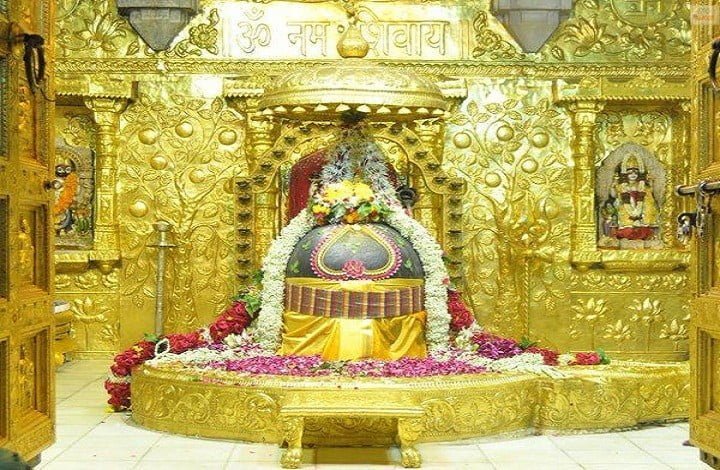
The word Jyotirlinga combines two Sanskrit terms — Jyoti (radiance or light) and Linga (the formless symbol of Lord Shiva). Together they mean “the pillar of infinite light.” According to Hindu tradition, a Jyotirlinga is a place where Lord Shiva manifested himself as a blazing column of light with no beginning and no end. There are 12 Jyotirlingas spread across India, and each one is considered a living centre of divine energy where devotees experience the raw, protective, and transformative power of Shiva. Understanding the power of Jyotirlinga is a beautiful way to connect spiritual devotion with the rhythms of the cosmos, something explored deeply in Vedic astrology.
What Is a Jyotirlinga and Why Is It So Powerful?
Unlike an ordinary Shivlinga, a Jyotirlinga is believed to be swayambhu — self-manifested rather than installed by human hands. This is why the power of a Jyotirlinga is considered far greater than any consecrated idol. Each shrine radiates a specific spiritual quality: healing, liberation, protection, or destruction of negativity. Pilgrims travel across the country to complete the darshan of all 12, a journey seen as one of the highest forms of devotion in Sanatan Dharma. The chanting of Shiva mantras at these sites is thought to multiply their effect, which is why the significance of mantra plays such a central role in Jyotirlinga worship.
The 12 Jyotirlingas of Lord Shiva
Below is the complete list of the 12 Jyotirlingas, their locations, and the unique spiritual power associated with each.
| # | Jyotirlinga | Location | Spiritual Significance |
|---|---|---|---|
| 1 | Somnath | Gujarat | The eternal, ever-restored shrine — symbol of resilience and Shiva’s compassion |
| 2 | Mallikarjuna | Srisailam, Andhra Pradesh | Union of Shiva and Parvati; peace and marital harmony |
| 3 | Mahakaleshwar | Ujjain, Madhya Pradesh | The lord of time; protection from untimely death |
| 4 | Omkareshwar | Madhya Pradesh | Shaped like “Om”; inner sound and meditation |
| 5 | Vaidyanath (Baidyanath) | Deoghar, Jharkhand | The divine healer; relief from illness and suffering |
| 6 | Bhimashankar | Near Pune, Maharashtra | Destruction of demonic forces; strength and courage |
| 7 | Rameshwaram | Tamil Nadu | Installed by Lord Rama; devotion and redemption |
| 8 | Nageshwar | Dwarka, Gujarat | Protection from poison, fear, and negativity |
| 9 | Kashi Vishwanath | Varanasi, Uttar Pradesh | Liberation (moksha); the spiritual heart of Bharat |
| 10 | Trimbakeshwar | Nashik, Maharashtra | Origin of the Godavari; release from karmic debts |
| 11 | Kedarnath | Himalayas, Uttarakhand | Self-realisation; the toughest and holiest pilgrimage |
| 12 | Grishneshwar | Daulatabad, Maharashtra | Blessings for family, children, and prosperity |
The Astrological Connection of the Jyotirlingas
One of the most fascinating aspects of the power of Jyotirlinga is its link with the zodiac. In Vedic thought, each Jyotirlinga is associated with a planetary energy or a sign, and worshipping the corresponding shrine is believed to strengthen weak planets in a birth chart. For example, Rameshwaram is connected with Aries — the sign where the Sun is exalted — which is why Lord Rama installed a Shivlinga there before his battle. Somnath resonates with Taurus, the sign of the exalted Moon, reflecting Shiva’s gentle and compassionate form.
This is where devotion meets astrology: a person going through a difficult planetary period, such as a challenging Mahadasha or Sade Sati, is often advised to visit or pray at the Jyotirlinga aligned with their weak planet. If you’re curious about how planetary periods shape your life, our guide on the time period of planets explains the concept in detail.
How to Worship at a Jyotirlinga
Jyotirlinga worship is simple yet deeply powerful. Devotees offer water, bilva (bael) leaves, milk, and honey to the linga while chanting Om Namah Shivaya or the Mahamrityunjaya Mantra. Mondays and the festival of Maha Shivratri are considered especially auspicious. Fasting, meditation, and reading about the many names of Lord Shiva further deepen the connection with the deity. The intention behind the worship matters more than the ritual’s grandeur — a sincere heart is the truest offering to Lord Shiva.
Why the Jyotirlingas Still Matter Today
In a fast-moving world, the 12 Jyotirlingas remain timeless anchors of faith, healing, and inner strength. They remind devotees that the divine light of Shiva exists not just in these temples but within every soul. Whether you seek peace of mind, protection during a tough phase, or spiritual liberation, connecting with the power of Jyotirlinga offers a path that has guided seekers for thousands of years.
Explore More at AstroKapoor
Frequently Asked Questions
What is a Jyotirlinga?
A Jyotirlinga is a sacred shrine where Lord Shiva is believed to have manifested himself as a self-born pillar of infinite light (jyoti). Unlike an ordinary Shivlinga installed by humans, a Jyotirlinga is swayambhu (self-manifested), which is why it is considered the most powerful form of Shiva worship. There are 12 such Jyotirlingas across India.
How many Jyotirlingas are there and where are they located?
There are 12 Jyotirlingas: Somnath (Gujarat), Mallikarjuna (Andhra Pradesh), Mahakaleshwar (Ujjain), Omkareshwar (Madhya Pradesh), Vaidyanath (Jharkhand), Bhimashankar (Maharashtra), Rameshwaram (Tamil Nadu), Nageshwar (Dwarka), Kashi Vishwanath (Varanasi), Trimbakeshwar (Nashik), Kedarnath (Uttarakhand), and Grishneshwar (Maharashtra).
What is the power and significance of a Jyotirlinga?
Each Jyotirlinga radiates a specific spiritual power — healing, protection, liberation, or the destruction of negativity. Visiting or worshipping at a Jyotirlinga is believed to remove obstacles, calm planetary afflictions, and bring the devotee closer to moksha (liberation). Completing the darshan of all 12 is regarded as one of the highest spiritual achievements in Sanatan Dharma.
Are the Jyotirlingas connected to astrology and zodiac signs?
Yes. In Vedic tradition, several Jyotirlingas are linked to specific zodiac signs and planetary energies. For example, Rameshwaram is associated with Aries (exalted Sun) and Somnath with Taurus (exalted Moon). Devotees going through difficult planetary periods are often advised to worship the Jyotirlinga aligned with their weak planet.
How should one worship at a Jyotirlinga?
Devotees offer water, bilva leaves, milk, and honey to the linga while chanting Om Namah Shivaya or the Mahamrityunjaya Mantra. Mondays and Maha Shivratri are the most auspicious times. A sincere, devoted heart is considered the most important offering.
