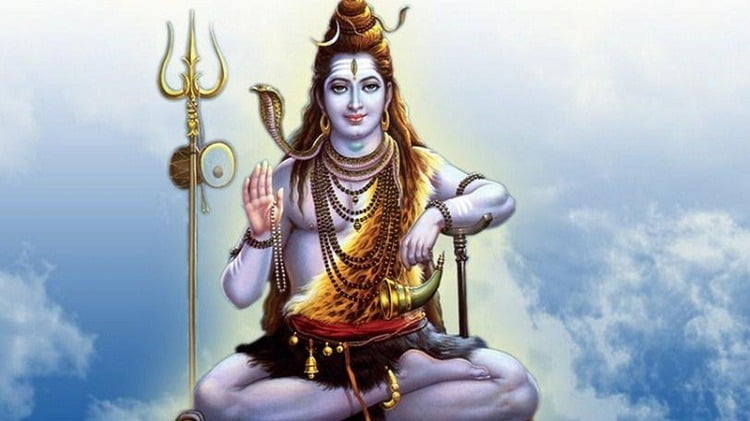
Lord Shiva is one of the most revered deities in Hinduism, worshipped as the creator, protector and destroyer within the cosmic cycle. Devotees call him by hundreds of sacred names, and each one reveals a different facet of his infinite nature — from the fierce destroyer of evil to the calm meditating ascetic. Chanting these names with devotion is believed to bring peace, protection and spiritual upliftment.
Why Lord Shiva Has So Many Names
Shiva’s many names exist because no single word can capture his boundless, multi-dimensional nature. Some names describe his physical form, others his cosmic functions, and still others his compassionate or spiritual qualities. Together they paint a complete picture of a deity who is at once the destroyer of ego, the lord of time, the master of dance and the source of eternal bliss. Reciting them is a form of worship in itself, drawing the devotee closer to Shiva’s grace.
Popular Names of Lord Shiva and Their Meanings
Here are some of the most widely chanted names of Lord Shiva and what each represents.
Names Describing His Cosmic Role
| Name | Meaning |
|---|---|
| Mahadeva | The greatest God |
| Mahakala | Lord of all times |
| Parameshwara | The supreme Lord |
| Rudra | The fierce destroyer |
| Hara | Remover of sins |
| Sadashiva | Eternal source of joy |
Names Describing His Form and Qualities
| Name | Meaning |
|---|---|
| Trilochana | The three-eyed Lord |
| Nilakantha | The blue-throated one |
| Nataraja | King of the art of dancing |
| Pashupati | Lord of all living beings |
| Aashutosh | One who fulfils wishes instantly |
| Digambara | One who wears the sky as clothing |
Shiva as Kaal Bhairava
Among Shiva’s many fierce forms is Kaal Bhairava, the guardian deity associated with time, protection and the removal of fear. Worshipping this form is believed to grant courage and dispel negativity — you can read more in our guide on how to worship Kaal Bhairava.
The Spiritual Significance of Chanting Shiva’s Names
Reciting the names of Lord Shiva — whether during Maha Shivaratri, on Mondays (Shiva’s sacred day), or in daily prayer — is considered a powerful spiritual practice. It calms the mind, deepens devotion, and is believed to attract Shiva’s blessings of health, protection and inner peace. Even chanting a single name such as “Om Namah Shivaya” with sincerity is said to carry immense grace.
Frequently Asked Questions
How many names does Lord Shiva have?
Lord Shiva is worshipped by hundreds of names — traditional compilations list 108 names, while extended collections include over a thousand. Each name describes a unique aspect of his nature, from his cosmic roles to his compassionate qualities.
What does the name Mahadeva mean?
Mahadeva means “the greatest God.” It is one of the most popular names of Lord Shiva and reflects his supreme position among the deities as the source, sustainer and dissolver of the universe.
Why is Lord Shiva called Nilakantha?
Lord Shiva is called Nilakantha, meaning “the blue-throated one,” because he drank the poison (halahala) that emerged during the churning of the ocean to save creation. The poison turned his throat blue, symbolising his sacrifice for the welfare of all beings.
What is the meaning of the name Aashutosh?
Aashutosh means “one who fulfils wishes instantly.” This name reflects Shiva’s compassionate, easily-pleased nature — devotees believe he blesses sincere worshippers quickly and generously.
Which is the most powerful mantra of Lord Shiva?
“Om Namah Shivaya” is regarded as the most powerful and popular mantra of Lord Shiva. Chanting it with devotion is believed to bring peace, protection, spiritual growth and Shiva’s divine blessings.
