
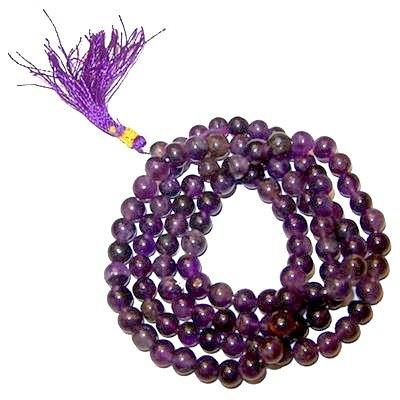
The Amethyst Mala, also known as Kataila Mala or Amethyst Rosary, is made from natural Amethyst gemstone beads. With its beautiful purple colour and long-standing spiritual associations, Amethyst is widely used in meditation, prayer, mindfulness and personal spiritual practices.
This Natural Amethyst Mala combines the beauty of Amethyst gemstone with the traditional purpose of a mala or rosary. It can be used during meditation, mantra chanting, prayer or kept as a meaningful gemstone accessory.
Amethyst Rosary-Kataila Mala Product Details
- Product Name: Amethyst Rosary – Kataila Mala
- Gemstone: Natural Amethyst
- Also Known As: Kataila Stone
- Product Type: Gemstone Mala / Rosary
- Material: Natural Amethyst Beads
- Colour: Natural shades of purple
- Suitable For: Meditation, prayer, spiritual practice and personal use
Natural gemstones can vary slightly in colour, clarity, pattern and appearance, making every Amethyst Stone Mala visually distinctive.
What Is an Amethyst Mala?
An Amethyst Mala is a gemstone rosary created using beads made from Amethyst.
Amethyst is the purple variety of the quartz mineral family. Its colour can vary from light lilac and violet to deeper purple shades.
In India, Amethyst is also commonly referred to as Kataila or Katela Stone, which is why an Amethyst Mala may also be searched for as a Kataila Mala, Kataila Stone Mala or Amethyst Kataila Mala.
A mala may be used for meditation, prayer, mantra chanting or other personal spiritual practices.
What Is Amethyst Stone?
Amethyst is a naturally occurring purple gemstone belonging to the quartz family.
It is admired for its distinctive violet and purple colours and has been valued in jewellery and traditional spiritual practices for centuries.
The colour of natural Amethyst may range from:
- Light lilac
- Soft violet
- Bluish purple
- Deep purple
- Reddish purple
Because Amethyst is a natural gemstone, individual beads may show small variations in colour and clarity.
Amethyst Mala Benefits
The Amethyst Mala benefits traditionally associated with crystal and spiritual practices primarily relate to meditation, calmness, clarity and spiritual awareness.
People traditionally use an Amethyst Mala with the intention of encouraging:
- Mental calmness
- Inner peace
- Meditation
- Concentration
- Spiritual awareness
- Emotional balance
- Positive thinking
- Self-reflection
- Mindfulness
- Clear intention during spiritual practices
These are traditional spiritual and crystal beliefs and should not be interpreted as medically proven health benefits.
Amethyst Mala for Meditation
An Amethyst Mala for meditation can be used as a physical point of focus during mindfulness and spiritual practices.
Many people find mala beads useful because moving from one bead to another creates a structured rhythm during meditation or mantra repetition.
Amethyst has traditionally been associated with calmness, wisdom and spiritual awareness, making an Amethyst Beads Mala a popular choice among people interested in meditation and personal spiritual development.
Amethyst Japa Mala for Mantra Practice
A Japa Mala is traditionally used to keep count while repeating a mantra, prayer or sacred phrase.
An Amethyst Japa Mala combines this traditional practice with natural Amethyst beads.
During japa or meditation, practitioners may move through the beads one at a time while repeating their selected mantra. The exact method of using a mala can differ according to religious, spiritual and personal traditions.
Amethyst Rosary for Spiritual Practice
The term Amethyst Rosary is also used for a string of Amethyst prayer or meditation beads.
An Amethyst Rosary may be used during:
- Meditation
- Mantra chanting
- Prayer
- Mindfulness
- Yoga practice
- Personal spiritual rituals
- Self-reflection
It may also be kept in a meditation room, prayer area or other peaceful personal space when not being used.
Kataila Mala Meaning
Kataila Mala is another name commonly used for a mala made from Amethyst stone.
Kataila refers to Amethyst in Indian gemstone terminology. Therefore, terms such as:
- Kataila Mala
- Kataila Stone Mala
- Amethyst Kataila Mala
- Amethyst Rosary
- Amethyst Stone Mala
- Amethyst Crystal Mala
may refer to similar products made using Amethyst gemstone beads.
Amethyst Mala and the Third Eye
Within certain crystal and spiritual traditions, Amethyst is associated with meditation, intuition and higher awareness. Because of these traditional associations, it is often connected with practices involving the Third Eye or Ajna Chakra.
An Amethyst Mala may therefore be selected by people who want to incorporate gemstone beads into meditation, concentration or spiritual-awareness practices.
These chakra associations belong to traditional spiritual systems and are not medical claims.
Amethyst Mala and Crown Chakra
Amethyst is also traditionally associated with the Crown Chakra or Sahasrara Chakra in some crystal practices.
The Crown Chakra is symbolically connected with higher awareness, consciousness and spiritual understanding.
For this reason, an Amethyst Crystal Mala is frequently chosen for meditation, contemplation and spiritual practices focused on inner awareness.
Amethyst – The Stone Traditionally Associated With Wisdom
Amethyst has long been associated in gemstone traditions with wisdom, clear thinking and calmness.
For people interested in crystal symbolism, wearing or meditating with an Amethyst Stone Mala may serve as a personal reminder to cultivate:
- Patience
- Awareness
- Wisdom
- Calm decision-making
- Self-control
- Positive intention
- Spiritual discipline
The effects attributed to crystals are based on traditional beliefs rather than established medical treatment.
Natural Amethyst Mala
A Natural Amethyst Mala is made using beads cut or shaped from naturally occurring Amethyst rather than simply using purple-coloured decorative material.
Natural Amethyst may display variations such as:
- Different shades of purple
- Colour zoning
- Natural inclusions
- Differences in transparency
- Minor variations between beads
These characteristics can naturally occur within gemstones and contribute to the individual appearance of a mala.
Natural Amethyst Mala vs Artificial Purple Beads
When choosing an original Amethyst Mala, buyers should distinguish natural gemstone beads from glass, plastic and other imitation materials.
Natural Amethyst belongs to the quartz family and may contain variations in colour and internal characteristics.
When buying an Amethyst Mala online, consider information about:
- Gemstone type
- Natural or synthetic status
- Bead quality
- Bead size
- Number of beads
- Mala length
- Treatment information, where available
- Product photographs
- Authenticity information
How to Use an Amethyst Mala
There are several ways an Amethyst Mala may be incorporated into personal spiritual practice.
For Meditation
Hold the mala comfortably and move through its beads while maintaining awareness of your breath or chosen meditation practice.
For Mantra Japa
Use the individual beads to help keep track of mantra repetitions according to your spiritual tradition.
For Prayer
An Amethyst Rosary may be incorporated into personal prayer or devotional practice where appropriate.
For Mindfulness
Holding and moving through the beads can provide a physical focal point during quiet reflection.
For Personal Spiritual Use
Some people may also keep or wear a gemstone mala as a symbolic reminder of their spiritual intentions.
How to Care for an Amethyst Mala
Proper handling can help preserve the appearance of natural Amethyst beads.
Consider the following care practices:
- Handle the mala gently.
- Keep it away from unnecessary impact.
- Avoid harsh household chemicals.
- Store it separately when not in use.
- Use a soft cloth for light cleaning.
- Avoid pulling or stretching the thread excessively.
- Store the mala in a clean and dry place.
Keeping your Amethyst Beads Mala safely stored can help protect both the gemstone beads and the stringing material.
Why Choose an Amethyst Kataila Mala?
An Amethyst Kataila Mala offers a combination of natural gemstone beauty and traditional spiritual significance.
It may be suitable for people looking for:
- A natural gemstone mala
- Meditation beads
- An Amethyst Rosary
- A Kataila Stone Mala
- A mala for mantra practice
- A gemstone accessory for mindfulness
- A spiritual gift
- A natural Amethyst bead mala
The attractive purple colour of Amethyst also makes the mala visually distinctive.
Frequently Asked Questions
What is an Amethyst Mala?
An Amethyst Mala is a gemstone rosary made from Amethyst beads. It can be used for meditation, prayer, mantra chanting, mindfulness or personal spiritual practices.
What is Kataila Mala?
Kataila Mala is a commonly used Indian name for a mala made from Amethyst or Kataila Stone. It may also be called Amethyst Mala, Amethyst Rosary or Kataila Stone Mala.
What are the benefits of wearing an Amethyst Mala?
Traditional crystal practices associate Amethyst with calmness, wisdom, concentration, meditation and spiritual awareness. These associations are based on traditional beliefs and should not be treated as medical benefits.
Is Amethyst good for meditation?
Amethyst is commonly used in modern crystal and spiritual practices associated with meditation and inner awareness. An Amethyst Mala also provides physical beads that can be used to maintain rhythm or count repetitions during meditation or mantra practice.
Can Amethyst Mala be used for japa?
Yes. An Amethyst Mala may be used for mantra japa according to an individual’s religious or spiritual practice.
Is Amethyst Mala connected with the Third Eye Chakra?
In certain spiritual traditions, Amethyst is associated with the Third Eye or Ajna Chakra and practices involving intuition and awareness. This is a traditional spiritual association rather than a scientifically established effect.
Which chakra is associated with Amethyst?
Amethyst is commonly associated in crystal traditions with the Crown Chakra and, in some practices, the Third Eye Chakra.
Is Amethyst a blue or purple gemstone?
Amethyst is a purple variety of quartz. Depending on the stone, its colour may range from pale lilac to deep violet or reddish purple.
Is Kataila Stone the same as Amethyst?
Kataila or Katela is a name commonly used for Amethyst in India. Therefore, Kataila Mala and Amethyst Mala are often used to describe the same general type of gemstone rosary.
How should I clean an Amethyst Mala?
Clean the beads gently with a soft cloth and avoid harsh chemicals or rough handling. The mala should be stored carefully to protect both the gemstone beads and the thread.
Buy Natural Amethyst Mala – Kataila Rosary
The Amethyst Rosary-Kataila Mala from AstroKapoor is made from natural Amethyst beads and is suitable for meditation, prayer and personal spiritual practice.
Whether you are searching for a Natural Amethyst Mala, Amethyst Stone Mala, Amethyst Rosary, Kataila Mala, Amethyst Japa Mala or Amethyst Beads Mala, choose the product according to its gemstone quality, appearance and your intended spiritual use.


