
Why Do We Offer Coconuts to Gods? Meaning & Significance
The coconut is one of the most sacred and essential offerings in Hindu worship — present in almost every puja, ritual, housewarming and auspicious beginning. But why do we offer coconuts to the gods, and why do we break one before the deity? Behind this simple fruit lies deep symbolism about ego, purity, sacrifice and selfless devotion. This guide explains the beautiful meaning of the coconut offering in Hindu tradition.
Coconut in Place of Sacrifice
In ancient times, some rituals involved animal or symbolic sacrifice. The coconut emerged as a humane, sattvic replacement — a holy fruit offered in place of any living sacrifice. With its hard shell, soft white kernel and sweet water inside, it became the perfect symbolic offering: pure, wholesome, and free of harm.
Sriphala – The Fruit of the Gods
In Sanskrit, the coconut is called “Sriphala,” meaning the “fruit of God” or “fruit of Goddess Lakshmi.” This sacred status is why no auspicious ceremony — a wedding, a new home, a new venture, or daily puja — is considered complete without offering a coconut to the deity.
The Coconut & the Human Ego
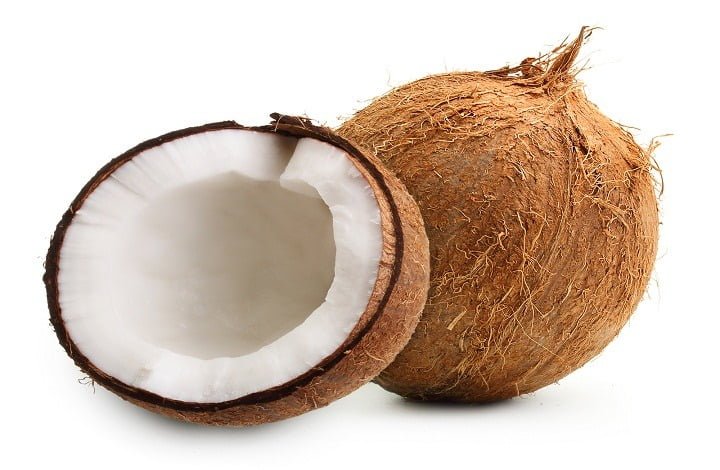
The deepest meaning of the coconut lies in what it represents: the human ego. The rough, hard outer shell is like the human head and our outer pride, while the water inside represents our inner desires and vasanas. When we break the coconut before God, we symbolically break our ego and surrender our desires at the feet of the divine — offering the pure, white kernel of a humble, cleansed heart.
The Three Eyes of Shiva
Look closely at a coconut and you’ll see three natural marks (eyes) on its top. These are said to represent the three eyes of Lord Shiva — giving the coconut a direct and sacred connection to the deity, and adding to its status as a divine offering.
The Selfless Fruit
The coconut tree is a symbol of complete, selfless giving. Every part of it is useful — the water and kernel as food, the oil, the leaves, the husk, the shell and the trunk all serve a purpose. Just as the tree gives everything without holding back, the coconut teaches the value of selfless devotion and service.
The Coconut in Puja
Because of all these meanings, the coconut is a core part of Hindu ritual — offered alongside flowers, incense, sacred cloth and other items. Placed on a kalash, broken before the deity, or given as prasad, it carries prayers of purity, surrender and auspiciousness.
Explore Vedic Wisdom with AstroKapoor
For guidance on rituals, pujas and your own chart, connect with our experts — book an Astrology Consultancy or explore our Vedic Yagyas.
Frequently Asked Questions
Why do we offer coconuts to gods?
The coconut is offered as a pure, humane replacement for sacrifice and as “Sriphala,” the fruit of God. It symbolises surrendering the ego and inner desires to the divine, and its three natural eyes connect it to Lord Shiva.
Why do we break a coconut before God?
Breaking a coconut symbolises breaking the human ego and surrendering our desires at the feet of the divine. The hard shell represents pride and the head, while the pure white kernel inside represents a humble, cleansed heart.
What is the meaning of Sriphala?
Sriphala is the Sanskrit name for the coconut, meaning the “fruit of God” or of Goddess Lakshmi. This sacred status makes it an essential offering in Hindu worship and auspicious ceremonies.
Why does a coconut represent Lord Shiva?
A coconut has three natural marks or “eyes” on its top, which are said to represent the three eyes of Lord Shiva, giving it a direct and sacred connection to the deity.
What does the coconut symbolise in Hinduism?
The coconut symbolises purity, selfless devotion and the surrender of the ego. Like the coconut tree, whose every part is useful, it represents giving completely and offering a humble heart to God.
