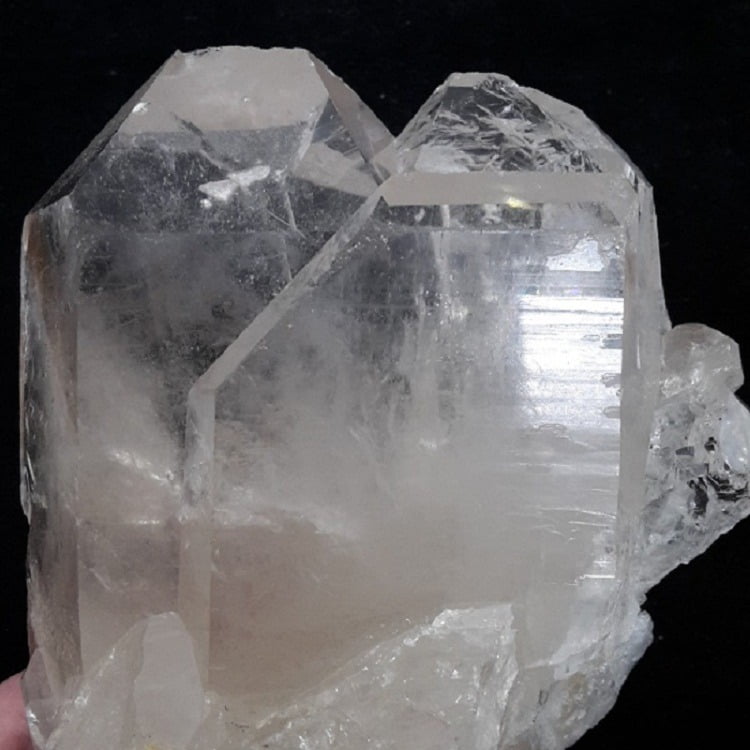
Quartz is one of the most abundant and versatile minerals on Earth, appearing in a remarkable range of natural formations. Beyond the familiar clear crystal, quartz occurs in special shapes and inclusions that crystal enthusiasts prize for their beauty and energy. This guide explores the fascinating varieties of quartz — each with a distinctive form and its own place in crystal healing traditions.
Why Quartz Is So Valued
Quartz has long been treasured both as a gemstone and as a healing crystal. Its clarity, durability and the many forms it takes make it a favourite for jewellery, meditation and energy work. In metaphysical belief, quartz is regarded as a master healer that amplifies intention and clears stagnant energy — which is why each of its varieties is thought to carry a slightly different quality.
The Main Varieties of Quartz
Below are the notable quartz formations, each defined by how its crystal grows or what it contains.
Special Formation Quartz
| Variety | Form | Metaphysical Association |
|---|---|---|
| Scepter Quartz | A crystal formed around a central rod | Transmits healing energy, clears mental illusions |
| Sheet Quartz | A clear, flat formation between crystals | Said to enhance psychic ability and insight |
| Spiral Quartz | A twisted pattern along its axis | Balance; believed to stimulate kundalini through the chakras |
| Laser Quartz | Slender crystal with small faces and curved sides | Focuses energy intensely; helps release attachments |
Inclusion and Coloured Quartz
| Variety | Description | Metaphysical Association |
|---|---|---|
| Tourmalinated Quartz | Contains strands of black tourmaline | Clears energy blockages, dissolves negative patterns |
| Smoky Quartz | Dark grey to brown quartz | Removes negativity and offers grounding protection |
Smoky Quartz — The Protective Grounding Stone
Among these, smoky quartz is one of the most popular. Its dark, translucent colour is associated with grounding, protection and the removal of negative energy, making it a favourite for those seeking calm and stability. It is often worn as jewellery or kept in living spaces for its steadying presence.
Metaphysical Uses of Quartz Varieties
Crystal practitioners use different quartz forms for meditation, energy clearing and chakra work — laser quartz to direct focused intention, tourmalinated quartz to dispel negativity, and spiral quartz for balance.
Note: These are traditional metaphysical beliefs valued for mindfulness and emotional wellbeing, not scientifically proven effects, and are not a substitute for medical care.
If you’d like to understand gemstones more broadly, see our overview of what gemstones are and browse our full Gemstones collection.
Frequently Asked Questions
What are the main varieties of quartz?
The main varieties covered here include scepter quartz, sheet quartz, spiral quartz, laser quartz, tourmalinated quartz and smoky quartz. Each is defined by its unique crystal formation or inclusions, and each carries its own metaphysical association in crystal healing traditions.
What is smoky quartz good for?
Smoky quartz is a dark grey to brown variety associated with grounding and protection. In crystal traditions it is believed to remove negative energy and provide a calming, stabilising influence, which is why it is popular for jewellery and living spaces.
What is tourmalinated quartz?
Tourmalinated quartz is clear quartz containing dark strands of black tourmaline running through it. It is valued in crystal healing for its believed ability to clear energy blockages and dissolve negative or destructive patterns.
What is laser quartz used for?
Laser quartz is a slender crystal with small faces and curved sides that tapers to a point. It is believed to focus and direct energy intensely, making it a favourite tool for meditation, intention-setting and releasing emotional attachments.
Is quartz a healing crystal?
In metaphysical traditions, quartz is regarded as a master healing crystal believed to amplify intention and clear stagnant energy. These are traditional beliefs valued for mindfulness and emotional comfort, and are not a substitute for professional medical care.
