
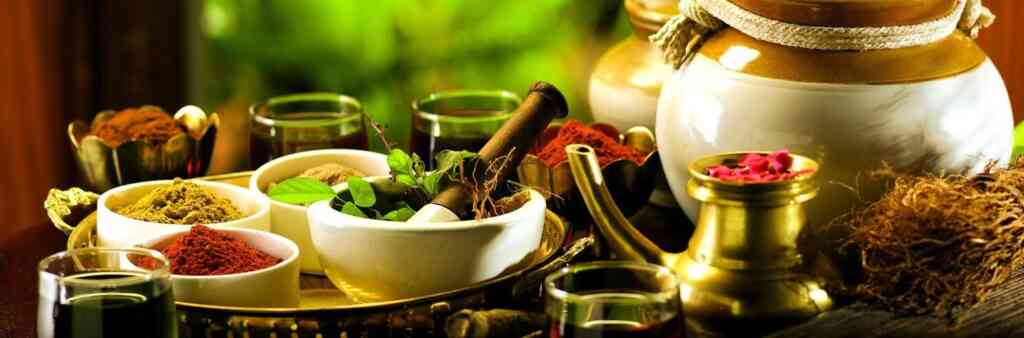
Ayurveda is one of the oldest systems of medicine in the world, and it has addressed intimacy and vitality for more than three thousand years. Ayurvedic medicine for sex power works on a simple principle: sexual vitality is not a separate problem to be fixed, but a reflection of the body’s overall balance.
Intimacy is one of the natural needs of the human body. Like every other bodily function, it is meant to be simple — yet it becomes complicated the moment the mind gets involved. When intimacy is allowed to unfold naturally, without pressure or performance, the body responds easily. When it is rushed, forced, or burdened with anxiety, it resists.
This guide explains how Ayurveda understands low sex drive, what causes it, and which herbs are traditionally used to support vitality in both men and women.
Please note: Ayurvedic herbs are traditional wellness preparations, not a substitute for medical diagnosis. Persistent low libido, erectile difficulty, or infertility can point to an underlying medical condition — diabetes, thyroid imbalance, low testosterone, cardiovascular issues, or medication side effects. Consult a qualified physician first. Everything below is meant to work alongside that care, not in place of it.
Sex Power and Ayurveda
Ayurveda organises the body around three governing principles, known as doshas — Vata, Pitta, and Kapha. An imbalance in any one of them can reduce or extinguish sexual desire.
Sexual vitality in classical Ayurveda falls under Vajikarana, one of the eight branches of the system, which concerns reproductive strength and the health of shukra dhatu — the reproductive tissue.
- Vata imbalance is traditionally linked with anxiety, restlessness, and difficulty sustaining arousal.
- Pitta imbalance is linked with irritability, excess heat, and burnout.
- Kapha imbalance is linked with heaviness, lethargy, and reduced desire.
Beyond the doshas, Ayurveda places unusual emphasis on the conditions around intimacy rather than the act itself. Both partners should enjoy it equally. Touch and ambience matter. Misunderstanding between partners should be resolved before it settles into the body. And intimacy is best initiated around two hours after dinner — the body should not be diverting its energy to digestion.
Causes of Low Sex Power
Low sex power rarely has a single cause. These are the factors we encounter most often:
1. Stress and mental fatigue A calm mind is the precondition for a healthy sex life. Chronic work pressure, financial worry, and poor sleep are among the most common causes of low libido — and among the most reversible.
2. Performance anxiety The moment intimacy becomes a test, it stops working. Performance anxiety is self-reinforcing: the worry produces the very outcome that is feared, which then deepens the worry.
3. Misunderstanding between partners Unresolved conflict does not stay inside the argument. Emotional distance almost always shows up physically before either partner is willing to name it.
4. Poor communication Many couples have never actually told each other what they enjoy. Silence gets read as disinterest, and over time disinterest becomes real. Asking your partner what they like is not an awkward conversation — it is the whole conversation.
5. Lifestyle factors Sedentary routines, excess weight, alcohol, tobacco, irregular sleep, and heavily processed food all affect circulation, hormones, and energy — and therefore vitality.
6. Underlying medical conditions Diabetes, thyroid disorders, hypertension, depression, and several common blood-pressure and antidepressant medications are frequent causes that go unnoticed. This is why medical evaluation should come first.
The Ayurvedic Regimen for a Healthy Sexual Life
Ayurveda places daily routine — dinacharya — ahead of any medicine. No herb compensates for a routine working against it.
- Exercise regularly. Movement improves circulation and mood, the two things libido depends on most.
- Eat for strength. Ayurveda favours nourishing, shukra-building foods: ghee, milk, almonds, dates, urad dal, and adequate protein and healthy fat.
- Avoid tight clothing. Restrictive, non-breathable fabric raises local temperature — classical texts and modern reproductive medicine agree on this point.
- Practise moderation. Ayurveda counsels balance in sexual expenditure, neither excess nor suppression.
- Practise yoga daily. Bhujangasana, Dhanurasana, Setu Bandhasana and Kapalbhati are traditionally associated with pelvic circulation and reproductive health.
- Maintain a healthy body weight. Weight directly affects hormone balance, and hormone balance directly affects desire.
- Protect your sleep. Testosterone is largely produced during deep sleep. Nothing else on this list works without it.
Ayurvedic Medicine for Sex Power: Six Classical Herbs
These are the herbs cited most often in classical Vajikarana formulations. They should be taken only under the supervision of a qualified Ayurvedic practitioner, who will select the herb and dose according to your constitution.
Ashwagandha (Withania somnifera)
The best-known adaptogenic tonic in Ayurveda. Traditionally used to reduce stress and support stamina and vitality in both men and women. Given how often low sex drive traces back to stress, this is usually where a practitioner begins.
Kaunch Beej (Mucuna pruriens, cowhage)
One of the classical Vajikarana herbs, traditionally used to support desire and sustained vitality. Known for its natural L-DOPA content.
Safed Musli (Chlorophytum borivilianum)
Traditionally used to nourish the reproductive system and support vitality in both men and women. (Safed musli is Chlorophytum borivilianum — a distinct plant, not fennel or nigella seed.)
Shatavari (Asparagus racemosus)
The primary female tonic in Ayurveda. Its name translates roughly as “she who possesses a hundred husbands,” which tells you how classical texts regarded it. Traditionally used to support female hormonal balance and fertility.
Shuddh Shilajit (Asphaltum punjabianum)
A mineral-rich resin from the Himalayas, traditionally used to support energy, stamina, and performance. Purity is critical here — only purified (shuddh) shilajit from a trusted source should ever be used.
Garlic (Allium sativum)
The humblest herb on this list. Traditionally used to support circulation and reduce exhaustion in both men and women — and circulation is not a small part of this conversation.
Our Approach at AstroKapoor
At AstroKapoor we look at low sex power through Medical Astrology, Vedic Astrology, Gem Therapy and Ayurveda together. In classical Jyotish, the 7th house governs partnership and intimacy, the 8th house relates to reproductive vitality, and Venus (Shukra) is the natural significator of desire. Affliction to these houses or to Shukra is traditionally read as a period of reduced vitality.
We treat this as insight, not diagnosis. Astrological analysis helps identify timing, temperament, and the emotional patterns beneath a difficulty — and works best alongside proper medical evaluation and qualified Ayurvedic guidance.
Mr. Vipin Kapoor and Medical Astrologer Prashant Kapoor bring more than 45 years of experience to this consultation, with clients across India, the USA, and the UK.
FAQs
1. What is the best Ayurvedic medicine for low sex power?
Ayurveda traditionally recommends herbs such as Ashwagandha, Safed Musli, Shilajit, Kaunch Beej, Shatavari, Garlic, Nutmeg, and Amla to support sexual vitality and reproductive health. The right combination depends on an individual’s body constitution and underlying health condition, so consultation with a qualified Ayurvedic practitioner is recommended.
2. Can Ayurvedic medicine improve low libido naturally?
Ayurvedic medicine aims to improve low libido by addressing the root causes, including stress, poor lifestyle, hormonal imbalance, and dosha imbalance. Along with herbal remedies, Ayurveda emphasizes a nutritious diet, regular exercise, yoga, adequate sleep, and stress management for long-term sexual wellness.
3. How long does Ayurvedic treatment for low sex power take to show results?
The response to Ayurvedic treatment varies depending on age, lifestyle, overall health, and the severity of the condition. Some individuals may notice improvements within a few weeks, while others may require a longer, personalized treatment plan combined with healthy lifestyle changes.
4. Is Ayurvedic medicine for low sex power safe?
When prescribed by a qualified Ayurvedic practitioner and obtained from reputable sources, Ayurvedic medicines are generally considered safe for most people. Self-medication or using unverified products should be avoided, especially if you have existing medical conditions or are taking prescription medications.
5. Can Ayurveda permanently cure low sex power?
Ayurveda focuses on identifying and addressing the underlying causes of low sex power rather than offering a temporary solution. By combining personalized herbal formulations, dietary guidance, exercise, yoga, and healthy lifestyle habits, it aims to support lasting improvements in sexual health and overall well-being. Individual results can vary depending on the cause of the condition.
