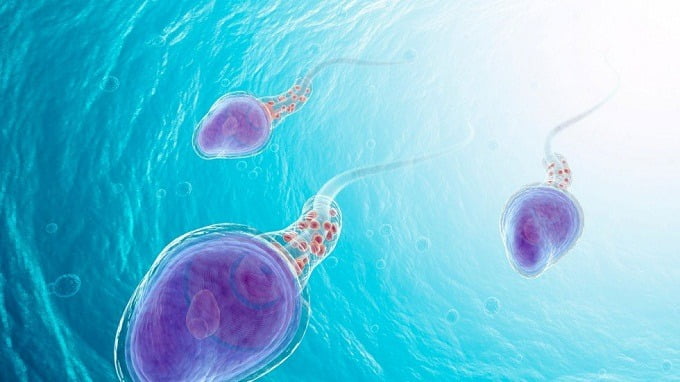
Azoospermia is a male infertility condition in which no measurable sperm are found in the semen or ejaculate. It is commonly called nil sperm count or zero sperm count. Azoospermia should not be confused with low sperm count, known as oligospermia, where sperm are present but in reduced numbers.
A man with azoospermia may have normal sexual desire, ejaculation and sexual function, which is why the condition may remain unnoticed until a couple experiences difficulty conceiving. Proper semen analysis and fertility evaluation are necessary to confirm the diagnosis and identify its cause.
People searching for Azoospermia Ayurvedic Treatment may explore Ayurveda as complementary reproductive-health support alongside appropriate medical diagnosis and treatment.
Is Azoospermia Curable?
Whether azoospermia is curable depends on its underlying cause. Certain obstructive and hormonal causes may be treatable, while genetic or severe testicular conditions may not be completely reversible.
Some men may regain sperm in their semen after appropriate treatment. In other cases, fertility specialists may retrieve sperm directly from the testes or epididymis for use with assisted reproductive techniques such as IVF and ICSI.
Ayurveda traditionally focuses on lifestyle, diet, herbs and overall reproductive wellness. However, Ayurvedic treatment cannot be guaranteed to cure every form of azoospermia.
AstroKapoor also studies fertility-related concerns using Medical Astrology. Astrological analysis can be used as complementary spiritual guidance but cannot diagnose azoospermia or replace laboratory fertility testing.
Obstructive Azoospermia
Obstructive azoospermia occurs when sperm are being produced in the testes but cannot enter the semen because of a blockage or missing connection in the reproductive tract.
Possible causes may include:
- Previous reproductive surgery
- Vasectomy
- Infection or inflammation
- Injury or scarring
- Ejaculatory-duct obstruction
- Congenital absence of the vas deferens
Depending on the location and cause of the blockage, microsurgery may sometimes restore sperm flow. In other cases, sperm can potentially be retrieved for assisted reproduction.
Non-Obstructive Azoospermia
Non-obstructive azoospermia (NOA) occurs when sperm production within the testes is severely impaired or absent.
Possible causes include:
- Hormonal disorders
- Genetic conditions
- Testicular damage
- Varicocele in selected cases
- Chemotherapy or radiation
- Certain medicines or toxins
- Problems affecting the pituitary or hypothalamus
Some hormonal causes may respond to appropriate medical therapy. In selected cases of non-obstructive azoospermia, techniques such as micro-TESE may be used to search for sperm within the testes.
Evaluation of Male Infertility and Azoospermia
A detailed fertility evaluation is important before starting any treatment. Doctors may review past medical history, lifestyle, medicines, previous surgery, infections and family history.
Semen Analysis
Semen analysis is the primary test used to identify azoospermia. If no sperm are found, repeat testing may be recommended to confirm the diagnosis.
The laboratory may also examine a concentrated or centrifuged semen sample to look carefully for very small numbers of sperm.
Hormone Level Testing
Hormonal testing may include FSH and testosterone, particularly in men with azoospermia or signs of hormonal problems. Additional hormone tests may be recommended depending on the results.
Genetic Testing
Selected men with azoospermia may require genetic testing, particularly when impaired sperm production is suspected. Tests may include chromosome analysis and Y-chromosome microdeletion testing.
Ultrasound and Imaging
Ultrasound or other imaging may sometimes be recommended to examine the testes or reproductive tract. Imaging is generally selected according to the suspected cause rather than being required for every patient.
Azoospermia Treatment in Ayurveda
Azoospermia treatment in Ayurveda traditionally focuses on improving general wellbeing, maintaining a disciplined lifestyle and supporting reproductive health through diet, herbs and other Ayurvedic practices.
Ayurvedic concepts may consider factors related to Shukra Dhatu, physical strength, digestion, stress and overall balance.
Traditional herbs commonly discussed for male reproductive wellness include:
- Ashwagandha
- Shilajit
- Safed Musli
- Kapikacchu or Mucuna Pruriens
- Gokshura
- Amla
Vajikarana Therapy is another traditional branch of Ayurveda concerned with vitality and reproductive wellness.
These herbs and therapies should not be assumed to restore sperm production in every case. Their selection and dosage should be supervised by an appropriately qualified professional, particularly when the patient is also receiving fertility medicines or other treatments.
Ayurveda, Lifestyle and Male Fertility
A healthy lifestyle can support overall reproductive health alongside medical or Ayurvedic treatment.
Helpful measures may include maintaining a healthy body weight, eating a nutritious diet, exercising regularly, getting adequate sleep and managing chronic stress.
Men concerned about fertility should also avoid smoking, recreational drugs and unnecessary exposure to excessive heat or harmful chemicals. Medicines or supplements that may affect fertility should be discussed with a healthcare professional rather than stopped without advice.
Medical Astrology and Azoospermia
AstroKapoor also provides traditional Medical Astrology guidance for azoospermia and male infertility. In astrology, planetary positions, the fifth house, progeny-related combinations and other horoscope factors may traditionally be studied.
Astrological consultation may provide a spiritual or traditional perspective, but it cannot establish whether a man has obstructive or non-obstructive azoospermia. Medical diagnosis requires semen analysis and appropriate clinical investigations.
Individuals who want to combine Ayurveda or Medical Astrology with fertility care should ideally use these approaches as complementary support rather than delaying medical diagnosis or specialist treatment.
Treatment Options for Azoospermia
The right treatment depends on the cause of azoospermia.
Treatment options may include:
- Hormonal treatment for selected hormonal disorders
- Microsurgical correction of certain obstructions
- Treatment of relevant underlying medical conditions
- Surgical sperm retrieval
- IVF or ICSI when appropriate
- Complementary diet and lifestyle support
There is therefore no single treatment that is suitable for every patient.
Get your Azoospermia Solution to explore AstroKapoor’s traditional Ayurveda and Medical Astrology guidance alongside appropriate fertility care.
FAQs About Azoospermia Ayurvedic Treatment
1. What is azoospermia?
Azoospermia is a male infertility condition in which no measurable sperm are found in the ejaculate. It is commonly called nil sperm count or zero sperm count.
2. Is azoospermia the same as low sperm count?
No. Azoospermia means sperm are absent from semen, while oligospermia means sperm are present but in reduced numbers.
3. Can azoospermia be cured?
Some causes of azoospermia can be treated or reversed, while others cannot. The possibility of recovery depends on whether the cause is obstructive, hormonal, genetic or related to impaired sperm production.
4. Can Ayurveda treat azoospermia?
Ayurveda may provide complementary support through diet, lifestyle and traditional herbs, but it cannot be guaranteed to cure every type of azoospermia. Medical evaluation remains essential.
5. Which tests are used to diagnose azoospermia?
Semen analysis is the main diagnostic test. Depending on the individual case, hormone tests, genetic testing, physical examination and selected imaging may also be recommended.
