
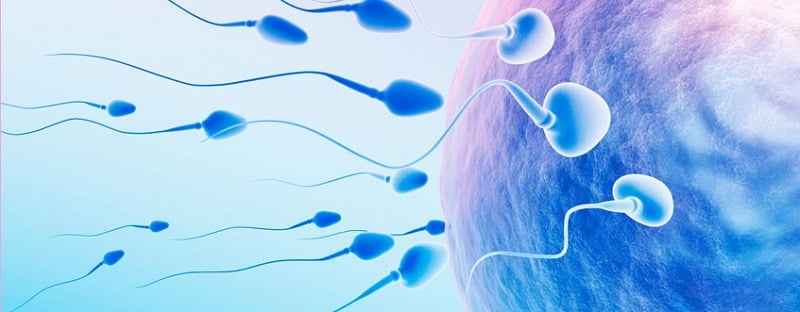
Azoospermia: Is the medical condition in which the male has any measurable level of sperm in his semen. It is due to very low levels of fertility or even sterility. In the male, azoospermia affects about 1.1% to 21% of the male population.
Azoospermia is an important male fertility concern because sperm may be absent from the semen despite normal ejaculation. Identifying whether the condition is related to sperm production or sperm transport is important for determining appropriate medical management.
Classification of Male Infertility – Azoospermia
Azoospermia can be classified into two major types. Oligospermia and Azoospermia.
Pretesticular Azoospermia
Pretesticular azoospermia: Pretesticular azoospermia can be caused due to inadequate stimulation of otherwise normal testicles and genital tract of the male reproductive system. Typically, follicle-stimulating hormone (FSH) levels are low (hypogonadotropic) mixed with inadequate stimulation of the testes to produce sperm. Examples that can cause pre testicular Azoospermia is hypopituitarism (for various causes), hyperprolactinemia, and exogenous FSH suppression by testosterone. Chemotherapy can also cause the damage to the testis.
This type of Azoospermia is generally associated with hormonal or signaling problems that interfere with normal sperm production. Detailed hormonal evaluation can help identify the underlying factor.
Testicular Azoospermia
Testicular azoospermia: In this situation, the testes become abnormal, atrophic, or absent. The sperm production is severely disturbed and it may be absent sometimes. FSH levels are increased as the feedback loop is interrupted. This condition is seen in 50-955 of a male with Azoospermia.
The cause of testicular failure includes congenital diseases such as in certain genetic reasons (e.g. Klinefelter syndrome).
Testicular causes may require detailed assessment of testicular function, hormone levels, and genetic factors. A fertility specialist can recommend appropriate investigations according to the individual case.
Posttesticular Azoospermia
Posttesticular azoospermia: In post-testicular azoospermia sperms are not ejaculated although produced. A condition that can more than affects 7-51% of azoospermic men. The main cause of this is a physical obstruction (obstructive azoospermia) of the post-testicular genital tracts. Vasectomy done is the most common reason to induce contraceptive sterility. Other reasons can be congenital (example agenesis of the vas deferens as seen in certain cases of cystic fibrosis)
Ejaculatory disorders include retrograde ejaculation and ejaculation. In this condition, the sperms are produced but not expelled.
Posttesticular Azoospermia can therefore involve blockage or problems with sperm transport and ejaculation rather than the complete absence of sperm production.
AYURVEDIC TREATMENT FOR AZOOSPERMIA
There is no complete treatment of azoospermia in allopathic treatment so s ayurvedic treatment is the most preferred treatment for this condition. The treatment includes both medicinal treatment as well as panchkarma treatment for the same.
Ayurvedic approaches may include traditional medicines, dietary guidance, and Panchkarma-based therapies depending on the individual’s condition. These approaches should be personalized and followed under the supervision of a qualified Ayurvedic practitioner.
Medicinal Treatment for Azoospermia
Medicinal Treatment include the use of herbs that are useful in increasing the sperm count of the patients e.g. Musli sufed, Munjatak, Makkhan, Ashwagandha, Shatavari, etc.
The selection and dosage of herbs should be determined according to the individual’s health condition and fertility assessment. Self-medication should be avoided, especially when other medicines or treatments are being used.
Ayurvedic Panchkarma Treatment
Ayurvedic Panchkarma therapies can be helpful in curing the condition of Azoospermia and Oligospermia. The Panchkarma therapy is very useful in curing the condition of this cause. Panchkarma product such as Uttar basti is very useful for this condition.
Because Azoospermia can have hormonal, genetic, obstructive, or testicular causes, appropriate medical investigation is important alongside any complementary or traditional treatment.
Frequently Asked Questions
What is Azoospermia?
Azoospermia is a condition in which no sperm are detected in a man’s semen. It can result from problems with sperm production, hormonal stimulation, sperm transport, or ejaculation.
What are the main types of Azoospermia?
The main classifications are pretesticular, testicular, and posttesticular Azoospermia. Pretesticular causes are generally related to hormonal stimulation, testicular causes involve impaired sperm production, and posttesticular causes are commonly associated with sperm transport or ejaculation problems.
What can cause Azoospermia?
Azoospermia can have several causes, including hormonal disorders, genetic conditions, testicular abnormalities, certain infections or treatments, physical obstruction, previous vasectomy, and ejaculatory disorders.
Can Azoospermia be treated?
Treatment depends on the underlying cause. Depending on the diagnosis, medical management may address hormonal problems, obstruction, infections, or other contributing conditions. Some cases may also require specialized fertility treatment.
Can Ayurveda be used for Azoospermia?
Ayurveda may be used as a complementary approach for fertility concerns and can include traditional medicines and Panchkarma therapies. However, Azoospermia should first be properly evaluated by a qualified fertility specialist to identify its underlying cause.
