
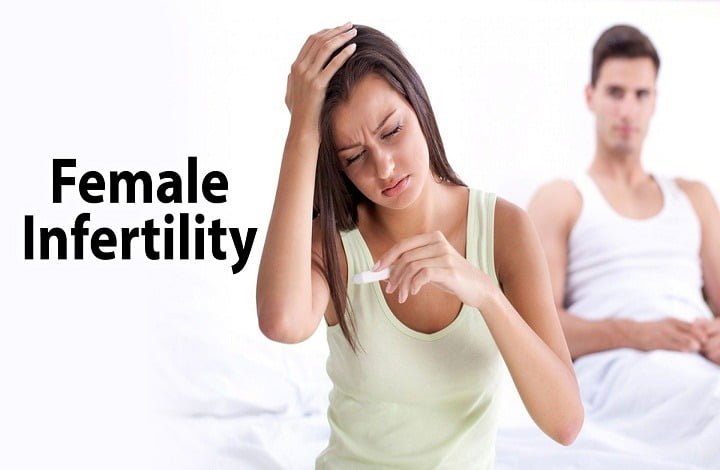
Female Infertility Treatment with Ayurveda
Female Infertility can be treated by Ayurvedic herbs. Ayurvedic treatment is very effective for the treatment of female infertility. Ayurveda suggests certain herbs for the treatment of Female infertility.
Ayurveda traditionally emphasizes maintaining overall reproductive health, balanced nutrition, healthy routines, and appropriate care of the reproductive system. For couples experiencing difficulty conceiving, identifying potential medical causes and seeking guidance from qualified healthcare professionals is important.
Factors Involved for Healthy Offspring
There are various factors which are involved in the creation of healthy offspring. According to Ayurveda, conception occurs due to healthy sperm, healthy ovum and healthy uterus. Reproductive health for both the partners depends upon the healthy sperm and ova. In women, the ovum is produced by Shukra tatva. In male semen is produced by the sexual stimulation. Healthy Shukra tissue depends on the health of the partners. If health of the any one of the partner is weak, then it can create unhealthy offspring.
From a traditional Ayurvedic perspective, healthy conception is associated with the condition of both partners, including reproductive tissues and overall physical well-being. Modern fertility care also considers factors such as ovulation, ovarian reserve, sperm health, uterine and tubal conditions, age, hormones, and other medical factors.
Ayurvedic Herbs Traditionally Suggested for Female Infertility
Ayurveda describes various herbs and preparations that have traditionally been used to support reproductive health. However, herbal medicines can have side effects, interactions, and contraindications, so they should only be taken under the supervision of a qualified Ayurvedic practitioner or healthcare professional.
Agnus Castus (Vitex Agnus Castus)
This herb helps to restore any hormone imbalance and increases fertility. It has been found that 50 women diagnosed with infertility 7 has been found to be pregnant daily for three month, and rest of them attained normal progesterone level.
Vitex agnus-castus is traditionally used in some herbal approaches for menstrual and reproductive health. Its suitability can vary depending on an individual’s medical history, medications, hormonal condition, and fertility diagnosis.
Ashwagandha (Withania Somnifera)
It is the drug of choice for female sterility, but the most effective among female is Phala Ghrita. It is given in doses of two teaspoon full each twice daily on an empty stomach.
Ashwagandha is traditionally valued in Ayurveda for supporting general vitality and stress management. The appropriate preparation and dosage should be determined by a qualified practitioner rather than self-prescribed, particularly when trying to conceive or during pregnancy.
Vanga Bhasma
Vanga Bhasma is given in doses of 150 mg each, twice daily with honey. It treat Endometriosis and Blocked fallopian tube.
Vanga Bhasma is a traditional Ayurvedic preparation. Claims regarding its ability to treat endometriosis or blocked fallopian tubes should not replace evidence-based medical evaluation and treatment. Tubal blockage and endometriosis require appropriate assessment by a qualified gynecologist or fertility specialist.
Shilajeet
Shilajeet is very useful in the treatment of female infertility. It is given in doses of one teaspoonful twice daily.
Shilajit has a long history of traditional use in Ayurveda. Its use for female infertility should be discussed with a qualified practitioner, as fertility concerns can have different underlying causes requiring individualized treatment.
Bala (Sida Rhombifolia)
It is used both internally and locally for the treatment of sterility. The root is boiled in milk and oil and is used with lukewarm water as a douche. It removes defects in the genital tract, for the effective combination of the sperm with the ovum in the uterus.
Traditional Ayurvedic practices describe Bala in relation to reproductive health. Internal or local preparations should not be used without professional supervision, especially because vaginal douching can disturb the natural vaginal environment and may increase the risk of irritation or infection.
Increase Fertility Later in Life
Fertility can be increased later in life also. If you are above the age of 40 and you wish to conceive, then proper diet and regime should be followed to increase fertility. Women should take proper care during menstruation. Proper hygiene and cleanliness should be maintained during the periods. Avoid junk foods and chemical foods during this period and take proper rest also.
Fertility can vary significantly with age, and conception after 40 may require timely medical assessment. Maintaining a nutritious diet, healthy body weight, regular physical activity, adequate sleep, menstrual hygiene, and appropriate medical care can support reproductive health.
We at astrokapoor.com perform immense research in Ayurveda for the treatment of Female Infertility. We have one to one counseling and session for each couple to find the exact cause of infertility and then the recommendation of appropriate medicines.
Ayurvedic and Medical Astrology Approach for Female Infertility
A personalized approach can consider the individual’s reproductive history, lifestyle, Ayurvedic assessment, and traditional astrological analysis. The purpose is to understand the factors associated with delayed conception and provide individualized guidance.
Ayurvedic herbs and traditional remedies should be considered complementary approaches and should not replace fertility investigations, prescribed medication, assisted reproductive treatment, or other medical care recommended by a qualified fertility specialist.
Get Female Infertility Treatment by Medical Astrology and Ayurveda
Frequently Asked Questions
What Ayurvedic herbs are traditionally used for female infertility?
Traditional Ayurvedic approaches mention herbs and preparations such as Agnus Castus, Ashwagandha, Vanga Bhasma, Shilajit, and Bala. Their suitability depends on the individual’s condition, so they should be used only under qualified professional guidance.
Can Ayurveda help with female fertility?
Ayurveda traditionally focuses on overall reproductive health, nutrition, lifestyle, and herbal preparations. It may be used as a complementary approach, but underlying causes of infertility should be medically evaluated by a qualified gynecologist or fertility specialist.
Can women over 40 improve their chances of conception?
Fertility generally changes with age, particularly after 40. Maintaining a healthy lifestyle is beneficial, but women over 40 who wish to conceive should consider timely consultation with a qualified fertility specialist for appropriate evaluation and guidance.
Is Ashwagandha safe while trying to conceive?
Ashwagandha may not be appropriate for everyone, and safety can depend on dosage, health conditions, medications, and pregnancy status. Anyone trying to conceive should consult a qualified healthcare professional or Ayurvedic practitioner before using it.
Can Ayurvedic treatment replace medical infertility treatment?
No. Ayurvedic approaches can be considered complementary to appropriate medical care, but they should not replace fertility testing or treatment. Conditions such as blocked fallopian tubes, endometriosis, ovulation disorders, or hormonal problems require proper medical evaluation and management.
