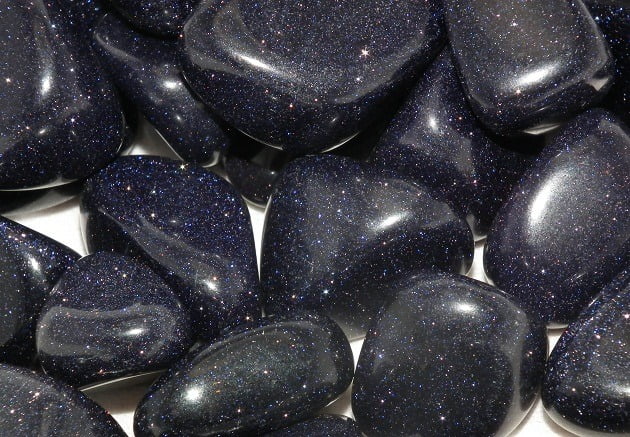
Sunsitara gold stone, better known around the world as Goldstone, is a dazzling, glittering stone that sparkles as though filled with tiny stars. Also called Stellaria or Aventurine glass, this striking material is prized for its shimmering copper flecks and its warm, energising symbolism of ambition, vitality, and success. It’s important to know upfront that Goldstone is a man-made stone — a specially crafted glass rather than a natural mineral — yet it remains hugely popular in jewellery and crystal work for its beauty and uplifting energy. In this guide we explore the meaning, history, and benefits of Sunsitara, a stone that pairs wonderfully with the broader wisdom of Vedic astrology.
What Is Sunsitara Gold Stone (Goldstone)?
Sunsitara gold stone, or Goldstone, is a type of glittering glass created in an oxygen-reducing atmosphere, which allows tiny metallic copper crystals to form and suspend within it — giving the stone its signature sparkle. The most familiar variety is a rich reddish-brown, though a beautiful blue Goldstone also exists. Because it is manufactured rather than mined, Goldstone is valued as a decorative and metaphysical stone rather than a natural astrological gem.
The History of Sunsitara Gold Stone
Goldstone carries a charming, almost magical history. It was first created in 17th-century Italy, traditionally credited to the Miotti family of glassmakers. Several romantic origin stories surround it: some say an Italian monk accidentally spilled copper filings into molten glass at his monastery, others that alchemists created it while trying to transmute base metals into gold. Whichever tale is true, the result was this beautiful “accidental” stone — which is why Goldstone is sometimes called the stone of the alchemists.
Sunsitara Gold Stone Gemstone Meaning
The meaning of Sunsitara centres on ambition, energy, and drive. Its glittering copper is said to symbolise the light of determination that helps a person push through obstacles toward their goals. The two colour varieties carry slightly different meanings:
| Variety | Meaning |
|---|---|
| Red Goldstone | Ambition, drive, success, and vitality |
| Blue Goldstone | Learning, communication, growth, and abundance |
Both are considered “transmitter stones” that help carry positive energy and healing intentions.
Healing Properties and Benefits of Sunsitara Gold Stone
Sunsitara is cherished for its uplifting, motivating energy. Its most valued benefits include building self-confidence and a positive attitude, stabilising the mood, and encouraging faith, ambition, and self-expression. On a spiritual level it is said to activate the root and sacral chakras, grounding the wearer while sparking creativity and drive. In traditional crystal-healing lore it is also associated with generating positive energy and easing tension — though any physical-wellness associations are traditional beliefs, not medical facts, and Goldstone is not a substitute for professional care. What most people love it for is its motivating, can-do energy. To discover which stones truly suit your birth chart, a personalised Vedic gemstone recommendation is the best guide.
Sunsitara Properties at a Glance
| Property | Detail |
|---|---|
| Also known as | Goldstone, Stellaria, Aventurine glass |
| Type | Man-made glittering glass with copper crystals |
| Colours | Reddish-brown (red) and deep blue |
| Chakras | Root and Sacral |
| Energy | Ambition, vitality, positivity |
| Origin | First made in 17th-century Italy |
Because Goldstone strengthens confidence and drive, it’s a popular choice for anyone chasing a goal or wanting a daily boost of optimism. For those interested in genuine solar-energy gems, our guides on the natural Sunstone gemstone and its healing properties make a great companion read.
Explore More at AstroKapoor
Frequently Asked Questions
What is Sunsitara gold stone or Goldstone?
Sunsitara gold stone, commonly known as Goldstone, is a glittering man-made stone created from glass in an oxygen-reducing atmosphere, which forms tiny copper crystals that give it its sparkle. Also called Stellaria or Aventurine glass, it is a decorative and metaphysical stone rather than a natural mineral, valued for its beauty and energising symbolism.
Is Sunsitara gold stone (Goldstone) a natural gemstone?
No, sunsitara gold stone or Goldstone is not a natural gemstone. It is a man-made glittering glass, first created in 17th-century Italy, containing suspended copper crystals. It is prized for jewellery and crystal work for its sparkle and uplifting energy rather than as a natural astrological gem.
What are the benefits of the Sunsitara gold stone?
Sunsitara gold stone is believed to build self-confidence and a positive attitude, stabilise the mood, and encourage ambition, faith, and self-expression. It is said to activate the root and sacral chakras, ground the wearer, and generate positive, motivating energy, making it popular for anyone pursuing a goal.
What is the difference between red and blue Goldstone?
Red Goldstone symbolises ambition, drive, success, and vitality, while blue Goldstone is associated with learning, communication, growth, and abundance. Both varieties of sunsitara gold stone are considered transmitter stones that help carry positive energy and healing intentions.
What is the history of Sunsitara Goldstone?
Sunsitara gold stone was first created in 17th-century Italy, traditionally credited to the Miotti family of glassmakers. Charming legends describe it being discovered when copper filings accidentally fell into molten glass, or created by alchemists attempting to make gold, which is why it is sometimes called the stone of the alchemists.
