Two sapphires can look similar and yet be worlds apart in value. The “secret” lies in the details — the colour, origin and clarity that quietly shape every sapphire’s worth. Understanding these secrets helps you judge quality like an expert and buy wisely. This guide reveals what truly determines a sapphire’s quality and value.
The First Secret: Colour Is King
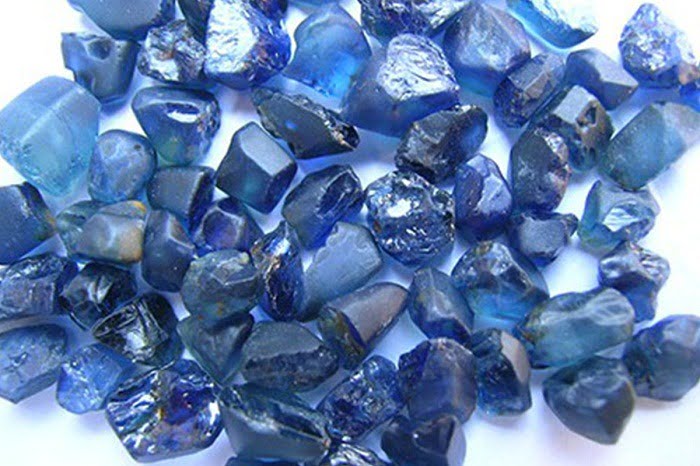
For sapphires, colour is the single biggest factor in quality and price. A rich, vivid, evenly-distributed royal or cornflower blue commands the highest prices, while stones that are too light, too dark or unevenly coloured are worth less. The most prized sapphires have a pure, saturated blue with no dullness or grey undertone.
The Second Secret: Origin Matters
A sapphire’s birthplace leaves a signature in its colour and character — the “secret” traits of its home ground.
Sapphire Origins and Their Character
| Origin | Character |
|---|---|
| Kashmir | The finest — velvety cornflower blue; extremely rare & prized |
| Burma (Mogok) | Deep, rich royal blue |
| Ceylon (Sri Lanka) | Bright, lighter blue; popular and widely available |
| Australia / Thailand | Darker, sometimes greenish-blue tones |
Kashmir sapphires are the most legendary and valuable, followed by fine Burmese stones. Ceylon sapphires rose in fame after Princess Diana’s (now Kate Middleton’s) royal engagement ring.
The Third Secret: Clarity and Inclusions
Here‘s a secret many don’t know: most natural sapphires contain some inclusions — tiny internal marks — and that’s completely normal. Unlike diamonds, sapphires are rarely flawless, and a few inclusions don’t reduce value much as long as the stone is clean to the eye. In fact, certain silk-like inclusions can even confirm a stone’s natural origin.
The Fourth Secret: Cut and Treatment
A good cut brings out a sapphire’s colour and brilliance, so a well-proportioned stone looks far richer. Also important: many sapphires are heat-treated to improve colour — this is common and accepted, but a natural, untreated sapphire is rarer and more valuable, so treatment should always be disclosed.
Putting the Secrets Together
When judging a sapphire, weigh all four secrets: a vivid even blue, a desirable origin, eye-clean clarity, and a good cut — ideally natural and certified. A stone that scores well on all four is a true treasure and holds its value beautifully.
Explore More at AstroKapoor
Explore the full range in our types of sapphires guide, learn about the astrology of blue sapphire (Neelam), and read our tips for buying gemstones online.
Frequently Asked Questions
What determines the quality of a sapphire?
A sapphire’s quality is determined mainly by its colour, origin, clarity and cut. A vivid, evenly-saturated blue is most valued, along with a prized origin such as Kashmir or Burma, eye-clean clarity, and a good cut. Natural, untreated and certified stones are the most valuable.
Which sapphire origin is the most valuable?
Kashmir sapphires are the most valuable and legendary, prized for their velvety cornflower-blue colour and extreme rarity. Fine Burmese (Mogok) sapphires are next, while Ceylon (Sri Lankan) sapphires are bright, popular and more widely available.
Do sapphires have inclusions?
Yes. Most natural sapphires contain some inclusions, which is completely normal — unlike diamonds, sapphires are rarely flawless. A few inclusions don’t greatly reduce value as long as the stone is clean to the eye, and certain inclusions can even confirm a natural origin.
Is sapphire colour more important than clarity?
Yes. For sapphires, colour is the single biggest factor in value — a rich, even, vivid blue matters more than perfect clarity. Since most sapphires naturally have inclusions, an eye-clean stone with excellent colour is prized above a flawless but pale one.
Are treated sapphires less valuable?
Yes. Many sapphires are heat-treated to improve colour, which is common and accepted, but a natural, untreated sapphire is rarer and more valuable. Treatment should always be disclosed, and a certificate helps confirm whether a stone is natural or treated.
