
Watermelon Tourmaline Information
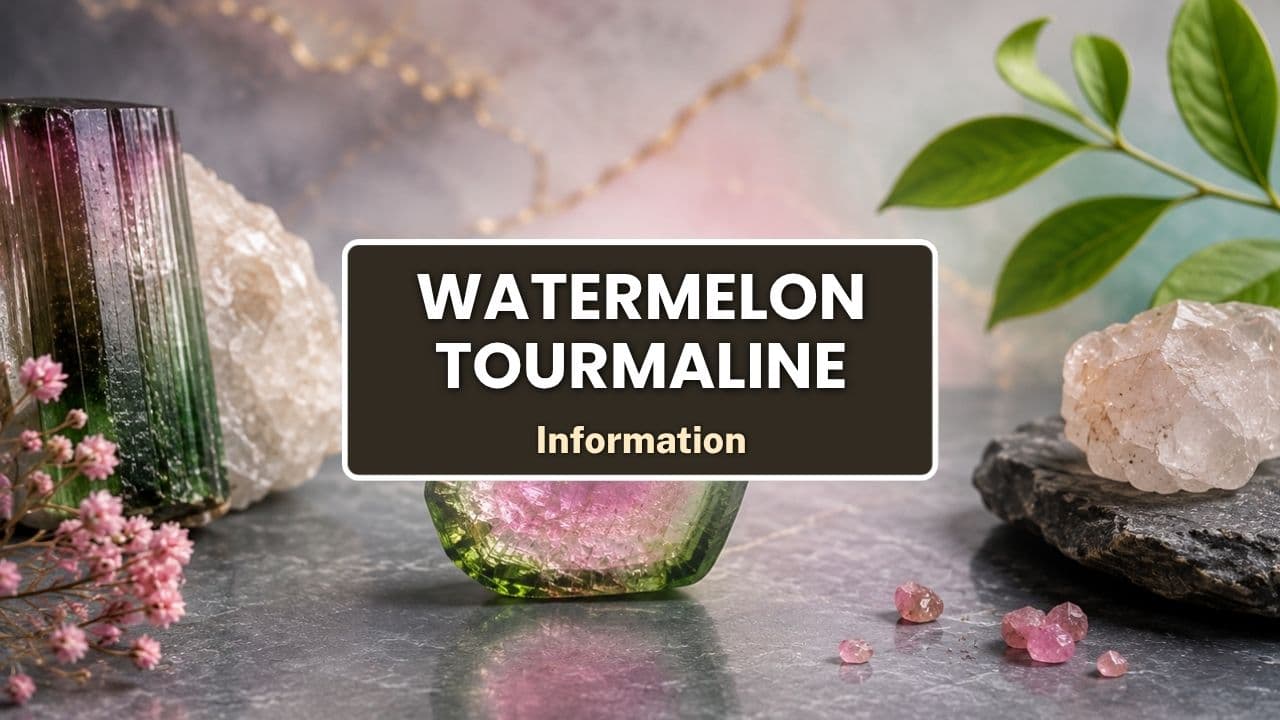


Watermelon tourmaline is a rare pink-green heart-chakra crystal — the stone of love & soulmate relationships. Learn its meaning, benefits, healing properties & uses.
Watermelon Tourmaline is one of the most beautiful and beloved crystals — a rare, naturally bi-coloured stone with a pink centre and green outer rim, looking just like a slice of watermelon. Prized as the stone of the heart, love and soulmate relationships, it balances opposites and brings gentle, uplifting energy to everyone who wears it. This guide explains what watermelon tourmaline is, its meaning, benefits, healing properties and uses.
What Is Watermelon Tourmaline?
Watermelon tourmaline is a natural variety of tourmaline that displays two or more colours in a single crystal — most often pink and green (sometimes with blue), arranged like the flesh and rind of a watermelon. This striking colour combination forms naturally as the crystal grows, making each stone unique.
The Meaning of Watermelon Tourmaline
Watermelon tourmaline represents the union of opposites — the yin and yang. It is best known as a "stone of soulmate relationships," believed to attract love, deepen bonds, and help those searching for a meaningful connection. It gently balances masculine and feminine energies, encouraging harmony, understanding and open-heartedness.
Chakra Associations
Watermelon tourmaline works beautifully with the heart chakra, and its colours align with specific energy centres:
Benefits & Healing Properties
In crystal-healing tradition, watermelon tourmaline is valued to:
- Attract and nurture love and soulmate connections
- Heal the heart and release emotional pain
- Balance male & female energies and bring inner harmony
- Boost confidence and inspiration and dispel fear
- Encourage openness, flexibility and understanding — of yourself and others
- Remove energy blockages and restore positive flow
(Note: these are traditional crystal-healing beliefs, not medical facts. This stone is not a treatment for any condition — for health concerns, please consult a qualified doctor.)
Source & Availability
Watermelon tourmaline is found in several regions worldwide, including Brazil, Sri Lanka, Africa, the USA, Western Australia, Afghanistan and Italy. Because the natural bi-colour banding is uncommon, fine specimens are treasured by collectors and crystal lovers alike.
How to Use Watermelon Tourmaline
Wear it as a pendant, ring, necklace or earrings to keep its loving energy close to the heart, or hold it during meditation to open and balance the heart chakra. It's a wonderful stone to carry when seeking love, healing a relationship, or simply inviting more harmony into life. Cleanse it periodically to keep its energy fresh.
Buy Certified Watermelon Tourmaline
Every watermelon tourmaline at AstroKapoor is natural and certified. Buy Watermelon Tourmaline Online or browse our Gems & Gemstones collection.
Frequently Asked Questions
What is watermelon tourmaline?
Watermelon tourmaline is a rare, naturally bi-coloured variety of tourmaline with a pink centre and green rim, resembling a slice of watermelon. It is a heart-chakra crystal known as the stone of love and soulmate relationships.
What are the benefits of watermelon tourmaline?
It is believed to attract and nurture love, heal the heart, balance masculine and feminine energies, boost confidence, dispel fear, and encourage openness and understanding.
Which chakra is watermelon tourmaline linked to?
Watermelon tourmaline is primarily linked to the heart chakra (its green and pink colours), while its blue tones connect to the throat chakra for truthful, compassionate communication.
Is watermelon tourmaline a good stone for love?
Yes. Watermelon tourmaline is known as a stone of soulmate relationships, believed to attract love, deepen bonds and support emotional healing, making it a popular crystal for love and relationships.
Where is watermelon tourmaline found?
Watermelon tourmaline is found in Brazil, Sri Lanka, Africa, the USA, Western Australia, Afghanistan and Italy. Its natural bi-colour banding is uncommon, so fine specimens are especially prized.

Comments (0)
Sign in to join the conversation.
Login to comment