
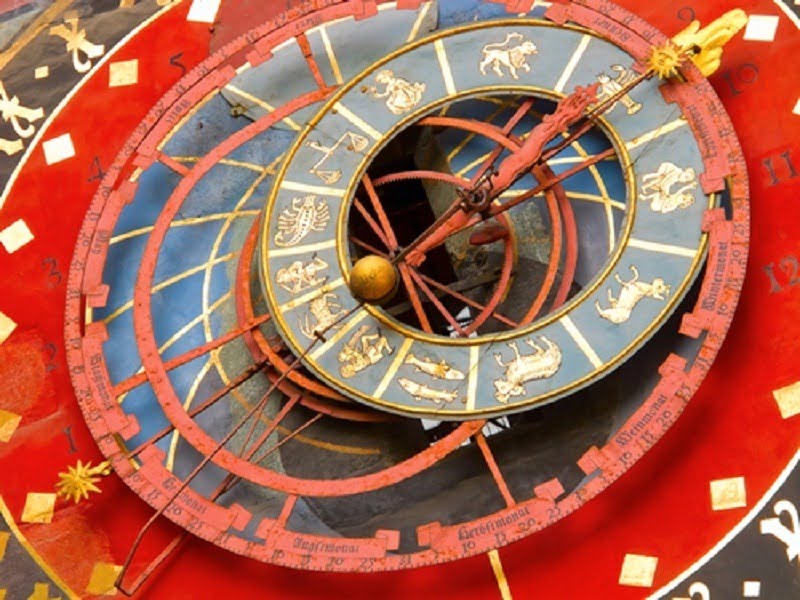
What Does Astrology Mean?
At its heart, astrology is the correlation of astronomical positions with terrestrial events. Some describe it as the “science of the stars,” others as the art of understanding a person’s nature and life path through the heavens. The core idea is that the sky at the moment and place of your birth — captured in a birth chart (horoscope) — reflects patterns and tendencies in your life.
How Does Astrology Work?
Astrology works by mapping the exact positions of the planets and signs at a given moment (usually your birth) into a chart, then interpreting how they relate to different areas of life. Each planet carries a certain energy, each sign a certain quality, and each house an area of life. An astrologer reads how these combine to describe personality, strengths, challenges and the timing of events. It is best understood as a traditional interpretive system — a lens for reflection and guidance rather than fixed prediction.
The Main Branches of Astrology
Astrology isn’t one single practice — it has several specialised branches:
| Branch | What It Studies |
|---|---|
| Natal astrology | An individual’s birth chart — personality, life path and destiny |
| Horary (Prashna) | Answering a specific question from the chart of the moment it’s asked |
| Electional (Muhurta) | Choosing an auspicious time to begin something important |
| Mundane (Medini) | Nations, world events and collective trends |
| Medical astrology | Health tendencies (as awareness only — never a medical diagnosis) |
| Financial astrology | Markets, business and money trends |
Astrology Around the World
Astrology developed in many cultures, giving rise to different systems — most notably Vedic astrology (Jyotish) from India and Western astrology. They share the same building blocks (planets, signs, houses) but calculate and emphasise things differently. Learn more in our guide to Vedic astrology.
What Astrology Offers
- Self-understanding — insight into your personality and patterns
- Guidance — perspective on relationships, career and life decisions
- Timing — awareness of favourable and challenging periods
- Reflection & reassurance — a way to approach life with more clarity
(Note: astrology is a traditional interpretive practice for guidance and reflection. It is not a substitute for medical, legal or financial advice — for those, always consult a qualified professional.)
Explore Astrology with AstroKapoor
Curious what your own chart reveals? Book an Astrology Consultation with our experts, or explore focused guidance such as Love & Relationship Astrology.
Frequently Asked Questions
What is astrology?
Astrology is the ancient study of how the positions and movements of celestial bodies — the Sun, Moon, planets and stars — relate to events on Earth and in human life. It uses a birth chart to describe personality, tendencies and timing.
How does astrology work?
Astrology maps the positions of the planets, signs and houses at a given moment (usually your birth) into a chart, which an astrologer interprets. Each planet, sign and house has a meaning, and together they describe personality, strengths, challenges and timing.
What are the branches of astrology?
The main branches include natal astrology (the individual chart), horary (answering a question), electional (choosing auspicious timing), mundane (nations and world events), medical astrology (health tendencies for awareness only), and financial astrology.
What is the difference between Vedic and Western astrology?
Both use planets, signs and houses but calculate differently — Vedic astrology uses the sidereal zodiac and emphasises the Moon, nakshatras and timing, while Western astrology uses the tropical zodiac and focuses more on the Sun sign and psychology.
Is astrology a science?
Astrology is best described as a traditional interpretive system used for guidance and reflection, rather than a modern empirical science. It offers perspective and self-understanding, but is not a substitute for professional medical, legal or financial advice.
