
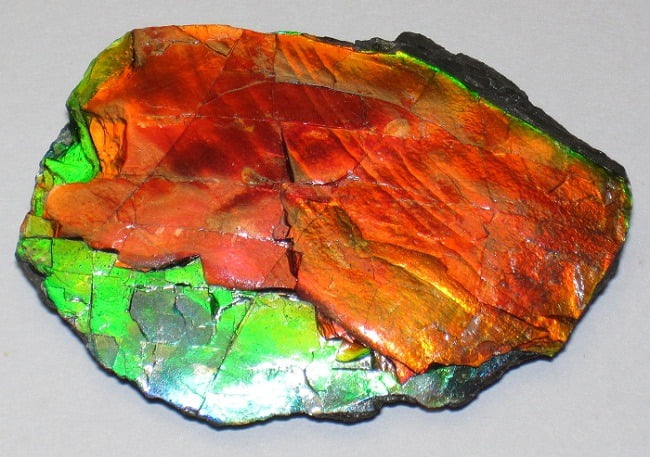
What Does a Gemologist Do?
A gemologist is a trained expert in gemstones. Their work includes:
- Identifying gemstones and telling natural, treated and synthetic stones apart
- Grading a gem’s quality using standard criteria
- Valuing stones based on their quality and rarity
- Detecting treatments and imitations
- Certifying authenticity through gem-lab reports
Gemologists use specialised tools — such as a microscope, loupe, refractometer, spectroscope and UV light — to examine a stone’s internal features and optical properties.
How Are Gemstones Graded?
Gemstones are assessed on several key qualities, often summarised as the “4 Cs” (especially for diamonds), plus other factors:
| Factor | What It Measures |
|---|---|
| Colour | Hue, tone and saturation — usually the most important |
| Clarity | Freedom from inclusions and flaws |
| Cut | How well the stone is shaped and proportioned |
| Carat | The weight of the stone |
| Origin & Treatment | Where it came from and whether it’s natural/untreated |
Together these determine a gem’s beauty, quality and value.
The Relationship Between Gems and Planets
In Vedic astrology, gemology takes on a deeper meaning: each gemstone is believed to carry the energy of a specific planet and to transmit its colour ray to the wearer. The classic mapping:
| Planet | Gemstone |
|---|---|
| Sun (Surya) | Ruby (Manik) |
| Moon (Chandra) | Pearl (Moti) |
| Mars (Mangal) | Red Coral (Moonga) |
| Mercury (Budh) | Emerald (Panna) |
| Jupiter (Guru) | Yellow Sapphire (Pukhraj) |
| Venus (Shukra) | Diamond (Heera) |
| Saturn (Shani) | Blue Sapphire (Neelam) |
| Rahu | Hessonite (Gomed) |
| Ketu | Cat’s Eye (Lehsunia) |
Effects of Wearing Gemstones
Astrologically, wearing the right gemstone is believed to strengthen a beneficial planet and bring balance, confidence and good fortune. Some traditions even hold folklore that a stone reacts to the wearer’s wellbeing. (These are traditional astrological beliefs. Gemstones are not a medical treatment and cannot cure disease — for any health concern, please consult a qualified doctor.)
Get Expert Gemstone Guidance
Choosing the right gem means combining gemological quality with astrological suitability. Get a Vedic Gemstone Recommendation from our experts, or Buy Certified Gemstones Online.
Frequently Asked Questions
What is gemology?
Gemology is the science of studying natural and artificial gemstones — a branch of geoscience that covers how gems form and how they are identified, graded and valued. In Vedic tradition it also links each gemstone to a planet.
What does a gemologist do?
A gemologist identifies gemstones, tells natural, treated and synthetic stones apart, grades their quality, values them, detects treatments and imitations, and certifies authenticity using tools like a microscope, loupe, refractometer and spectroscope.
How are gemstones graded?
Gemstones are graded mainly on colour, clarity, cut and carat weight (the “4 Cs”), along with origin and treatment. Together these determine a gem’s beauty, quality and value.
How are gems related to planets?
In Vedic astrology, each gemstone is linked to a planet — for example Ruby to the Sun, Pearl to the Moon, Yellow Sapphire to Jupiter and Blue Sapphire to Saturn — and is believed to carry that planet’s energy to the wearer.
Can gemstones cure diseases?
No. Gemstones are not a medical treatment and cannot cure disease. In astrology they are worn for balance and to strengthen a planet, but for any health concern you should always consult a qualified doctor.
