
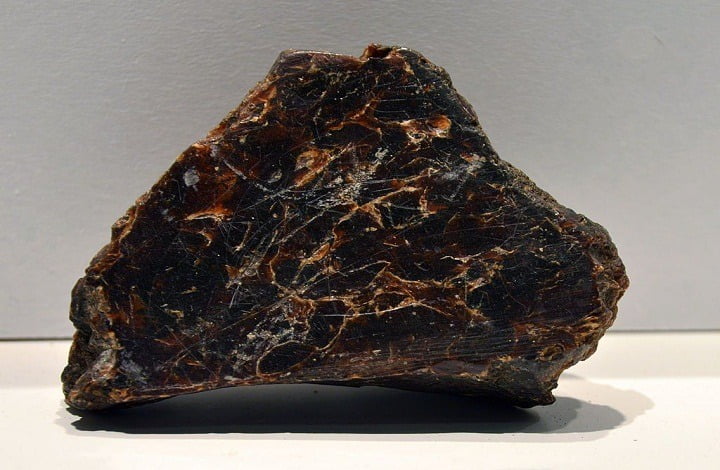
Whewellite – Value, Properties, Sources & Care
Whewellite is a very rare mineral, treasured mainly by gem and mineral collectors for its scarcity and delicate crystal beauty. A calcium-oxalate mineral of partly organic origin, it is rarely faceted into gemstones because of its softness — instead, it is prized as a fascinating collector’s curiosity and a subject of scientific interest. This guide explains whewellite’s value, properties, sources, sizes and how to care for it.
What is Whewellite?
Whewellite is a rare mineral composed of calcium oxalate, notable for forming in unusual environments such as carbonate-sulphide veins and coal seams. Its partly organic origin makes it especially interesting to mineralogists. It is typically colourless to pale, with a delicate, glassy appearance.
Whewellite Value
Whewellite’s value comes almost entirely from its rarity. It is desired “as a matter of curiosity” because genuine, well-formed specimens are so scarce. Rather than being valued as a mainstream jewellery gem, it commands interest among serious mineral and gem collectors who seek unusual and hard-to-find species.
Properties of Whewellite
- Composition: Calcium oxalate (partly organic origin)
- Hardness: Very low — much softer than typical gemstones
- Cleavage: Variable, in three directions
- Colour: Usually colourless to pale
- Transparency: Transparent to translucent
Because of its low hardness and variable cleavage, whewellite is difficult to cut and wear, which is why it is rarely used in jewellery and mostly kept as a display specimen.
Enhancements
Whewellite is generally not enhanced or treated — collectors value it in its natural state, precisely because its appeal lies in being a rare, authentic mineral specimen.
Sources
Whewellite is found in a limited number of localities worldwide, forming in coal seams and carbonate-sulphide mineral veins. Its restricted occurrence is a key reason for its rarity and collector appeal.
Stone Sizes
Because it is so rarely faceted, whewellite is usually available as small crystals or specimens rather than large cut stones. Larger, well-formed pieces are especially prized in collections.
How to Care for Whewellite
Whewellite is delicate and needs gentle care:
- Avoid acid-based cleaners — they can damage the mineral.
- Clean gently — use warm water with a mild detergent and a soft brush.
- Handle carefully — its softness and cleavage make it prone to scratches and breakage.
- Store separately — keep it away from harder stones and in a protected place.
(Safety note: as with many mineral specimens, avoid inhaling any dust when handling or cutting whewellite, and wash your hands after handling. This is general mineral-handling safety, not medical advice.)
Explore Gemstones at AstroKapoor
Looking for an astrological gemstone instead? Get a Vedic Gemstone Recommendation to find the right stone for your chart, or browse our full gemstone collection.
Frequently Asked Questions
What is whewellite?
Whewellite is a very rare mineral composed of calcium oxalate, forming in unusual settings like coal seams and carbonate-sulphide veins. It is prized mainly by collectors for its rarity rather than as a jewellery gemstone.
Is whewellite valuable?
Whewellite’s value comes chiefly from its rarity. It is sought after by mineral and gem collectors as a scarce curiosity, rather than being a mainstream, high-value jewellery gem.
Can whewellite be used in jewellery?
Rarely. Whewellite is very soft with variable cleavage, making it difficult to cut and wear, so it is mostly kept as a collector’s display specimen rather than set in jewellery.
How do I care for whewellite?
Avoid acid-based cleaners, clean gently with warm water, a mild detergent and a soft brush, handle it carefully due to its softness, and store it separately from harder stones.
Why is whewellite rare?
Whewellite forms only in a limited number of localities and unusual geological settings, such as coal seams and carbonate-sulphide veins, which makes genuine, well-formed specimens scarce and collectible.
