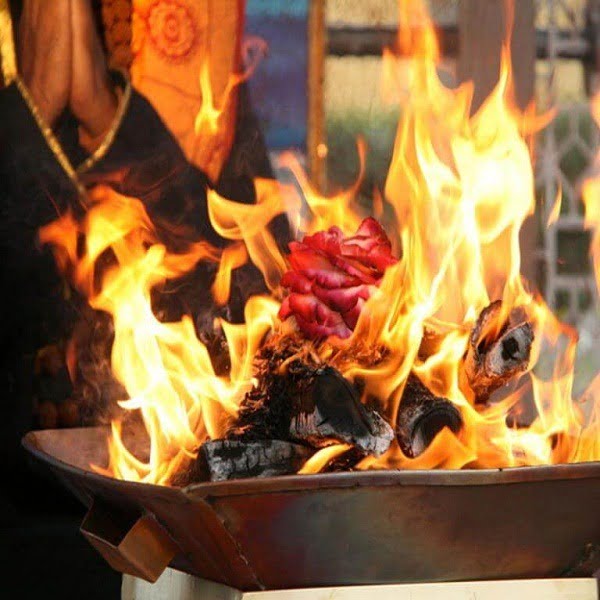
Pooja and homan are two of the most cherished forms of worship in Hindu tradition. A pooja is an act of reverence to the divine through invocation, prayer, offerings and ritual, while a homan (or homam) is a sacred fire ceremony in which offerings are made to Agni, the fire god, on behalf of a chosen deity. Performed with faith and discipline, these rituals are believed to purify the mind and surroundings, attract blessings, and create a powerful sense of connection between the worshipper and the divine.
What Is Pooja?
Pooja is the act of showing devotion to a god, a spirit or another aspect of the divine through prayers, chants, songs and offerings. Historically, it developed as a more inclusive form of worship than the older Vedic sacrifices, becoming accessible to people of all backgrounds. At its heart, pooja is about establishing a personal, heartfelt link with the divine — often through a sacred image, a flame, water, flowers or other natural elements — and offering one’s reverence with a focused, sincere mind.
What Is a Homan?
A homan is a specialised fire ritual dedicated to a particular deity, in which mantras are chanted and offerings are placed into a consecrated fire. Fire, or Agni, acts as the divine messenger, carrying every offering and prayer to the deity being invoked. Because homans follow precise scriptural procedures, they are traditionally performed by trained Vedic priests. In this sense a homan is closely related to the larger yagya — both use the sacred fire as the medium of worship, and both can form part of a formal anushthan or jaap.
Benefits of Pooja and Homan
Devotees turn to pooja and homan for a wide range of spiritual and practical reasons. Their traditional benefits include:
- Discipline and focus for the mind, through regular, intentional worship.
- Purification of the home, workplace and inner self.
- A two-way flow of energy — the worshipper offers devotion and receives blessings in return.
- Peace and positivity, described in the tradition as a state of “holy bliss.”
- Support for new beginnings, protection and the removal of obstacles.
Beyond any specific outcome, these rituals are valued for the calm, uplifted state of mind they leave behind.
When Should You Perform Pooja and Homan?
Certain moments in life are considered especially suited to these ceremonies. They are commonly performed when moving into a new home or office, during renovations or a griha pravesh, at the start of a new venture, to overcome a period of losses or obstacles, or to clear the negative energy of a place after difficulties. Deity-specific rituals suit specific aims — a Ganesha pooja to remove hurdles at the start of something new, or a Manmohini or Jupiter yagya for harmony and growth. The most auspicious timing and the right ritual for your goal are best chosen with astrological guidance based on your chart.
Frequently Asked Questions
What is the difference between pooja and homan?
A pooja is worship through prayers, chanting and offerings to a deity, while a homan is a sacred fire ritual in which offerings are made into a consecrated fire. A homan often forms part of a larger pooja or yagya.
What are the benefits of pooja and homan?
They are believed to discipline the mind, purify the home and self, attract blessings, bring peace and positivity, and support new beginnings while removing obstacles.
Who can perform a homan?
Because a homan follows precise scriptural procedures and invokes Agni, it is traditionally performed by trained Vedic priests, though family members participate in the worship.
When should pooja and homan be performed?
They are commonly performed when moving into a new home or office, starting a new venture, during renovations, or to clear negativity and overcome a difficult period.
How do I choose the right pooja for my goal?
Different deities and rituals suit different aims — for example, a Ganesha pooja to remove obstacles. The right ritual and auspicious timing are best chosen with astrological guidance based on your horoscope.
