
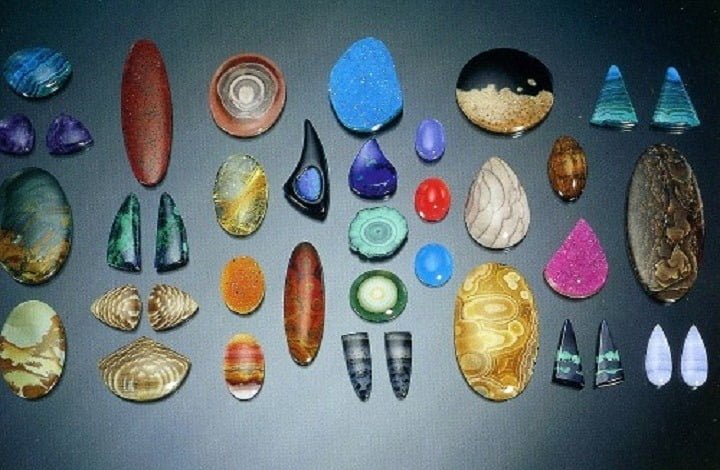
The power of upratna lies in making planetary gemstone therapy accessible to everyone. Not everyone can wear or afford a natural ruby, emerald or blue sapphire, and in some cases a primary stone is simply too strong for a person’s chart. This is where upratnas — the semi-precious substitute gemstones — become invaluable. Each upratna is linked to the same planet as a primary gemstone but works more gently. Our broader page on upratnas and semi-precious gemstones lists them in detail; here we focus on their power and when to choose them.
What Is an Upratna?
In Vedic astrology, every planet has one primary gemstone and one or more secondary stones known as upratna. The prefix “up” means secondary or supporting. An upratna shares the planetary association of the main stone — part of the wider system of the nine gemstones and their planets — but is usually less rare, less expensive and gentler in effect. This makes upratnas ideal for those who want to test the influence of a stone, cannot afford the primary gem, or need a softer version of a planet’s energy.
The Upratnas and Their Planets
Each primary gemstone has one or more substitute stones:
| Planet | Primary Stone | Common Upratna |
|---|---|---|
| Sun | Ruby | Red Garnet, Red Spinel |
| Moon | Pearl | Moonstone |
| Mars | Red Coral | Carnelian |
| Mercury | Emerald | Peridot, Green Onyx, Aquamarine |
| Jupiter | Yellow Sapphire | Yellow Topaz, Citrine |
| Venus | Diamond | White Sapphire, White Zircon, Opal |
| Saturn | Blue Sapphire | Amethyst, Blue Spinel |
| Rahu | Hessonite | Golden Garnet |
| Ketu | Cat’s Eye | — (various substitutes) |
Because they are gentler, upratnas are often recommended as a first step before moving to a stronger primary gemstone.
The Power and Benefits of Upratnas
The main strength of upratnas is that they deliver the benefits of planetary gemstone therapy in a safer, more accessible form. Their advantages include affordability compared with precious stones, a gentler effect that suits sensitive charts, an easy way to test a stone’s influence before investing in the primary gem, and the same planetary alignment as the main stone. For many people, an upratna provides a practical and effective remedy without the cost or intensity of a full precious gemstone.
When Should You Choose an Upratna?
An upratna is a sensible choice in several situations: when the primary gemstone is beyond your budget; when an astrologer feels the main stone is too powerful for your chart; when you want to try a stone’s effect gradually; or when the planet needs only mild support. As with all gemstones, the choice must be based on your horoscope and your ascendant — our guide to gemstones for various ascendants explains why. An astrologer will confirm the right stone, its weight, metal and wearing instructions; a proper gemstone recommendation removes the guesswork. To understand how the primary stones themselves work, see our guide to the power of gemstones.
Frequently Asked Questions
What is the power of upratna?
Upratnas are semi-precious substitute gemstones linked to the same planets as the primary stones. Their power lies in offering the benefits of planetary gemstone therapy in a gentler, more affordable form.
Are upratnas as effective as primary gemstones?
Upratnas work more gently than primary gemstones. They are effective for mild planetary support and for testing a stone’s influence, though a primary gemstone gives a stronger effect when a chart truly needs it.
Which upratna can I wear instead of ruby?
Red garnet and red spinel are common upratnas for the Sun, worn as gentler substitutes for ruby. The right choice still depends on your birth chart.
Why choose an upratna over a precious stone?
Upratnas are more affordable, gentler on sensitive charts, and let you test a planet’s influence before investing in a costly primary gemstone.
Do upratnas need to be chosen by a horoscope?
Yes. Like all astrological gemstones, an upratna should match your birth chart. Wearing one for a malefic or wrongly placed planet can create imbalance, so an astrologer should confirm the stone.
