
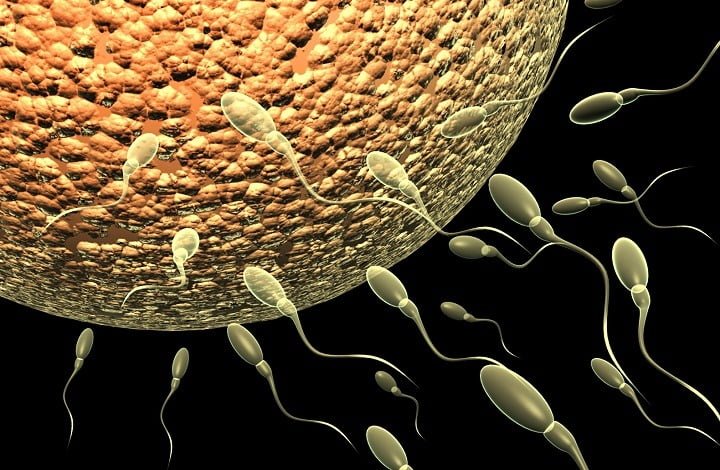
Infertility can broadly involve male infertility, female infertility or factors affecting both partners. Male infertility may be related to sperm production, sperm count, sperm motility, morphology, erectile or ejaculatory problems, hormonal conditions or obstruction in the reproductive tract.
Important areas evaluated in male fertility include:
- Semen volume
- Sperm count
- Sperm motility and morphology
- Azoospermia or nil sperm count
- Oligospermia or low sperm count
- Erectile and ejaculatory function
- Obstruction of the reproductive tract
A semen analysis is one of the main tests used to evaluate male fertility. Men with abnormal semen parameters may require further evaluation by a male reproductive specialist.
What Is Nil Sperm Count or Azoospermia?
Nil sperm count, medically known as azoospermia, means no measurable sperm are found in the ejaculate. It is different from oligospermia, where sperm are present but the concentration is low.
Azoospermia may result from impaired sperm production, hormonal problems or an obstruction preventing sperm from reaching the semen. For this reason, proper diagnosis is important before selecting any treatment.
Causes of Male Infertility
There are several possible causes of male infertility. Modern medical factors may include hormonal disorders, varicocele, genetic conditions, infection, reproductive-tract obstruction, certain medicines, previous surgery, chemotherapy or other testicular problems.
Lifestyle and environmental factors may also influence reproductive health. Smoking, recreational drugs, excessive alcohol, obesity, excessive heat exposure and some workplace chemicals may affect fertility in certain individuals.
Stress, anxiety and relationship difficulties can also influence sexual wellbeing, although they should not automatically be assumed to be the direct cause of azoospermia.
Ayurveda traditionally describes reproductive health through concepts relating to Shukra Dhatu, overall vitality, diet, lifestyle and balance within the body.
Ayurvedic Approach to Nil Sperm Count
Traditional Ayurvedic treatment for male infertility may include dietary changes, lifestyle modification, selected herbs and therapies intended to support overall reproductive wellbeing.
Common Ayurvedic herbs traditionally associated with male vitality include:
- Ashwagandha
- Safed Musli
- Shatavari
- Gokshura
- Amla
- Pippali
- Bala
- Kapikacchu
Traditional formulations such as Musli Pak and other practitioner-selected preparations may also be used within Ayurveda.
These herbs should not be assumed to restore sperm production in every case of azoospermia. Their usefulness depends on the underlying condition, and some Ayurvedic preparations may interact with medicines or contain potentially harmful contaminants. Professional supervision is therefore important.
Panchakarma and Reproductive Wellness
Ayurveda may also include Panchakarma-related therapies such as Abhyanga, Shirodhara and Nasya as part of a broader wellness programme.
These practices are traditionally used for relaxation, rejuvenation and maintaining balance. Stress reduction may support general health, but Panchakarma should not be considered a proven treatment for correcting every cause of nil sperm count.
Vajikarana and Aphrodisiac Therapies
Ayurveda traditionally includes Vajikarana, a branch concerned with reproductive health, vitality and sexual wellbeing.
Traditional Vajikarana approaches may focus on:
- Supporting reproductive vitality
- Maintaining healthy sexual function
- Diet and lifestyle management
- Practitioner-selected herbs and formulations
The choice of treatment should depend on the individual’s overall health and fertility diagnosis rather than following the same remedy for every person.
Diet and Lifestyle for Male Fertility
A balanced lifestyle can contribute to overall reproductive health. Men concerned about sperm count may benefit from eating a nutritious diet, maintaining a healthy weight, exercising regularly and getting adequate sleep.
Foods such as nuts, seeds, fruits, vegetables and other nutrient-rich whole foods can form part of a balanced diet. Avoiding smoking and recreational drugs and limiting excessive alcohol may also help protect reproductive health.
Men exposed to excessive heat or occupational chemicals should discuss these factors with their healthcare professional when undergoing fertility evaluation.
Medical Treatment for Nil Sperm Count
It is important to identify whether azoospermia is obstructive or non-obstructive. In obstructive azoospermia, sperm may be produced normally but prevented from entering the semen because of a blockage.
Non-obstructive azoospermia generally involves impaired sperm production. Hormonal and genetic testing may sometimes be required to identify the cause.
Conventional treatment options can include correction of certain hormonal problems, microsurgical reconstruction of selected obstructions or surgical sperm retrieval followed by assisted reproduction. Therefore, treatment should always be based on the individual diagnosis.
Ayurveda and Medical Astrology at AstroKapoor
AstroKapoor also provides traditional Medical Astrology guidance for individuals experiencing fertility-related concerns. Astrological analysis may study horoscope factors traditionally associated with health, progeny and planetary influences.
You can consult Mr. Prashant Kapoor for AstroKapoor’s traditional astrology-based guidance.
Medical astrology cannot diagnose azoospermia and should not replace semen analysis or evaluation by a qualified fertility specialist. People who wish to use Ayurveda or astrology can consider these approaches alongside appropriate medical care.
Get a solution for Ayurvedic Treatment of Nil Sperm Count and explore AstroKapoor’s traditional complementary guidance.
FAQs About Ayurvedic Treatment for Nil Sperm Count
1. What does nil sperm count mean?
Nil sperm count generally refers to azoospermia, a condition in which no measurable sperm are found in the ejaculate.
2. Is nil sperm count the same as low sperm count?
No. Nil sperm count is azoospermia, while low sperm count is known as oligospermia.
3. Can Ayurveda help with nil sperm count?
Ayurveda may be used as complementary support for reproductive wellness, but it cannot be guaranteed to correct every case of azoospermia. Treatment depends on the underlying cause.
4. Which Ayurvedic herbs are traditionally used for male fertility?
Ashwagandha, Safed Musli, Gokshura, Shatavari and Kapikacchu are among the herbs traditionally used for male reproductive wellness. They should be taken only under appropriate professional guidance.
5. Which test confirms azoospermia?
Semen analysis is the main test used to identify azoospermia. Further hormone, genetic or imaging tests may be recommended depending on the findings.

2 thoughts on “Ayurvedic Treatment for Nil Sperm Count and Male Infertility”
Abdul latif 31/10/2019 at 11:44 AM
I dont any childern because of low and azooperime
AstroKapoor 04/12/2019 at 6:19 PM
You can avail of our Medical Astrology service for Azoospermia for 100% guaranteed cure.
https://astrokapoor.com/product/azoospermia-treatment-medical-astrology/