
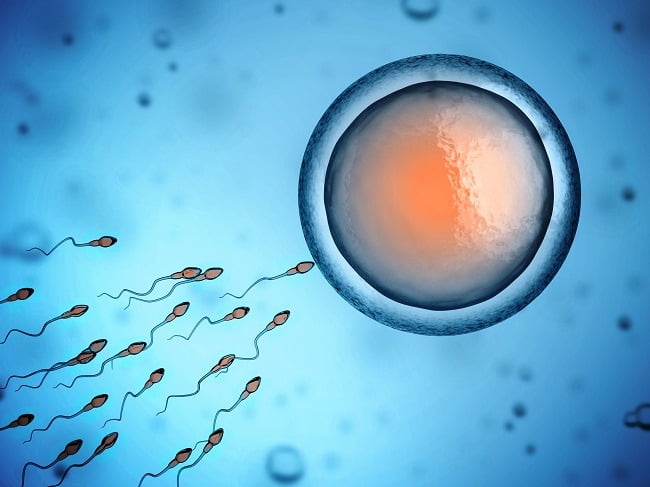
Infertility in a male can be defined as the failure of a man to make a female pregnant. Infertility in a male is alarming aspects which obstruct to carry out proper and healthy offspring. Infertility in a male can be diagnosed by abnormal semen (the fluid containing sperm that is ejaculated during sex). In most of the cases, infertility in a male is caused due to the external factor or reason, but sometimes problems arise due to illness or injury. According to the data till year 2010, it has been found that about 48.5 million couples are suffering from primary and secondary infertility.
Reproduction in male is hormonally driven and it requires a normal functioning hypothalamus and pituitary gland. In men, the luteinizing hormone primarily stimulates testosterone production, while FSH (follicle stimulating hormone) stimulates the production of sperm. The testes should be capable to respond to this hormonal stimulus, and in addition, there must be an intact ductal system to transport sperm to the urethra.
Symptoms of Male Infertility
Male Infertility is difficult to diagnose. Ejaculation occurs in a normal way. This is because the quality of the semen is difficult to analyze with a naked eye.
Male infertility may not always produce obvious physical symptoms. In many cases, difficulty in achieving pregnancy may be the first indication that further fertility evaluation is required. Semen analysis and appropriate medical tests can help identify potential problems affecting sperm production, movement, or quality.
Cause of Male Infertility
Infertility is one of the most prevalent causes for failure of pregnancy now a day. Male fertility is affected by the semen quality and the production of the sperm. Infertility in men should be identified and treated according to the problem.
Several factors can influence male fertility, including reproductive tract conditions, hormonal imbalance, genetic factors, medications, lifestyle habits, environmental exposure, and testicular health. Identifying the underlying cause is an important step toward selecting an appropriate treatment approach.
Diagnosing Male Infertility
Problems concerned with ejaculation or erection.
Reproductive tract infection
Varicocele
Prostatitis
Hormonal imbalance
Cystic fibrosis and Kleinfelter’s syndrome
Problems with sperm production
Medications and drugs
(1) Ejaculation Failure
Ejaculation Failure – Premature ejaculation: Men experience ejaculation problems. It can be due to a variety of causes which include pelvic nerve damage by diabetes mellitus, multiple sclerosis, abdominal-pelvic surgery and spinal injury.
(2) Reproductive Tract Infection
Reproductive tract infection- This can affect both male and female. The main cause of this Infection is sexually transmitted disease (STD) that scar and block the ejaculatory duct.
(3) Varicocele
Varicocele: In this condition, one or both the testicle in male gets affected. Due to this condition, the temperature in the testicle arises which leads to low sperm count.
(4) Prostatitis
Prostatitis: It is due to the inflammation in the prostate gland. The symptoms of prostatitis include pain during or after ejaculation as well as painful urination.
(5) Hormonal Imbalance
Hormonal imbalance: Testosterone and estrogen is the main hormone for reproduction. This occurs when both the hormones are disturbed due to unhealthy thyroid hormone.
Hormonal health plays an important role in sperm production and reproductive function. Medical evaluation can help identify hormonal abnormalities and determine suitable management.
(6) Cystic Fibrosis and Klinefelter’s Syndrome
Cystic fibrosis and Klinefelter’s syndrome: Genetic disorder is inherited by men associated by the family genes. Cystic fibrosis occurs when the pancreas is scarred and a cyst is formed.
Kleinfelter’s syndrome denotes an extra X chromosome in men. Men have a pair of XY chromosome and women with XX chromosome. In this condition, instead of the normal XY chromosome, men are with XXY chromosome. This eventually leads to stunted production of male hormone testosterone that leads to infertility.
(7) Problems with Sperm Production
Problems with sperm (semen) production – semen deficit: Sperm production is the main reasons for infertility in the men. Some reasons for defect in sperm.
(a) Decreased number of sperm – low sperm count or no sperm at all.
(b) Decreased sperm mobility – Decreased sperm mobility leads to failure of sperm to swim to the egg.
(c) Abnormal shape of sperm – Abnormal shape of the sperm leads to failure to move.
Sperm count, motility, and morphology are important parameters commonly assessed during a fertility evaluation. A semen analysis can provide useful information about these factors.
(8) Medications and Drugs
Medications and Drugs: Certain medications can lead to infertility in men.
(a) Sulfasalazine, a medicine used to treat a condition such as Crohn’s disease.
(b) Anabolic steroids, they are used legally to build muscle and improve athletics’ performance.
(c) Chemotherapy – Medicines used in chemotherapy can severely reduce sperm production.
(d) Herbal remedies – Root extract of Tripterygium wilfordii (a Chinese herb) can affect production the normal production of sperm or can also reduce the size of the testicle.
Medication-related fertility effects can vary from person to person. Any medication should be reviewed with a qualified healthcare professional before making changes to its use.
(9) Environment and Lifestyle
Environment and lifestyle: Overall health and lifestyle can affect the number and quality of a male sperm. Some of the reasons which can reduce the quality of the sperm are:
(a) Age
(b) Alcohol.
(c) Drugs.
(d) Smoking cigarettes.
(e) Environmental toxins.
(f) Cancer radiation
Maintaining healthy lifestyle habits and reducing avoidable risk factors may support overall reproductive health. Individual fertility concerns should be assessed according to their specific medical history.
(10) Testicle Damage
Testicle damage: Testicles are responsible to produce and store sperm. It can seriously affect the quality of the sperm when it is damaged. This can occur when a person have or had in the past.
(a) An infection of the testicles.
(b) Testicular cancer.
(c) Testicular surgery.
(d) Congenital defect.
(e) Undescended testicles.
Is Male Infertility Cured or Treatable?
Male infertility can be treated and cured. More than half of the cases of male infertility can be corrected. Treatment can help a couple to get pregnant through normal physical intimacy. First, the cause of infertility should be checked and the treatment should be followed upon.
The appropriate treatment depends on the underlying cause. Medical evaluation may include semen analysis, hormonal testing, physical examination, genetic testing, or other investigations where required. Early diagnosis can help couples understand their available treatment options.
Ayurvedic Treatment for Infertility
Ayurvedic Treatment for Infertility – We at astrokapoor.com have Vipin Kapoor and Medical Astrologer Prashant Kapoor having experience of more than 40 years in the treatment of Infertility In Male
Ayurvedic Treatment of Infertility In Male
Male Infertility
Infertility Treatment In Male By Ayurveda
Frequently Asked Questions
What are the common causes of male infertility?
Male infertility can be associated with problems related to sperm production, sperm movement, hormonal imbalance, reproductive tract infections, varicocele, genetic conditions, testicular damage, medications, lifestyle factors, and environmental exposure.
What are the symptoms of male infertility?
Male infertility often does not cause noticeable symptoms. Many men have normal ejaculation and sexual function despite having abnormalities in sperm count, motility, or morphology. Difficulty in achieving pregnancy may therefore be the first indication.
How is male infertility diagnosed?
Male infertility is commonly evaluated through medical history, physical examination, and semen analysis. Depending on the individual case, doctors may also recommend hormone tests, genetic testing, ultrasound, or other investigations.
Can male infertility be treated?
Yes, many causes of male infertility can be managed or treated. Treatment depends on the underlying problem and may involve medication, lifestyle changes, surgical procedures, assisted reproductive techniques, or other appropriate medical approaches.
Can Ayurveda be used for male infertility?
Ayurveda is traditionally used as a supportive approach for fertility-related concerns. However, male infertility should first be properly evaluated by a qualified medical professional so that any underlying medical or reproductive condition can be identified and appropriately treated.
